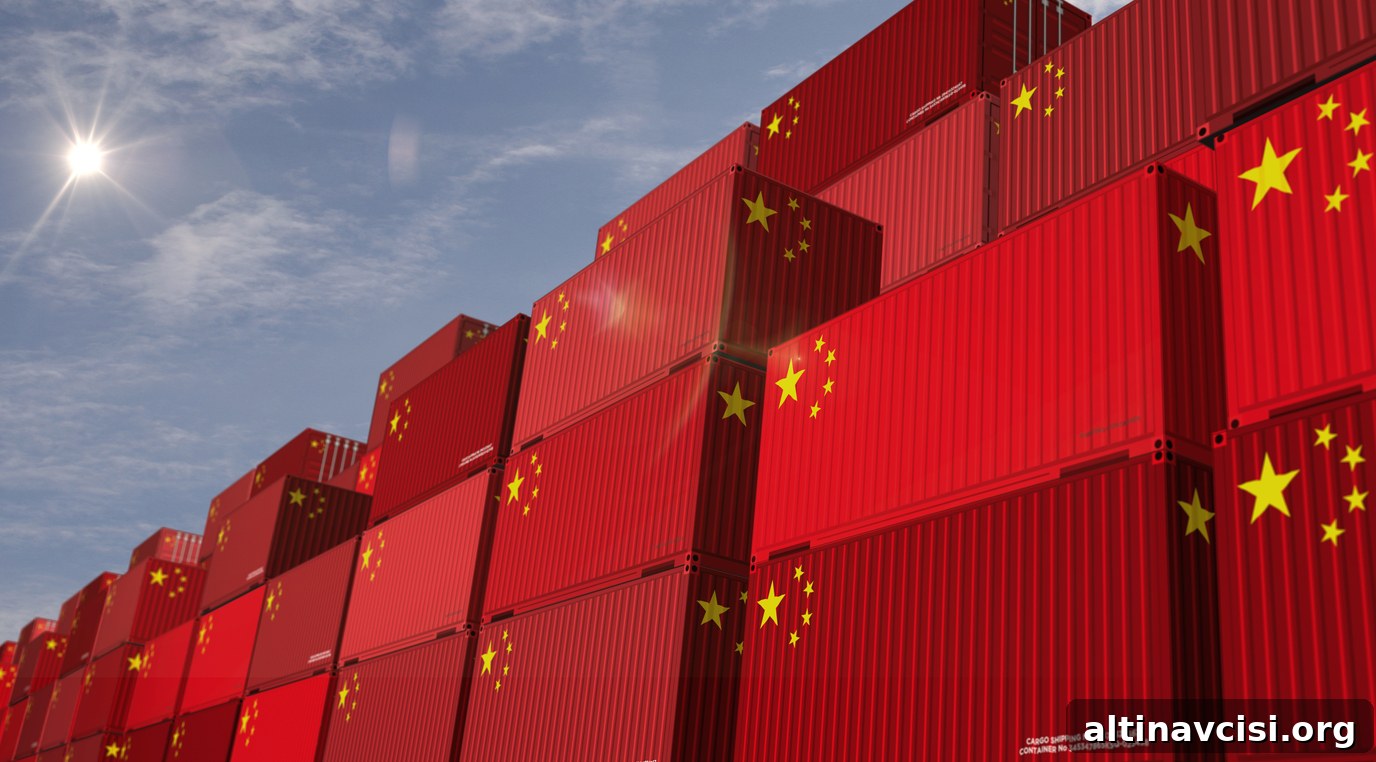
Global antimony supplies are under mounting strain as the United States and European nations work to rebuild munitions stockpiles that were drawn down during support for Ukraine. China’s export restrictions over the past year have dramatically tightened availability, sending prices upward and creating disruptions in a market that supplies materials used in bullet cores, primers and a range of explosives.
The price of antimony has surged nearly fourfold in the last year, reflecting both constrained exports from major producers and rising procurement by governments and defense contractors. Those dynamics have produced a notable supply shortfall: current global production is roughly 80,000 tons per year, while estimated demand is closer to 120,000 tons. The gap highlights the difficulty of rapidly expanding output for a metal that is concentrated in just a few producing countries and requires complex processing.
In response to the tighter market, new projects are emerging outside China and other dominant suppliers. Larvotto Resources, for example, is advancing a rare Western-owned antimony mine in Australia, with plans to begin production next year. Such developments could help diversify supply chains over time, but bringing new mines and processing capacity online typically takes years, and immediate relief to the market is likely to be limited.
Although military uses account for only a portion of global antimony demand, increased defense spending in Europe and other regions could add further pressure. Antimony also has important industrial applications—flame retardants, lead-acid batteries, and semiconductor alloys among them—so civilian demand will compete with any expanded military procurement. That competition makes it harder to prioritize deliveries and manage price volatility during periods of geopolitical tension.
Policy responses and commercial strategies will be central to managing the shortfall. Governments may seek to secure strategic stockpiles or pursue partnerships with alternative producers, while companies might invest in recycling, substitution research or faster development of new mines. Recycling of antimony-bearing materials and improved material-efficiency measures could provide some medium-term relief, but neither is likely to close the current production gap quickly.
For buyers and supply chain managers, the near-term environment is likely to remain challenging. Higher prices and tighter availability will affect procurement planning, inventory management and contract negotiations. Transparency around inventories and longer-term offtake agreements with prospective producers could help reduce some volatility, but the structural mismatch between immediate demand and current output suggests elevated prices and supply risk may persist until additional production capacity is realized.
In sum, antimony’s market is being reshaped by a combination of export restrictions, rising demand tied in part to defence replenishment needs, and the slow pace of new supply development. New projects such as Larvotto’s Australian mine offer hope for diversification, yet the industry faces a period of constrained supply and heightened price sensitivity until global production can more closely match demand.