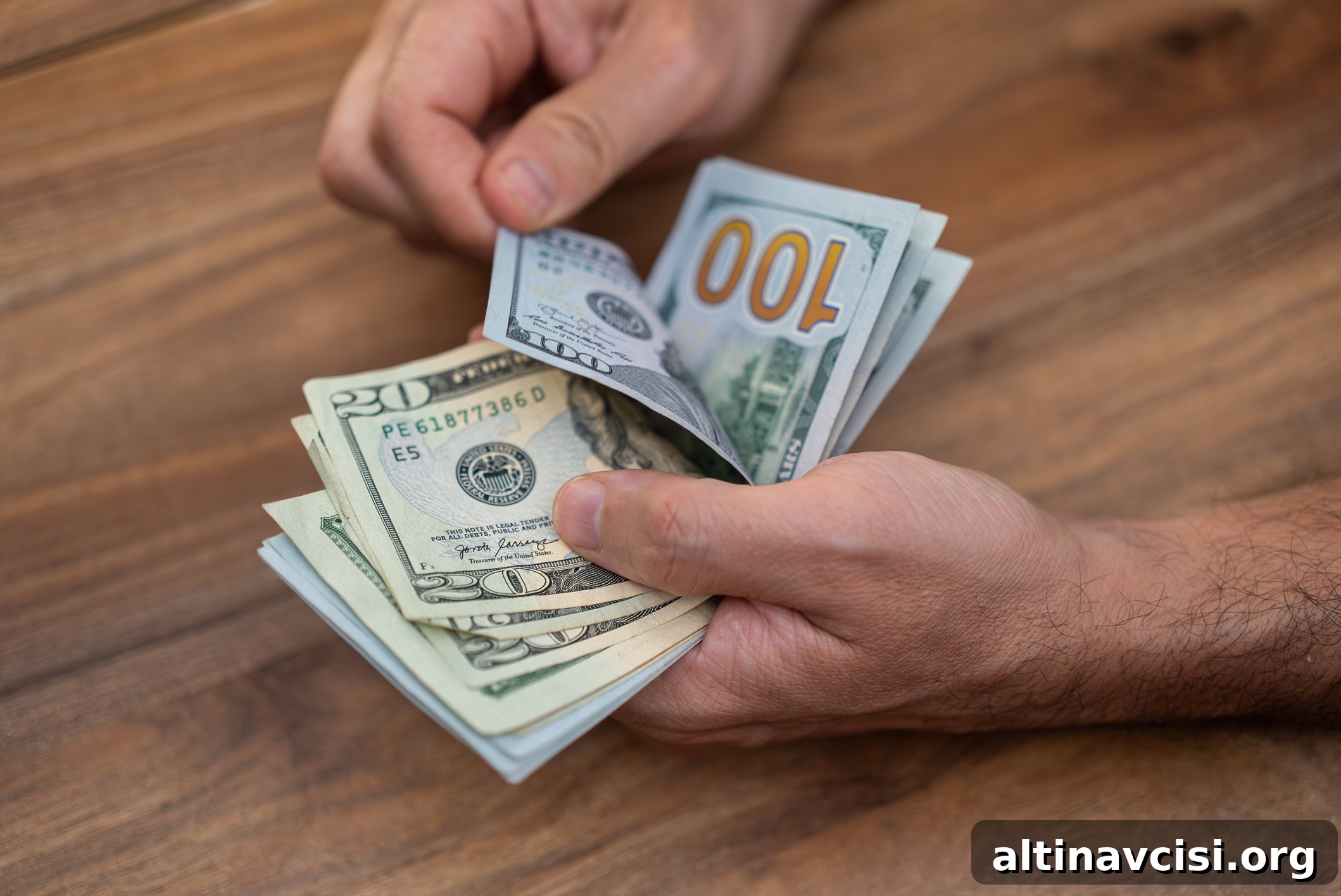
The U.S. dollar strengthened notably on Tuesday after President Trump, speaking aboard Air Force One, signaled support for imposing broad tariffs. His comments suggested a tariff rate considerably higher than the modest, phased approach previously discussed by Treasury Secretary Scott Bessent.
Bessent had reportedly proposed starting tariffs at 2.5% and raising them gradually over time. President Trump did not provide a specific percentage but indicated the rate would be “much higher” and designed to “protect our country.” That contrast in tone and scale between the two administrations’ representatives prompted an immediate market reaction.
Following the remarks, the dollar index rose more than half a point to 107.86, registering gains versus both the euro and the Japanese yen. The move reflects investor expectations that more aggressive trade measures could be implemented, reshaping trade flows, corporate profitability, and currency valuations.
Market participants interpreted the president’s comments as increasing the likelihood of larger, more comprehensive tariffs than those outlined in the gradual plan. That shift can influence capital allocation and risk sentiment: higher tariffs tend to raise the cost of imported goods, affect multinational earnings, and create uncertainty about future trade relations. In turn, these factors often support demand for the dollar as a perceived safe-haven currency amid heightened geopolitical or policy risk.
While the administration has not released detailed tariff schedules or an implementation timeline, the immediate strengthening of the dollar demonstrates how quickly markets can react to shifts in policy direction. Traders and portfolio managers typically reassess currency exposure and hedging strategies when policymakers signal a tougher stance on trade, especially when the signal comes directly from the president.
Analysts will be watching any follow-up statements and formal proposals to determine the likely scale and duration of potential tariffs, and how such measures would be applied across sectors and trading partners. Until those specifics are available, market pricing will likely remain sensitive to headlines and comments from senior officials.
In summary, President Trump’s remarks suggesting substantially higher tariffs than previously outlined contributed to a pronounced appreciation of the dollar. The move underscores the influence of trade policy statements on currency markets and the importance of concrete policy details for long-term market assessments.