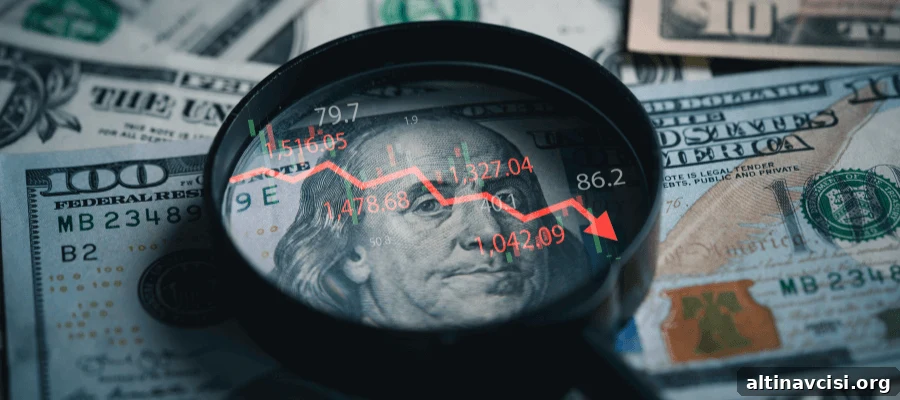
Global stock markets fell sharply on Friday after President Trump announced 25% tariffs on imported autos, sparking renewed fears of an escalating trade war. The tariff news prompted investors to seek safer assets, pushing gold to fresh record highs as demand rose for protection against mounting economic and geopolitical risks.
Asian markets were particularly hard hit. Japan’s Nikkei dropped nearly 2% as major automakers such as Toyota and Honda saw significant share price declines. South Korea’s Kospi also fell by about 2%. In Europe, the STOXX 600 edged lower, with the automotive sector marking its sixth consecutive week of losses amid concerns about the sector’s exposure to new trade barriers.
Several automakers, including Volvo, Audi, Mercedes-Benz and Hyundai, have begun shifting production and supply chains in response to the tariff threat, accelerating efforts to minimize cost exposure and preserve market access. These moves underscore broader industry worries about higher production costs and disrupted supply lines.
Markets were tense ahead of April 2, the date when reciprocal measures targeting U.S. exports are widely expected to be announced. Traders and corporate planners remain cautious as officials on both sides prepare potential responses that could widen the trade conflict and affect global growth.
Analysts at Macquarie warned the developing situation could be both “growth-restraining and inflation-producing,” a combination that tends to erode investor confidence in risk assets. That assessment has helped drive money into gold, which investors view as a hedge against economic uncertainty and potential inflationary pressures resulting from higher tariffs and supply disruptions.
The immediate market reaction highlights how quickly geopolitical decisions can ripple through global equities, commodities and corporate strategies. Companies with complex cross-border production networks face difficult choices about where to manufacture, how to restructure supply chains and how to manage the added costs that tariffs impose. For investors, the near-term focus will be on central bank responses, corporate earnings guidance and further policy announcements that could clarify the trajectory of trade relations and economic growth.