Gold and silver market update — May 13, 2026
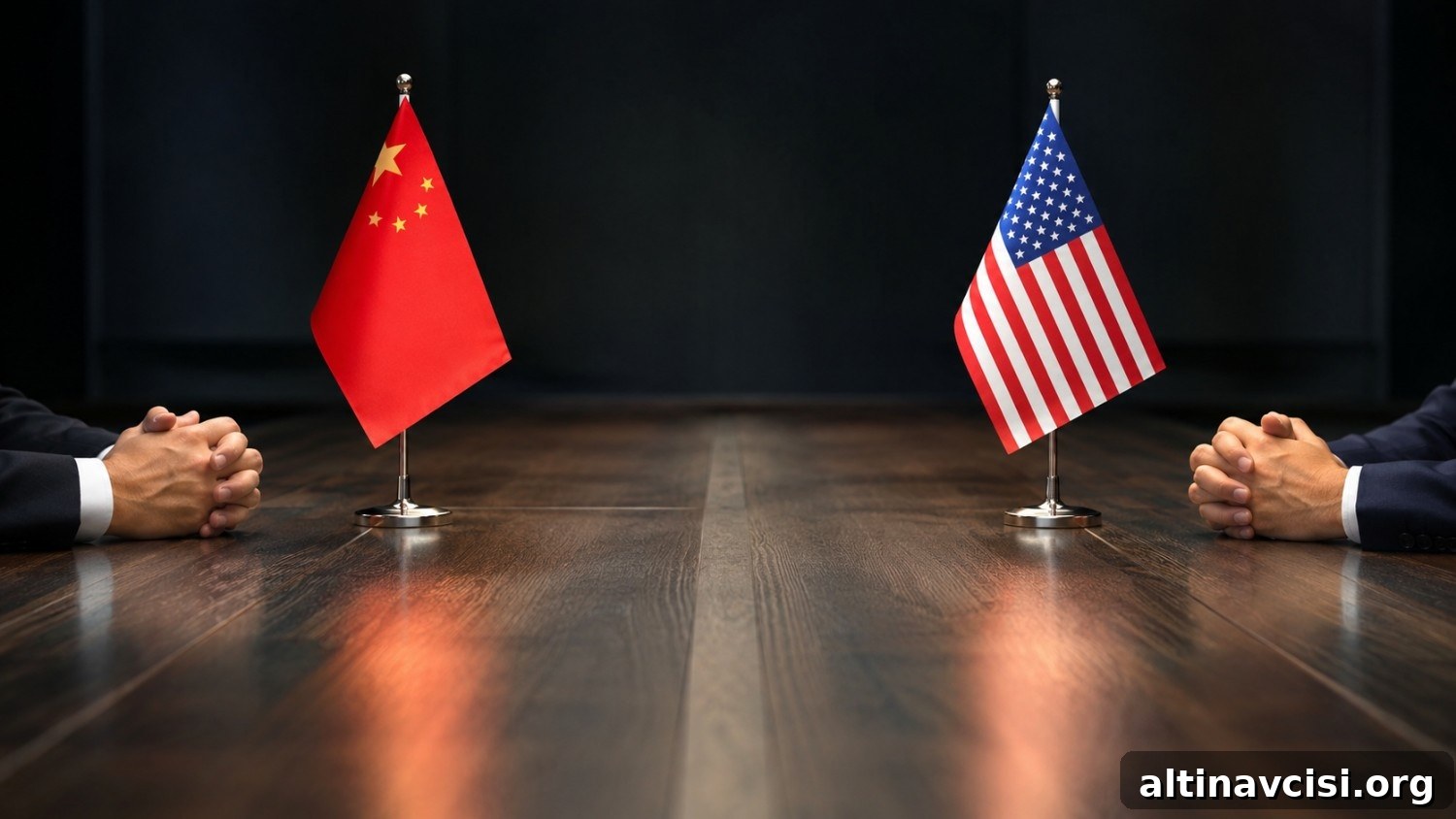
Donald Trump’s first visit to China since 2017 has become more than a political headline — it is now a pivotal event for gold and silver markets. This morning brought together several forces that matter directly to precious metals: a live squeeze in rare earth supplies, renewed upward pressure on food prices, China’s dominant position in critical minerals, and a U.S. equity market the World Gold Council describes as dangerously concentrated. For metals investors, developments in Beijing over the next two days could outweigh almost any other near-term catalyst.
Trump in Beijing: First US Presidential Visit to China Since 2017
Air Force One arrived Wednesday evening. Trump was welcomed by Chinese Vice President Han Zheng while children waved American and Chinese flags on the tarmac. Bilateral meetings with Xi Jinping began Thursday morning — the most substantive U.S.-China summit since 2017 — covering trade, the Iran war, Taiwan, and artificial intelligence.
For precious metals investors, the stakes are immediate. A genuine truce over rare earths could ease supply pressure in silver’s industrial chain. Beijing’s cooperation could also affect maritime security near the Strait of Hormuz, easing energy-related inflation risk. Finally, the summit will influence whether the current trade détente is extended beyond its November expiration. Markets remain sensitive to each of these outcomes.
The Edge Every Investor Needs
Smarter precious metals investing starts here. The Nuggets Newsletter brings you essential market insights, Fed updates, global trends, educational videos, and much more.
What Do China’s Rare Earth Export Controls Mean for Gold and Silver Supply Chains?
A Reuters report this morning indicates a possible extension of the rare earth truce is being discussed. Yet trade data suggest controls are still biting. Chinese exports of heavy rare earths such as yttrium, dysprosium, and terbium remain roughly 50% below pre-control levels. Outside China, prices for dysprosium and terbium have risen four- to fivefold, while yttrium has seen extreme increases — estimates from market consultants put some gains at many times prior levels. The continued shortfalls forced high-level U.S. intervention to secure approvals for a defense-related procurement.
These minerals power EV motors, semiconductors, advanced aircraft systems, and certain missiles. The disruption highlights how exposed modern industrial chains are to concentrated supply and why physical assets outside government control draw investor attention.
Is the Iran War Now Driving US Food Inflation? Here Is What the Data Shows
Energy costs have dominated recent inflation debates, but April 2026 CPI data from the Bureau of Labor Statistics show food inflation is accelerating. Food prices rose 3.2% year-over-year in April, up from 2.7% in March. Beef and veal costs climbed by nearly 15% year-over-year, and the food-at-home index posted its largest monthly increase since August 2022. Industry groups note this is predictable because food production relies heavily on energy at every stage.
Rising food costs matter beyond grocery bills: they influence consumer sentiment, voting behavior, and monetary policy. Persistent food and energy inflation tends to keep central banks on hold longer, compressing real wages and strengthening the case for holding physical assets like gold and silver as protection against declining purchasing power.
Are China’s Critical Minerals a Bigger Lever Than Tariffs?
Labeling this summit simply “trade talks” understates its scope. Since late 2025, the contest has shifted from tariff disputes to control over critical minerals, rare earths, and the magnet and component supply chains that underpin modern manufacturing and defense. Analysts argue the most realistic near-term outcome is an uneasy truce: modest, verifiable steps that buy time for both sides while leaving China with significant leverage.
Silver is tied directly to this dynamic. About 60% of annual silver demand is industrial — EVs, solar panels, semiconductors, and electronics — much of it dependent on supply chains where China plays a major role. Genuine trade openness would be bullish for silver’s industrial demand; limited or purely verbal commitments would keep that demand constrained.
Is the US Stock Market’s Semiconductor Concentration a Risk for Equity Investors?
The World Gold Council warned in its May 11, 2026 Weekly Markets Monitor about an unusually high concentration in the U.S. market. Semiconductor companies now represent a large share of S&P 500 forward earnings and account for a substantial portion of market capitalization. At the same time, the largest technology and market-cap names make up roughly 40% of the index. That overlap — concentrated earnings expectations combined with concentrated valuations — is historically rare and increases systemic risk.
If that concentration unwinds quickly, institutional investors often de-risk equities and rotate capital into tangible assets. Historically, such shifts have been a clear driver of flows into physical gold, making this a key watch item for metals investors.
What to Watch
The bilateral talks continue Thursday and Friday. A real extension of a rare earth truce and substantive trade openness would ease supply-chain stress, supporting silver’s industrial demand. Conversely, a disappointing summit would likely keep food inflation elevated, the Fed cautious, and China’s mineral leverage intact — while a top-heavy equity market remains poised for a potential rotation into physical metals. The meeting’s outcome is uncertain, but for many investors the rationale for holding hard assets through this period of geopolitical and economic uncertainty is clear.
Stay On Top of Gold & Silver Prices
Get important market alerts sent straight to your inbox.
SOURCES
1. CNN — Trump arrives in China for state visit, Xi meeting (May 13, 2026)
2. CBS News — Trump arrives in Beijing to meet with Xi Jinping (May 13, 2026)
3. NBC News — Trump en route to China for Xi meetings (May 13, 2026)
4. Al Jazeera — Trump and Xi to meet in Beijing: the key issues shaping the China summit (May 13, 2026)
5. Euronews — Trump arrives in Beijing for high-stakes summit with Xi (May 13, 2026)
6. AP / Spectrum News — Trump arrives in Beijing for talks with China’s Xi (May 13, 2026)
7. South China Morning Post — China confirms dates for Donald Trump’s state visit to Beijing (May 11, 2026)
8. Reuters — Trump, Xi to weigh rare earth truce extension, but China’s curbs still bite (May 13, 2026)
9. Bureau of Labor Statistics — Consumer Price Index Summary, April 2026 (May 12, 2026)
10. Bureau of Labor Statistics — Consumer Price Index Detailed Report, April 2026 (May 12, 2026)
11. USDA Economic Research Service — Food Price Outlook, Summary Findings (April 2026)
12. Council on Foreign Relations — At the Trump-Xi Summit, China Will Have the Upper Hand (May 10, 2026)
13. Council on Foreign Relations — Trump-Xi Summit: Analysis and Updates
14. Silver Institute — Silver Supply and Demand (World Silver Survey)
15. World Gold Council — Weekly Markets Monitor: A Seminal Moment (May 11, 2026)
Disclaimer: This article is for informational purposes only and does not constitute financial or investment advice. Always consult a qualified financial adviser before making investment decisions.
You May Also Like:
- The Real Reason Gold Falls When Inflation Surges
- CPI Hits 3.8%. Gold Falls. The Mechanism Nobody Explains
- Why the Gold Silver Ratio Is Falling — and What It Means
- What’s Moving Gold Prices This Week: CPI, Seoul & Beijing
- Silver Jumps 6% Before Trump-Xi Summit. Here’s Why
- April Jobs Beat 115K. Gold Held. The Dollar Didn’t. Here’s Why
- Jobs Beat, Ceasefire, Deficit: What It Means for Gold
- Gold Price Outlook: Oil Futures Disagree With Stock Markets