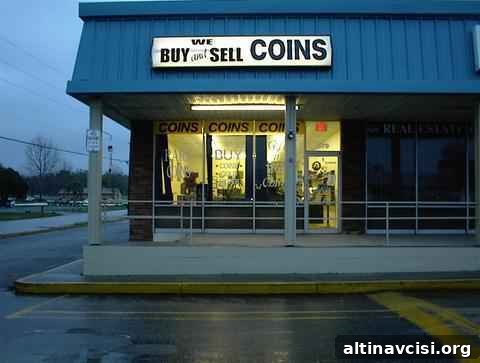
So you’ve decided to buy physical gold and silver from a coin shop. This can be a sensible choice, but it requires careful thought. Buying precious metals at a local dealer has both advantages and pitfalls, so informed preparation is essential.
Before you even walk into a coin shop
* Search
As Mike Maloney emphasizes in his Guide to Investing in Gold and Silver, do your due diligence and build a relationship with a dealer you have researched. Learn as much as you can about the shop and the people who run it. Unlike a familiar local business where the owner knows you, a coin shop is a money transaction environment where prior research protects your interests.
* Google Maps
Use Google Maps to find nearby coin shops. Make a shortlist of two or three candidates, and note their addresses, phone numbers and websites if available. A short, focused list helps you compare options without being overwhelmed.
* Other tools
Word-of-mouth is valuable. Ask friends, community members or online groups for feedback about shops you’re considering. Observing customers as they leave a store can also give clues about service and satisfaction.
* Know the spot price
Understand the live spot price of gold and silver before you visit. The spot price represents the base metal value on international markets and should be the reference point for premiums. Dealers should check the current spot price when quoting products; if they cannot or will not, consider walking away. Reasonable premiums account for manufacturing, distribution and retailer margins.
* Call beforehand and find out what they are selling for
Call the shop with a list of questions to compare offers and policies. Useful questions include:
* What is the premium compared to spot?
Premiums vary by size and product. Expect smaller coins and bars to carry higher premiums (roughly 5% to 20%), while large investment-grade bullion bars typically range from about 2% to 5% above spot.
* What methods of payment do you accept?
Many shops prefer cash, checks or bank wires rather than credit cards. The ability to accept bank wires and established banking relationships can signal a more experienced, stable operation. Be cautious if a shop lacks a reliable payment infrastructure.
* Are there any minimums or maximums?
Ask whether they can handle large orders—such as hundreds or thousands of ounces—and what their procedures are if they don’t have that quantity in stock.
* Return and buyback policies
Confirm the shop’s return policy and whether they buy back items, and under what terms. If a price or policy you were quoted over the phone changes when you arrive, that is a red flag—consider walking away.
* Beware
When building your top-three list, consider these additional factors:
* Business longevity
A shop that has operated for decades is often more reliable than a newly opened business. Longevity can indicate established practices, community trust and a track record you can research.
* Location and market size
Bigger cities tend to host more reputable dealers due to competition, larger customer bases and more visible reputations. That said, smaller-town shops can be excellent—just verify their credibility.
* Privacy of purchase
Large cash purchases at a shop are rarely private. Staff and onlookers may notice significant transactions, which can attract attention. If privacy matters, consider alternative purchasing methods that better protect anonymity.
* Know your dealer
Establish a relationship and verify a dealer’s reputation. There are documented cases of misconduct in the industry, including delayed or missing payments and mishandled consignments. Dealing with a reputable, transparent dealer reduces risk.
* Reporting and taxes
Tax treatment varies by jurisdiction. Some transactions may be taxable, and local rules can require reporting for purchases or sales under certain thresholds. Confirm tax obligations with local authorities or a tax advisor before transacting.
* Junk silver and underbidding
Avoid accepting large discounts for items whose purity or assay is uncertain. Dealers may offer low prices when customers are in urgent need of cash. If you seek quick liquidity, understand you may receive less than fair market value.
* If you need cash, be cautious
Urgent sellers are vulnerable to low offers. Dealers may price aggressively when you need immediate funds. Prepare in advance and avoid selling under duress unless you fully accept the price.
* Numismatic coins
Numismatic or collectible coins carry value based on rarity, condition and demand, not just metal content. If you are unfamiliar with numismatics, dealers can capitalize on that knowledge gap. Learn the basics or stick to bullion products if you want metal value rather than collector premiums.
* Safety
Consider your personal safety when buying and transporting precious metals. Factors to evaluate include:
– Being followed: If there are strangers loitering near the shop or the neighborhood feels unsafe, avoid carrying high-value items in public. Violent thefts and robberies can and do occur.
– Visibility of your purchase: Large purchases made in person are visible to staff and any bystanders. If discretion is important, plan accordingly.
– Security measures: Visible cameras and security systems are positive signs, though they do not eliminate all risk. Combine shop security with good personal precautions.
As awareness of economic risk grows, interest in precious metals rises. Gold and silver retain intrinsic value in ways paper currencies do not, but that makes prudent buying practices and safety measures more important than ever.
Exit Strategy
Knowing when to sell is as important as knowing when to buy. Precious metals move in cycles and, although the current bull market may have more upside, it will not last indefinitely. Ask your dealer about exit strategies, or study recognized guidance from reputable sources so you can plan sale timing and logistics in advance.
Summary
When deciding to buy gold and silver from a coin shop, do your homework, verify spot and premium pricing, confirm payment and return policies, assess safety and privacy, and establish a trustworthy relationship with your dealer. As Mike Maloney advises: please do your due diligence and develop a relationship with a dealer you’ve researched.