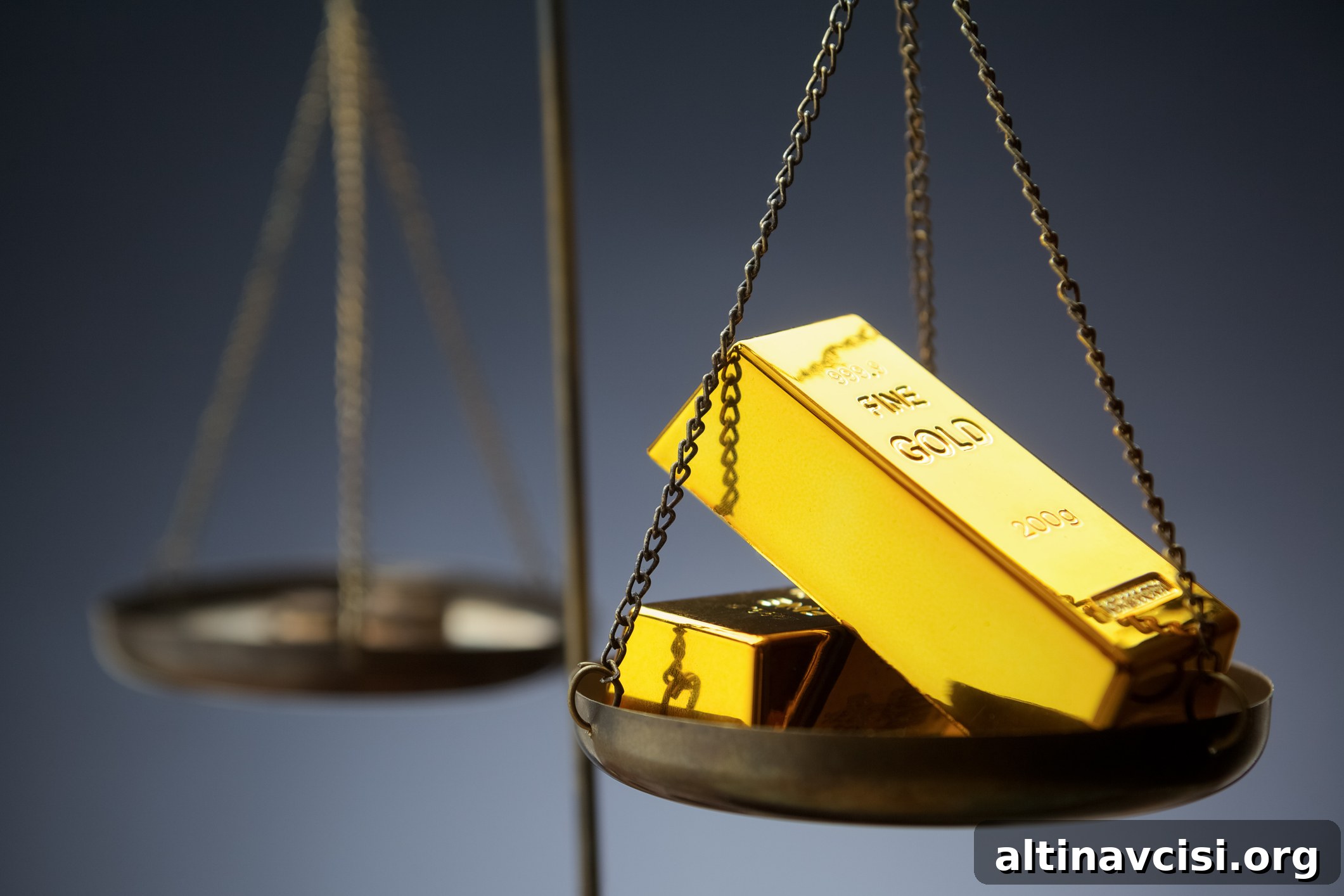
The gold-silver ratio has climbed to 100, meaning it now takes 100 ounces of silver to purchase one ounce of gold. That level sits well above the 25-year average of about 68, indicating silver is historically cheap relative to gold.
Why the disparity? Gold recently reached record levels above $3,500 as investors sought a safe haven amid economic uncertainty. Silver has not kept pace because it carries dual roles: it is both a precious metal and an industrial commodity widely used in electronics, photovoltaics, and manufacturing. Those industrial links make silver more sensitive to trade disruptions, slowing demand, and shifts in manufacturing activity.
The divergence creates both risk and opportunity. Silver typically shows greater volatility than gold, and short-term price swings can be sharp. At the same time, silver is experiencing a multi-year supply deficit, now entering a fifth consecutive year of shortages. That structural imbalance supports higher prices over time if demand holds or increases.
Many analysts view current silver levels as a favorable entry point for investors with a medium- to long-term horizon. If global economic conditions improve, trade tensions ease, and industrial demand recovers, silver could outperform gold and help the gold-silver ratio move closer to historical norms. Conversely, if economic weakness persists, silver’s industrial exposure could limit upside or deepen declines.
For investors who can tolerate volatility and have patience, the present divergence between gold and silver offers a potential opportunity. Careful allocation, attention to supply-and-demand trends, and a clear time frame are important when considering silver as part of a diversified portfolio.