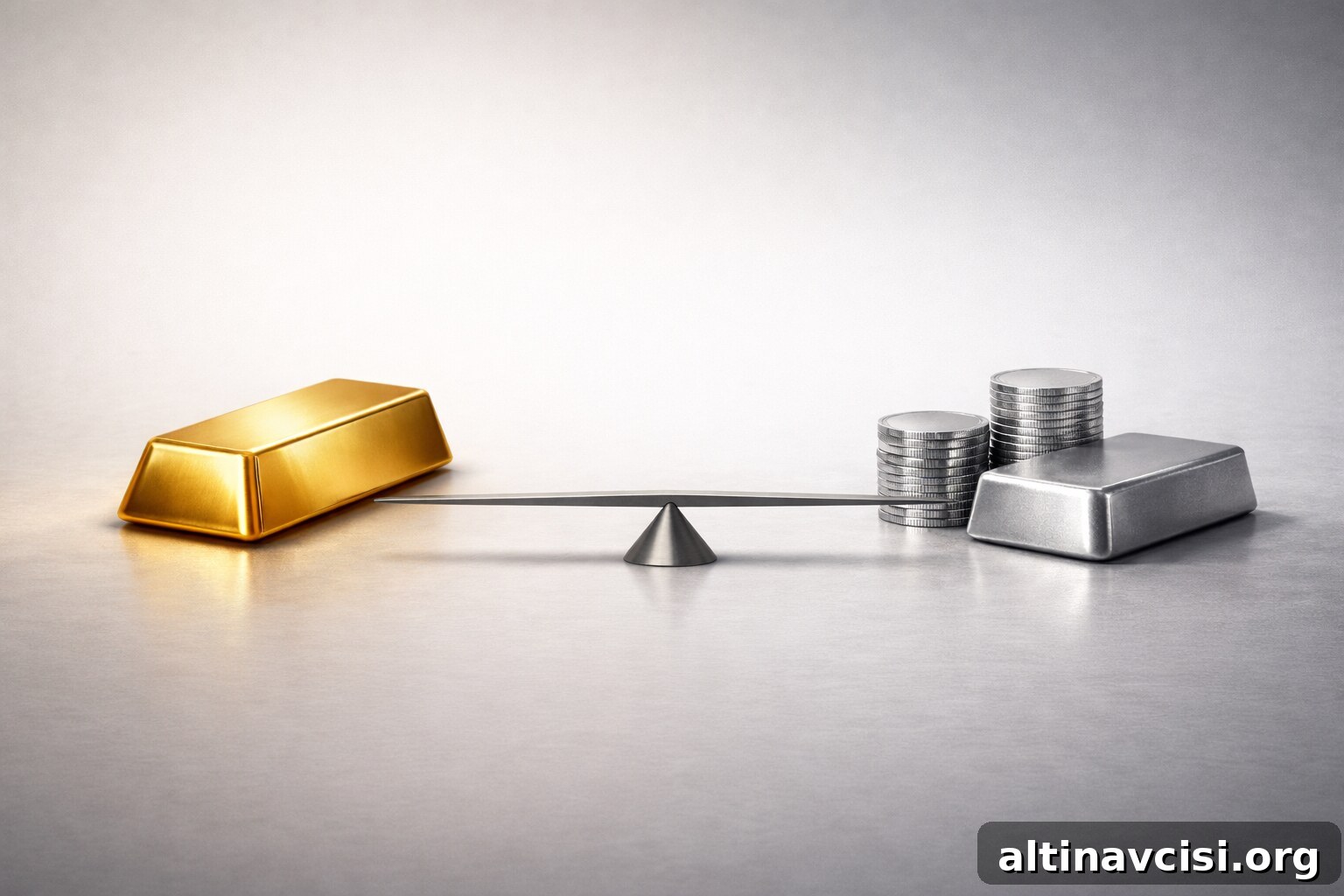
When choosing between gold and silver, many investors focus on price. The more important differences lie in ownership: how quickly each metal can be converted to cash when timing matters, and what that conversion will cost. Understanding these practical realities before you buy can prevent costly surprises later.
Liquidity is often described simply as “how easy it is to sell,” but that definition is incomplete. True liquidity rests on three practical components:
- Speed — how fast you can convert metal into cash
- Certainty — how confident you are a buyer will be available
- Price integrity — how much value you keep in the process
Both gold and silver trade globally, but they behave differently when markets are stressed or when time is critical.
What “Selling Under Pressure” Really Looks Like
Investors rarely sell precious metals in calm, orderly moments. More often they sell because:
- a sudden financial opportunity appears
- cash is needed for a major expense
- markets become volatile or seize up
- they need to rebalance quickly
In those situations, liquidity is practical, not theoretical. The relevant question is not “Can I sell this?” but “How fast, how cleanly, and at what cost?”
Gold Liquidity: Deep, Global, and Consistent
Gold is among the most liquid assets in the world. It trades across continents and in institutional, wholesale, and retail markets, often with tight bid/ask spreads even during stress. Because gold is universally recognized and widely held by central banks, bullion banks, dealers, and private investors, buyers are typically present.
That market depth gives gold several real-world advantages:
- Large dollar amounts can be sold quickly
- Transactions tend to clear smoothly
- Pricing remains relatively efficient even during volatility
For investors who may need to convert metal to cash on short notice, gold’s consistent liquidity is a key benefit.
Silver Liquidity: Strong — With Important Caveats
Silver is highly tradable, especially for smaller quantities. Retail demand for silver is deep, and small lots — a few coins, a tube of rounds, or modest amounts sold through local or online dealers — are easy to move.
However, silver’s liquidity becomes more complex as dollar values increase. Because silver transactions involve greater weight, handling, and logistics, selling large positions can:
- take longer
- incur wider bid/ask spreads
- require multiple transactions rather than one clean sale
Silver also reacts more strongly to retail sentiment, which can dry up or surge with market psychology. That makes silver “liquid” in volume but sometimes inefficient when timing and price integrity matter most.
Bid/Ask Spreads: Where Liquidity Gets Expensive
A clear difference between gold and silver under pressure is the spread — the gap between what buyers pay and what sellers receive. Gold spreads are typically tighter and more stable, while silver spreads can widen dramatically during volatility. That widening means silver holders may sacrifice more value when exiting positions under stress.
What This Means for Real Investors
Gold’s liquidity makes it especially well suited for:
- larger portfolios
- retirement accounts
- investors who prioritize flexibility
- situations where timing matters
Silver’s liquidity is most effective for:
- smaller transactions
- incremental buying and selling
- investors comfortable with added volatility and handling friction
Both metals are liquid, but gold is more consistently liquid when market conditions are least forgiving.
Liquidity Isn’t About Panic — It’s About Preparedness
Owning precious metals isn’t primarily intended for selling in a crisis. Still, prudent investors plan exit strategies before they need them. The difference between theoretical and practical liquidity becomes clear in real-world scenarios, and that distinction matters when considering storage and liquidation plans.
Understanding how gold and silver behave under pressure helps investors allocate intelligently rather than emotionally and avoid surprises when it matters most.
Final Thoughts: Choosing the Right Metal for Real Life
Gold and silver are often discussed as competitors, but they serve different purposes. The most important distinctions emerge when you look beyond price charts and headlines.
Gold excels at efficiency: it concentrates value, stores discreetly, and converts to cash with speed and certainty. That efficiency makes it a preferred reserve asset for institutions and long-term investors. Silver excels at accessibility and divisibility: it lets investors enter the precious-metals market with smaller amounts and offers retail-level flexibility, though it brings greater weight, volume, and potential volatility as holdings grow.
Neither metal is inherently better. What matters is how each fits into your storage capabilities, liquidity needs, time horizon, and overall financial strategy. Investors who understand these practical realities tend to make calmer decisions, hold with greater confidence, and avoid costly surprises later.
Think Beyond Today’s Price
Spot prices change daily; storage realities and liquidity dynamics do not. Whether you’re considering a first purchase or reassessing an allocation, the key question is not “Which metal will go up?” but “Which metal fits my real-world needs?” That perspective transforms precious metals from a speculative idea into a strategic asset.
Continue Learning Before You Decide
Education should come before transactions. Understanding how gold and silver behave in real ownership — from storage to liquidity — empowers clearer, less emotional choices. Learn how experienced investors think about allocating between metals, storing them securely, and building a precious-metals strategy that matches long-term goals. The more you understand up front, the more confident you’ll be regardless of what the markets do next.

The Financial System Isn’t Safer — And You Know It
As risks mount, see why gold and silver are projected to keep shining in 2026 and beyond.
Stay On Top of Gold & Silver Prices
Get important market alerts sent straight to your inbox.
People Also Ask
Why is gold more liquid than silver during market stress?
Gold maintains superior liquidity during volatile markets because its bid/ask spreads stay tighter, it benefits from a deeper global buyer network that includes central banks and institutions, and it can move large dollar amounts quickly. Silver’s liquidity weakens with larger transaction sizes due to heavier handling, wider spreads under stress, and a greater reliance on retail sentiment that can swing rapidly.
What are the three components of true liquidity in precious metals?
True liquidity consists of speed (how fast you can convert metal to cash), certainty (confidence a buyer will be available), and price integrity (how much value you retain when selling). These factors are critical when selling under pressure rather than in calm conditions.
When does silver liquidity become problematic for investors?
Silver liquidity becomes problematic as dollar values grow. Small retail transactions sell easily, but larger positions may require more time, wider spreads, and multiple transactions. The physical weight and logistics of silver create friction that makes it less efficient for large, time-sensitive sales.
Which precious metal is better for larger portfolios and why?
Gold is generally better for larger portfolios because it concentrates value in less space, maintains consistent liquidity across transaction sizes, and converts to cash with speed and certainty. Those characteristics make it suitable for retirement accounts and investors who prioritize flexibility. Silver is better for smaller-scale strategies but becomes cumbersome as holdings grow.
How do bid/ask spreads differ between gold and silver under pressure?
Gold typically keeps tight, stable bid/ask spreads even during volatility, while silver spreads can widen markedly. That difference affects the cost of exiting positions: silver holders often give up more value to complete a sale during stressed markets, making gold more cost-efficient when speed and price integrity matter most.
You May Also Like:
- Silver Price Components: Premium, Spot, and Dealer Markup Explained
- Silver Price Forecasts Revisited: Why Wall Street Got It Wrong
- Gold’s Purchasing Power: What One Ounce Buys Over Time
- Foreign Investors Are Selling U.S. Debt — Here’s Why Gold Is Surging
- Why Metals Dominated Every Asset Class in 2025 [and What It Means for 2026]
- Best Investment Of 2026: Silver’s Setup Is Hard To Ignore