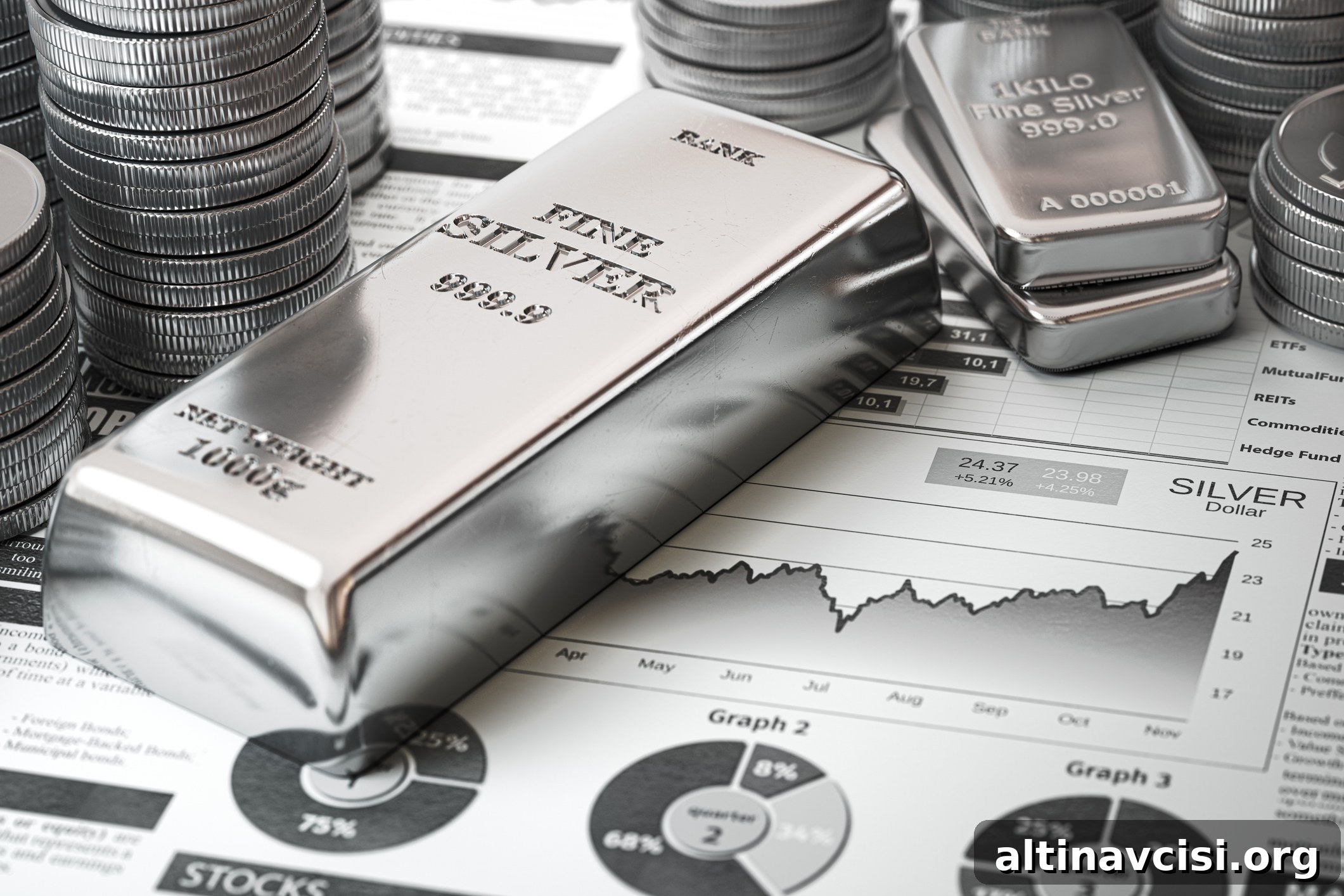
Silver is currently trading at levels that represent a historic weakness relative to gold: it now takes more than 100 ounces of silver to buy one ounce of gold, a stark contrast to the roughly 25:1 ratio that held in 2011.
Part of silver’s long-term underperformance stems from a dramatic decline in its role in photography. At one time photographic processes consumed about a quarter of the world’s silver supply; today that share has shrunk to roughly 3% as digital imaging replaced film.
Despite that structural loss of demand, silver’s outlook is improving. Solar-panel manufacturing now accounts for about 16% of global silver use, and the metal’s importance in battery components and other clean-energy technologies is expanding. These industrial uses are helping to offset the decline from photography and introduce new, growing sources of demand.
Viewed through a historical lens, silver appears undervalued relative to gold, and the current price disparity presents what many analysts consider an attractive entry point for investors who believe industrial adoption and clean-energy trends will continue to lift demand. While commodity prices remain subject to macroeconomic forces and short-term volatility, the shift in silver’s demand profile—from photography to renewable energy and electronics—suggests a structural change that could support higher prices over time.