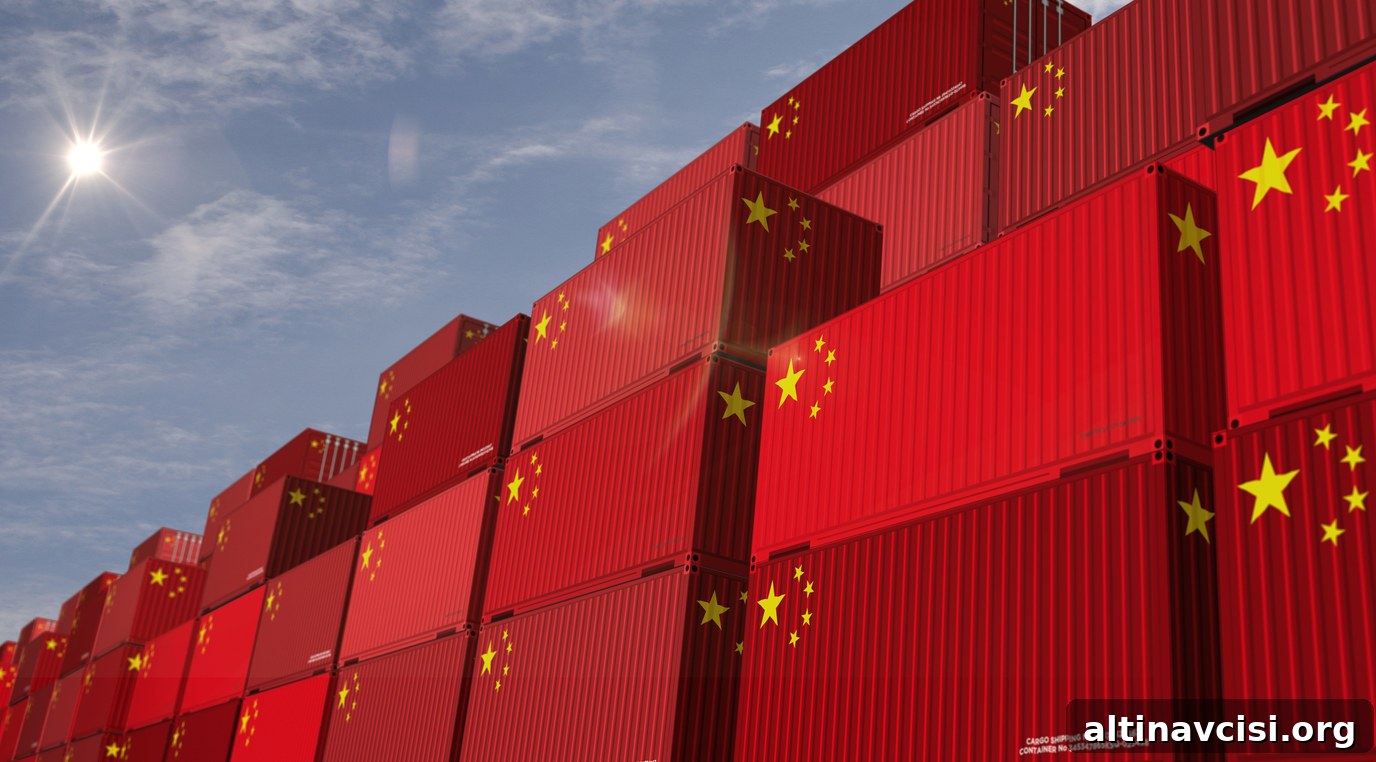
China has warned nations that are negotiating trade agreements with the United States that it will take retaliatory measures if those deals harm Chinese interests. The warning reflects Beijing’s growing concern over a U.S. push to reshape global trade relationships and limit economic dependence on China.
The U.S., under President Trump, has been encouraging roughly 70 trading partners to reduce or restrict certain commercial ties with China. American officials argue these steps are necessary to protect national security and ensure fair competition. Beijing, however, views such pressure as an attempt to isolate its economy and has signaled it will respond to any moves it sees as directly damaging to Chinese companies or the broader national interest.
At the same time, Japan’s Prime Minister, Fumio Ishiba, has suggested Tokyo will not quickly yield to all U.S. demands during bilateral trade discussions. Japan is weighing its own economic priorities and the potential impact on domestic industries, indicating that negotiations are likely to be careful and measured rather than a quick acceptance of U.S. terms.
In addition to tariff disputes, the Trump administration released an eight-point list targeting “non-tariff cheating” — complaints about practices such as forced technology transfer, intellectual property theft, discriminatory regulation, and opaque subsidies. The aim of that list is to broaden the scope of trade talks beyond simple tariff levels and address a wider set of concerns affecting competitiveness and market access.
South Korea and the United States are also scheduled to begin trade negotiations this week, underscoring how the U.S. is pursuing multiple bilateral talks simultaneously. These discussions will examine issues ranging from market access and tariffs to non-tariff barriers and regulatory practices. For countries in Asia and beyond, the negotiations present a balancing act: maintaining strong economic ties with the U.S. while avoiding actions that could provoke Chinese retaliation.
Observers say the unfolding diplomatic and economic maneuvering highlights the complexity of current global trade dynamics. Nations must consider strategic alliances, domestic industry protection, and the potential economic consequences of choosing sides. As talks progress, expect continued diplomatic signaling and careful negotiation as each country seeks to protect its economic interests without escalating tensions.