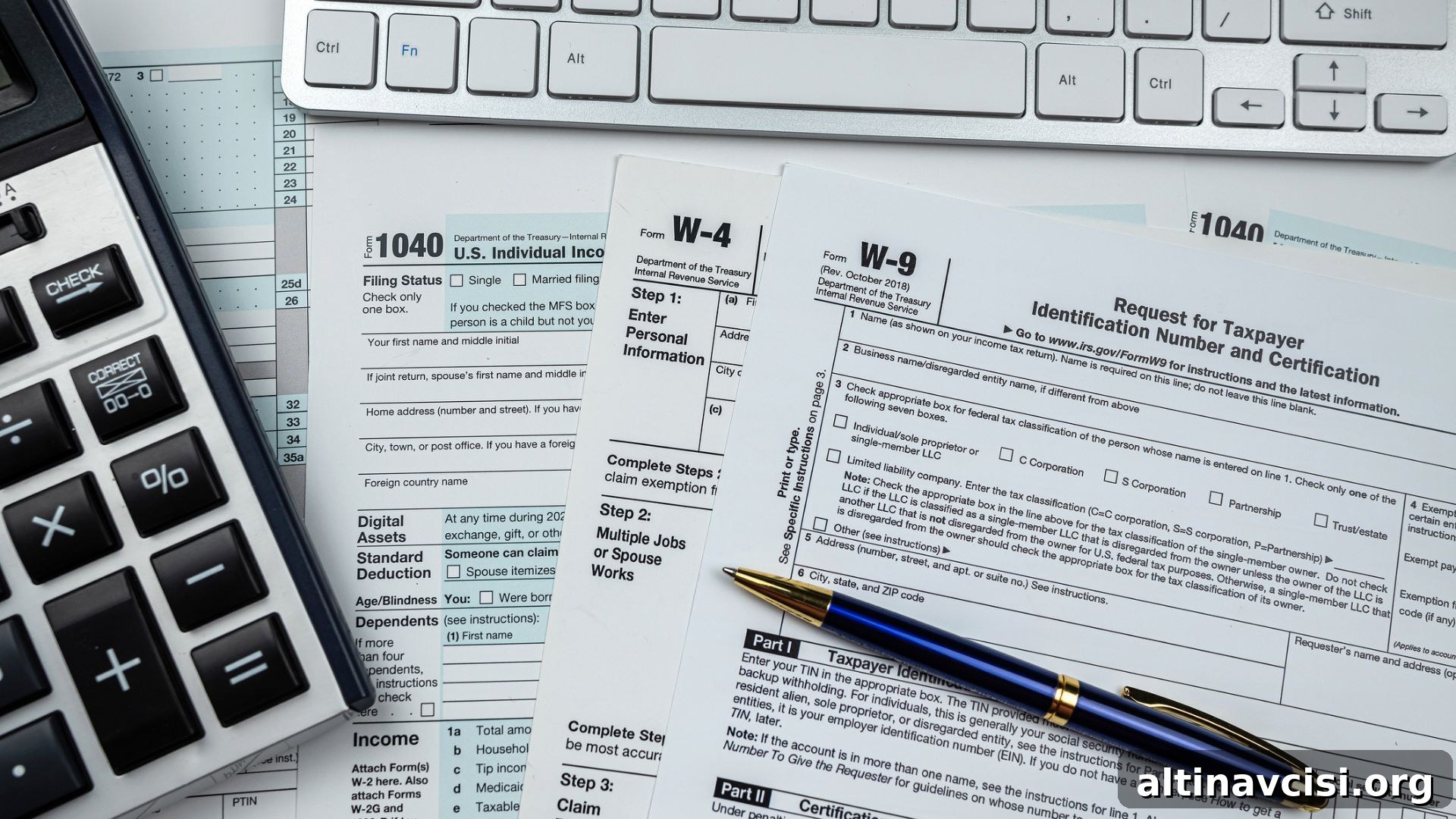
Gold and silver investors in New Jersey just received a significant benefit: the state no longer charges sales tax on purchases of precious metals.
Under bipartisan legislation that took effect on January 1, New Jersey eliminated sales tax on gold, silver, and other qualifying precious metals. The change makes New Jersey one of the more competitive states for buying and trading bullion and could encourage increased local activity among both retail and institutional buyers.
As other states watch the effects of this policy change, it may signal a broader trend in state tax treatment of precious metals, particularly as investors seek ways to protect long-term value amid monetary and market uncertainty.
📈 Alan Hibbard: Gold and Bitcoin Set for ‘Explosive’ 2025

In a recent NYSE TV interview, analyst Alan Hibbard discussed Federal Reserve Chair Jerome Powell’s comments about Bitcoin and emphasized an important distinction often overlooked: the difference between money and currency. Hibbard argued that those planning for long-term preservation of purchasing power should consider assets like gold or Bitcoin rather than relying solely on fiat currency.
Hibbard cautioned against treating most cryptocurrencies as equivalent to long-term stores of value, likening many tokens to “airline miles” in terms of utility. He singled out Bitcoin as different, predicting that 2025 will be an especially strong year for the cryptocurrency.
“I’m not too interested in focusing on all those different cryptocurrencies and their individual idiosyncrasies. I focus more on Bitcoin, and it is going to be a huge year for Bitcoin. 2025 is going to be explosive,” he said.
🥫 Food Markets Face Price Increases and Trade Uncertainty

Global food commodity prices rose by about 7% in 2024, marking their first annual increase in three years. The largest contributors to that rise were higher vegetable oil prices—palm oil in particular—along with increases in dairy and meat costs. Grain prices, by contrast, declined as supplies proved adequate.
These price pressures coincide with proposed import tariffs from the incoming administration and ongoing uncertainty in international trade relations. Analysts at Rabobank foresee continued constraints for palm oil and wheat supplies through 2025. In particular, U.S.–China trade dynamics are expected to be a major factor affecting global food commodity prices, and the resulting shifts will likely affect margins unevenly across the food supply chain, from farmers to processors and retailers.
As consumers adjust to rising grocery costs, industry participants are also managing inflationary pressures and supply risks that could persist into next year.
🕰️ Rolex Gold Watches Set for Major Price Hike

Rolex announced global price increases for 2025 that vary significantly by material: gold models are expected to rise by roughly 14%, while steel models will see a much smaller increase of around 3%. The larger jump for gold watches reflects both rising raw material costs and strategic pricing within the luxury market. Higher gold prices are already affecting pricing across luxury goods, and analysts expect that trend to continue as precious metal costs remain elevated.
Collectors and buyers should expect further pressure on resale values and new-model pricing as manufacturers adjust to higher input costs.
🏦 Banks Expect Gold Rally to Continue
Gold delivered a strong performance in 2024, rising approximately 27% to reach near $2,670 per ounce—its best year in more than a decade. Major financial institutions including JPMorgan and Goldman Sachs are forecasting further gains, with some projections targeting a gold price near $3,000 per ounce in 2025. These forecasts rest on expectations of Federal Reserve rate cuts, growing central bank purchases of gold, and lingering inflation pressures.
Retail investor participation in the gold market was relatively subdued in 2024, but analysts note that a shift toward lower interest rates or renewed inflation concerns could bring more individual investors into the market, adding momentum to prices.
With prominent banks and industry experts anticipating continued movement in precious metals, many investors are reassessing portfolio allocations. For those considering adding physical metals or bullion to a diversified strategy, the removal of sales tax in New Jersey may lower purchase costs and simplify the buying decision.
Ready to explore precious metals for your portfolio? It’s easier than many expect to begin evaluating options and setting up purchases.
Here to help you build lasting wealth,
Brandon S.
Editor
GoldSilver