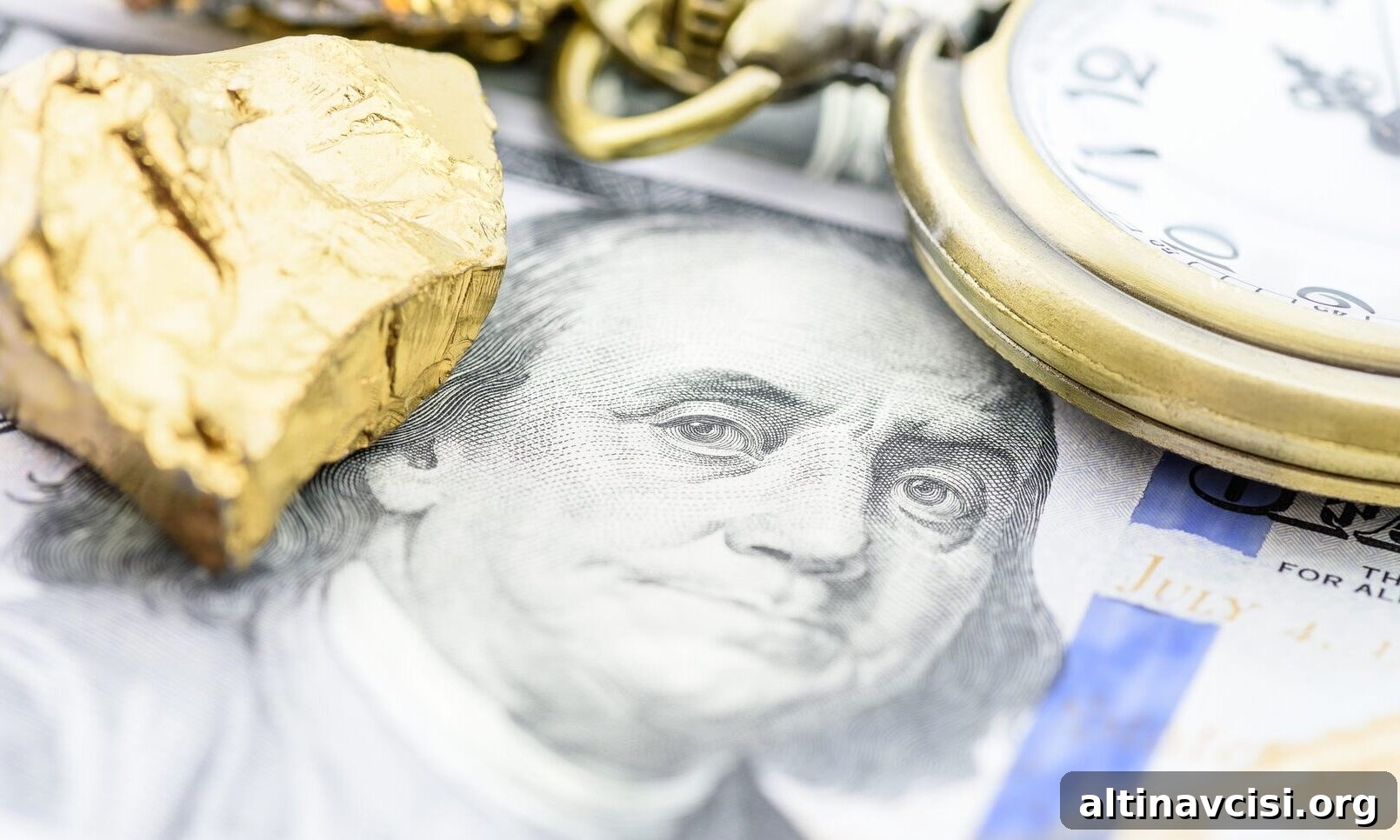
Daily News Nuggets | Today’s top stories for gold and silver investors
October 24th, 2025
Inflation Cools — But Stays Above Target
Consumer prices rose 3.0% year-over-year in September, slightly below the 3.1% economists had forecast. The monthly increase of 0.3% also came in below expectations. The report was released nine days late because of the government shutdown so the Social Security Administration could complete its cost-of-living adjustment (COLA) calculations for 2026.
Gasoline rallied 4.1% on the month, while shelter costs — which account for roughly a third of the index — rose just 0.2%, and used car prices declined. For the Federal Reserve, which meets next week, the cooler inflation print keeps a quarter-point rate cut squarely on the table. Markets reacted: Treasury yields fell and stock futures rose. Even so, with inflation still at 3%, it remains above the Fed’s 2% target, underscoring that progress has been made but the job is not finished.
Social Security Gets 2.8% Bump — But Groceries Are Rising Faster
Social Security beneficiaries will receive a 2.8% cost-of-living adjustment in 2026, equal to an average monthly increase of about $56. The COLA will affect nearly 71 million Americans starting in January and reflects a moderating inflation environment compared with the large 8.7% increase in 2023.
However, many essential expenses continue to outpace the COLA. Over the past year:
- Electricity: up 5.1%
- Natural gas: up 11.7%
- Meat, poultry, fish, and eggs: up 5.2%
For retirees on fixed incomes who spend a larger share of their budgets on necessities, a 2.8% increase may not be enough to offset rising costs. Policy experts note that COLAs help but cannot fully address the financial pressures many households face, particularly as essential goods and utilities climb faster than the overall index.
Dollar Slips as Softer Inflation Clears Path for Fed Cuts
The U.S. dollar weakened after the softer-than-expected inflation reading, reinforcing expectations that the Federal Reserve will begin cutting rates. The cooler CPI print prompted investors to move into risk assets and to reduce dollar exposure, while Treasury yields moved lower and stock futures rallied. A weaker dollar tends to support precious metals prices, making dollar-denominated commodities like gold and silver cheaper for buyers abroad. With the Fed appearing more likely to ease policy and inflation trending downward, the currency backdrop is favorable for metals.
Gold Funds See Largest Weekly Inflow Ever
Gold-backed funds attracted $8.7 billion in inflows last week, the largest weekly tally on record, as investors sought a safe haven amid economic and geopolitical uncertainty. That surge brings inflows over the past four months to roughly $50 billion, according to industry research.
Gold reached an intraday record of $4,381 per ounce earlier in the week before settling near $4,070, leaving it more than 60% higher year-to-date. Analysts point to continued central bank buying, accelerating de-dollarization trends, and elevated geopolitical risk as key drivers of demand. While short-term corrections may occur, many market observers see the wider trend as bullish for the metal, with investors viewing gold as a hedge against persistent uncertainty.
U.S. Economy Holding Up — But Risks Are Building
The International Monetary Fund raised its 2025 U.S. growth forecast to 2.0%, citing stronger-than-expected investment in artificial intelligence and resilient consumer spending. That optimistic revision highlights areas of economic strength.
At the same time, the IMF flagged risks that could restrain growth and keep inflation elevated: trade uncertainty, sticky inflation dynamics, and tight labor markets. These factors complicate the Fed’s policy path and could sustain demand for safe-haven assets.
For precious metals investors, the implications are mixed but straightforward. If inflation remains persistent while growth slows, demand for gold and silver is likely to stay strong as investors seek protection. If the economy stays resilient and the Fed delays or limits cuts, that could temper metals’ upside in the near term. The interplay between inflation and growth will continue to shape metals markets.