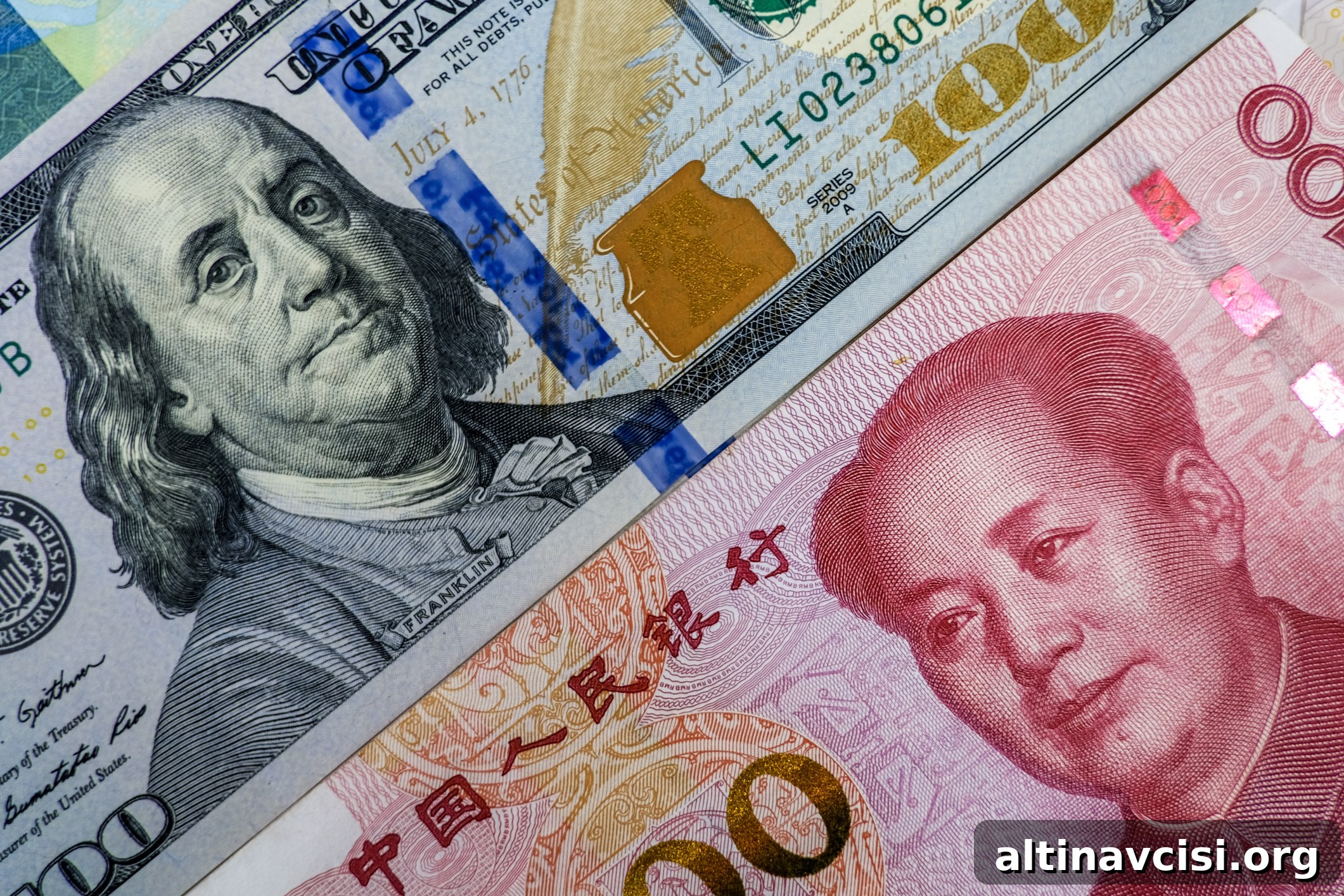
China has indicated it will not permit a sharp appreciation of the yuan against the U.S. dollar, a stance that helped steady Asian currency markets after recent swings.
The People’s Bank of China maintained its daily reference rate, signaling resistance to the offshore yuan’s recent rally and tempering expectations of a rapid strengthening.
Alongside interventions by monetary authorities in Taiwan and Hong Kong intended to limit gains in their currencies, China’s move aims to calm market volatility across the region.
The yuan’s role as a regional anchor means Beijing’s exchange-rate guidance strongly influences other Asian currencies, so its decision to cap appreciation can help restore short-term stability.
Investors and central banks in the region closely watch Beijing’s policy signals because coordinated or parallel actions tend to reduce speculative flows that drive sharp moves in currency markets. By holding the reference rate steady, the People’s Bank of China is sending a clear message that it prefers gradual, managed adjustments rather than abrupt shifts that might unsettle trade and capital flows.
These management measures can also give other regional authorities space to act without facing extreme currency fluctuations. In recent sessions, renewed intervention by Taiwan’s and Hong Kong’s monetary authorities contributed to a broader easing of pressure in forex markets, complementing China’s approach.
While short-term stability is the immediate goal, market participants will continue to monitor economic data, interest-rate expectations and capital flows for signs of longer-term trends. For now, China’s move represents a deliberate effort to balance domestic policy goals with the need to maintain orderly conditions across Asian currency markets.