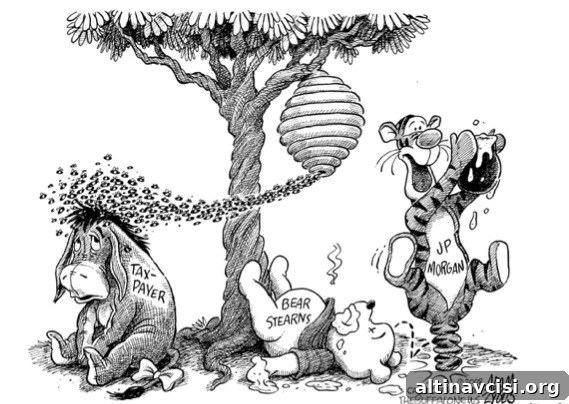
Few people know exactly what was said, promised, discovered, obscured, or threatened during the tense days around the collapse of Bear Stearns and its subsequent, taxpayer-assisted absorption by JPMorgan.
What is indisputable is that JPMorgan assumed Bear Stearns’ enormous and disastrous short position in silver. The bank’s response to that legacy position reshaped the silver market and simultaneously positioned it for a potential historic rally.
Bear Stearns’ collapse coincided almost precisely with gold reaching record highs (above $1,000) and silver hitting 30-year highs (around $21). From year-end 2007 to mid-March 2008, Bear Stearns incurred losses in excess of $2 billion from its short positions in gold and silver.
When it became widely known in September 2008 that JPMorgan had become the largest short seller on COMEX for both gold and silver, it exposed inconsistencies in earlier public statements by the CFTC that denied any significant short concentration in the silver market.
By 2012 and 2013, JPMorgan had purchased enough physical silver to cover the former Bear Stearns paper short on COMEX. At that point the bank recognized it no longer needed to accumulate metal solely as a defensive hedge; it could also convert that defensive position into an offensive, profit-driven strategy.
Why else would a profit-focused institution like JPMorgan accumulate such vast amounts of physical silver—reported figures run into the hundreds of millions of ounces—if not to generate returns? While the exact timing and motives are complex, this strategic shift from defense to offense likely would not have occurred without JPMorgan’s takeover of Bear Stearns. For many observers, that takeover ranks among the most consequential events in the recent history of the silver market.