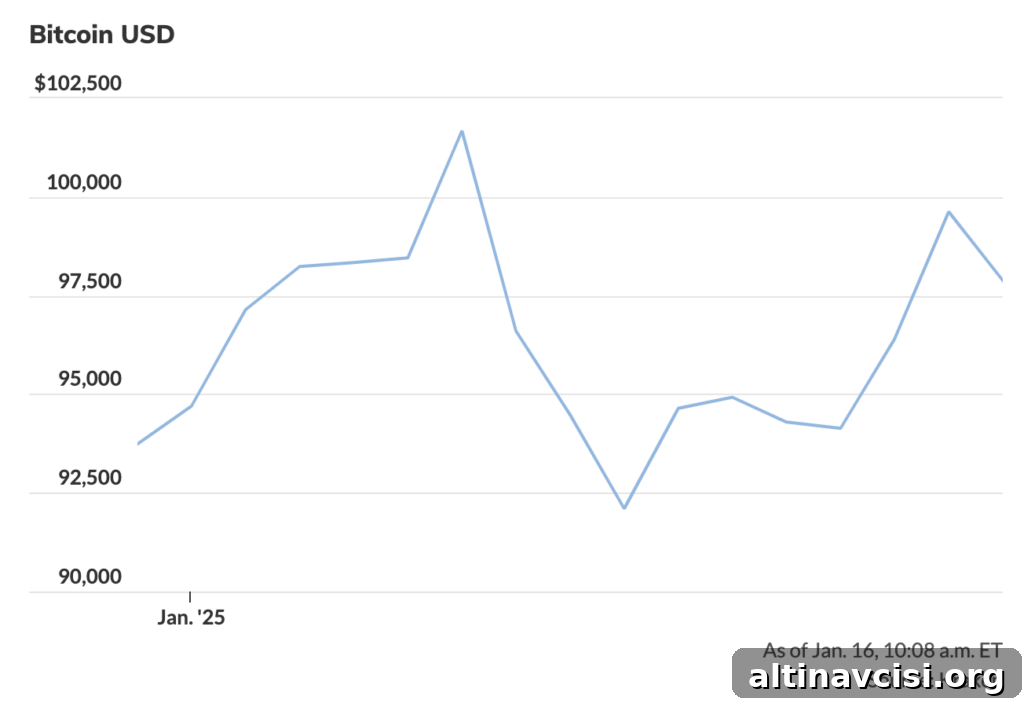
As both gold and Bitcoin reached record highs in 2024—with Bitcoin climbing past $100,000 and gold approaching $2,800 per ounce—more investors and advisors are rethinking traditional asset mixes.
Increasingly, investment professionals recommend holding both assets together to improve portfolio diversification. Each brings distinct properties: gold offers long-established stability and downside protection, while Bitcoin provides higher growth potential and a different return profile.
Gold’s track record spans millennia. It has historically preserved purchasing power, acted as a hedge against currency depreciation, and provided a safe haven during geopolitical turmoil and financial stress. Its relative stability and low correlation with many risk assets make it a useful shock absorber in diversified portfolios.
Bitcoin, by contrast, is a much younger asset class with roughly 15 years of market history. It is more volatile than gold and tends to move in closer step with technology and risk-on assets. That volatility brings the possibility of outsized gains, but also larger drawdowns. For investors willing to accept higher risk, Bitcoin can offer exposure to potential long-term appreciation tied to digital adoption and institutional interest.
Given their differing risk and return profiles, advisors often suggest a measured allocation to each. Conservative recommendations published by large asset managers and financial advisors typically cap Bitcoin exposure at a small percentage of a traditional portfolio—often around 1–2%—to limit downside while allowing participation in upside. By comparison, gold allocations are commonly suggested at higher levels, sometimes up to 8–10%, reflecting its long-standing role as a defensive asset.
Combining gold and Bitcoin can therefore create complementary balance: gold reduces volatility and hedges against macro risks, while Bitcoin introduces asymmetric upside potential tied to digital innovation. Allocation decisions should be driven by individual goals, time horizon, risk tolerance, and the role each asset plays within the broader portfolio.
Practical considerations also matter. Investors should pay attention to custody, fees, liquidity, and tax treatment for both assets. Gold is available in many physical and paper forms, including coins, bars, ETFs, and gold-backed funds. Bitcoin can be held directly in private wallets, through custodial services, or via exchange-traded products that provide regulated access without direct custody responsibilities.
Risk management remains critical. Given Bitcoin’s higher volatility, small position sizes and regular rebalancing help control concentration risk. For gold, investors should weigh storage and insurance costs for physical holdings versus the convenience and potential counterparty exposure of paper alternatives.
In summary, gold and Bitcoin serve different but potentially complementary roles. Gold provides historical stability and defensive characteristics, while Bitcoin offers higher-risk, higher-reward exposure linked to technological adoption. A thoughtfully diversified portfolio can include both—at allocations suited to the investor’s objectives and tolerance for risk—allowing for protection during market stress and participation in emerging growth opportunities.