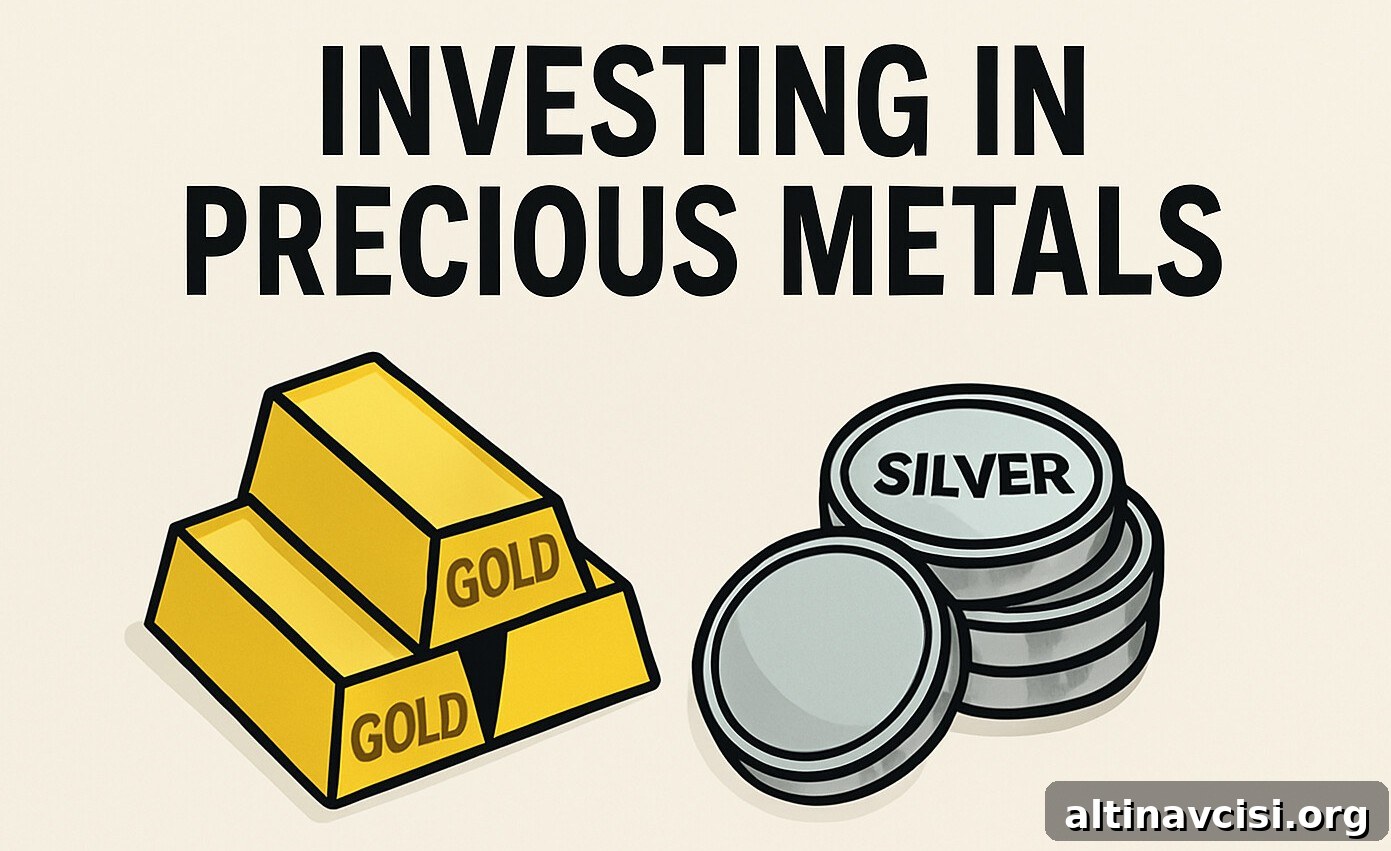
In times of market volatility and currency uncertainty, precious metals remain one of the oldest and most reliable investment strategies. This article explains how investing in precious metals works, what benefits they offer, and how to get started if you want to add them to your financial plan.
Gold and silver have preserved wealth for millennia. With inflationary pressures and periodic market turbulence, many investors return to precious metals to protect purchasing power and reduce portfolio risk. Whether you are building a retirement plan or seeking stability, understanding the characteristics of precious metals helps you make informed decisions.
Why Invest in Precious Metals?
Quick Facts:
- Gold has historically outpaced inflation over long periods
- Silver demand for photovoltaic and industrial use is growing
- Central banks continue to hold and acquire gold as part of reserves
Owning precious metals is more than collecting attractive items. These are tangible assets whose value does not rely on a company’s balance sheet or a government’s fiscal policy. When you own gold or silver you gain:
- Real assets that can be held and stored
- Universal value recognized across borders and cultures
- Protection from currency devaluation and certain systemic risks
The Core Benefits of Investing in Gold and Silver
- Inflation protection: Gold often holds value when currencies weaken. Historical episodes show significant gold appreciation during periods of high inflation.
- Portfolio diversification: Precious metals often move independently of stocks and bonds, helping reduce overall portfolio volatility.
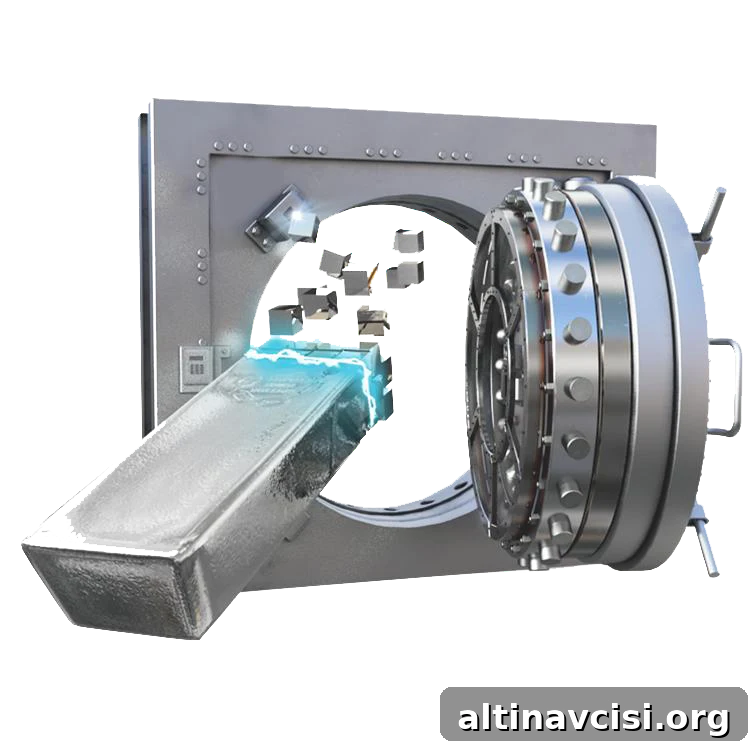
- Crisis insurance: Physical metals remain an asset you control even if financial systems face disruptions.
- No counterparty risk: Physical coins and bars do not depend on third parties for value.
Understanding Each Metal’s Investment Profile
Gold: The Foundation
Gold is the most liquid and widely accepted precious metal. It serves as a traditional store of value and a hedge against inflation and economic uncertainty. Demand comes from central banks, jewelry markets, and investors, which supports liquidity and global acceptance.
Silver: Industrial Demand and Investment Potential
Silver combines investment characteristics with industrial use. Growth in clean-energy technologies, including solar panels, drives industrial demand. Silver tends to be more volatile than gold, which can offer higher upside but also higher risk—making it suitable for investors willing to accept greater price swings.
Platinum and Palladium: Specialized Uses
Platinum and palladium are important in industrial applications, especially automotive catalytic converters. Their demand depends on automotive production trends and regulatory factors. Shifts toward electric vehicles affect palladium and platinum differently, altering their market dynamics.
Getting Started with Your Precious Metals Journey
If you decide precious metals deserve a place in your portfolio, follow a few practical steps to begin thoughtfully:
Step 1: Determine your allocation
Advisors commonly suggest 5–10% of a portfolio in precious metals. Conservative investors often start near 5%, while those seeking greater protection may allocate more. Align allocation with your goals, timeline, and risk tolerance.
Step 2: Choose your investment method
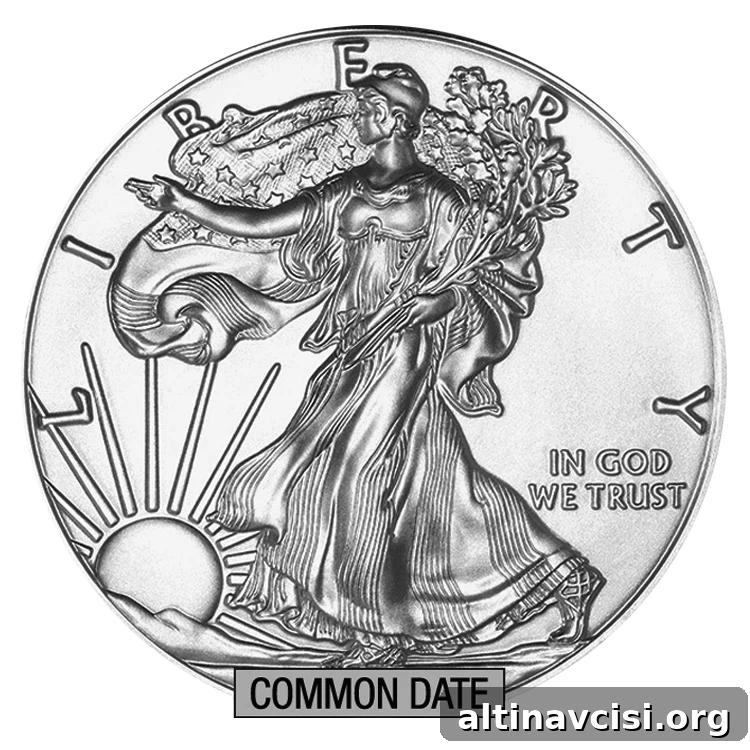
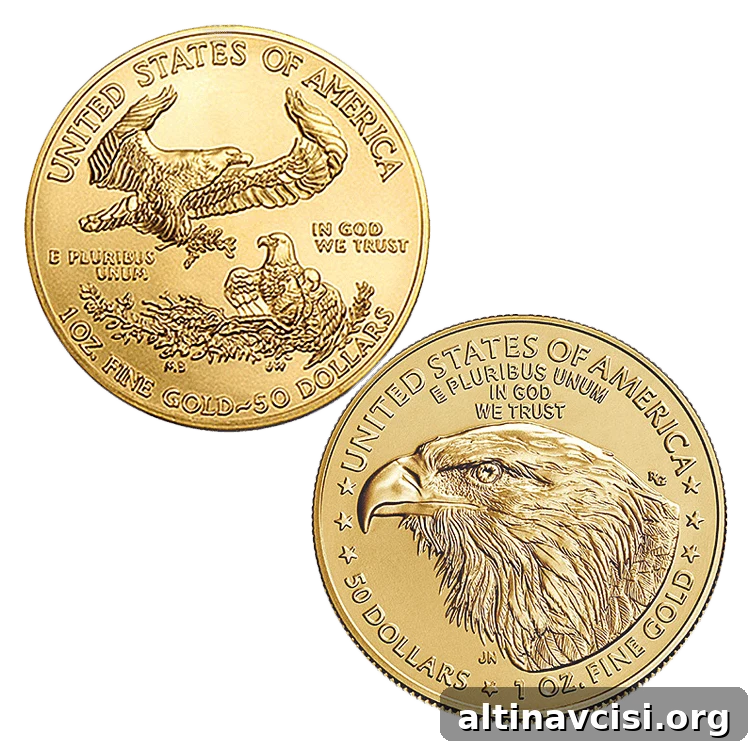
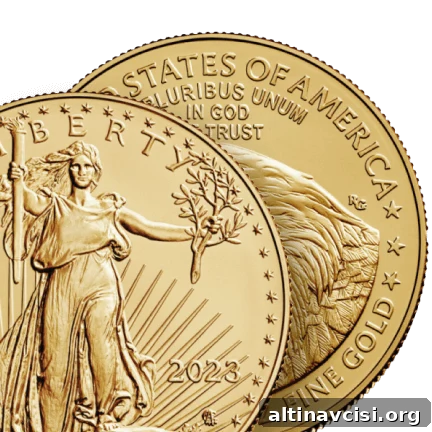
- Physical ownership: Coins and bars you store yourself or in secure storage
- ETFs and funds: Paper exposure to metals without physical handling
- Mining stocks: Equity exposure that can amplify metal price moves
Step 3: Start small and build
Begin with modest purchases—such as a few silver coins or a fractional gold piece—to learn the market and purchasing process. Dollar-cost averaging over time reduces timing risk.
Step 4: Work with reputable dealers
Choose dealers who provide transparent pricing, clear documentation, buyback options, and secure shipping or storage solutions. Trust and reputation matter when buying physical metals.
GoldSilver: Investing in Physical Metals Made Easy
Options to buy, store, sell, and take delivery give investors flexibility and control when dealing with physical precious metals.
Start by clarifying your investment goals and risk tolerance. Consider regular, small purchases to build exposure gradually. When ready to buy, prioritize recognized products and reputable sellers. Whether you choose physical metals, ETFs, or mining stocks, ensure your approach fits your overall financial plan.
Conclusion: Making Precious Metals Work for You
Precious metals offer a straightforward store of value in a financial world full of complex instruments. They have a long history of preserving wealth and can serve as a hedge, a diversifier, and a source of confidence during uncertain times. While they may not deliver rapid wealth, their durability and global acceptance provide a foundation for financial resilience.
Evaluate how precious metals align with your objectives, start with a clear plan, and use reputable sources as you build exposure. Thoughtful allocation and consistent purchases can make precious metals a useful component of a diversified portfolio.
Disclaimer: This article is for informational purposes only and is not investment advice. Precious metals prices can be volatile and past performance is not a guarantee of future results. Consult qualified financial professionals before making investment decisions.