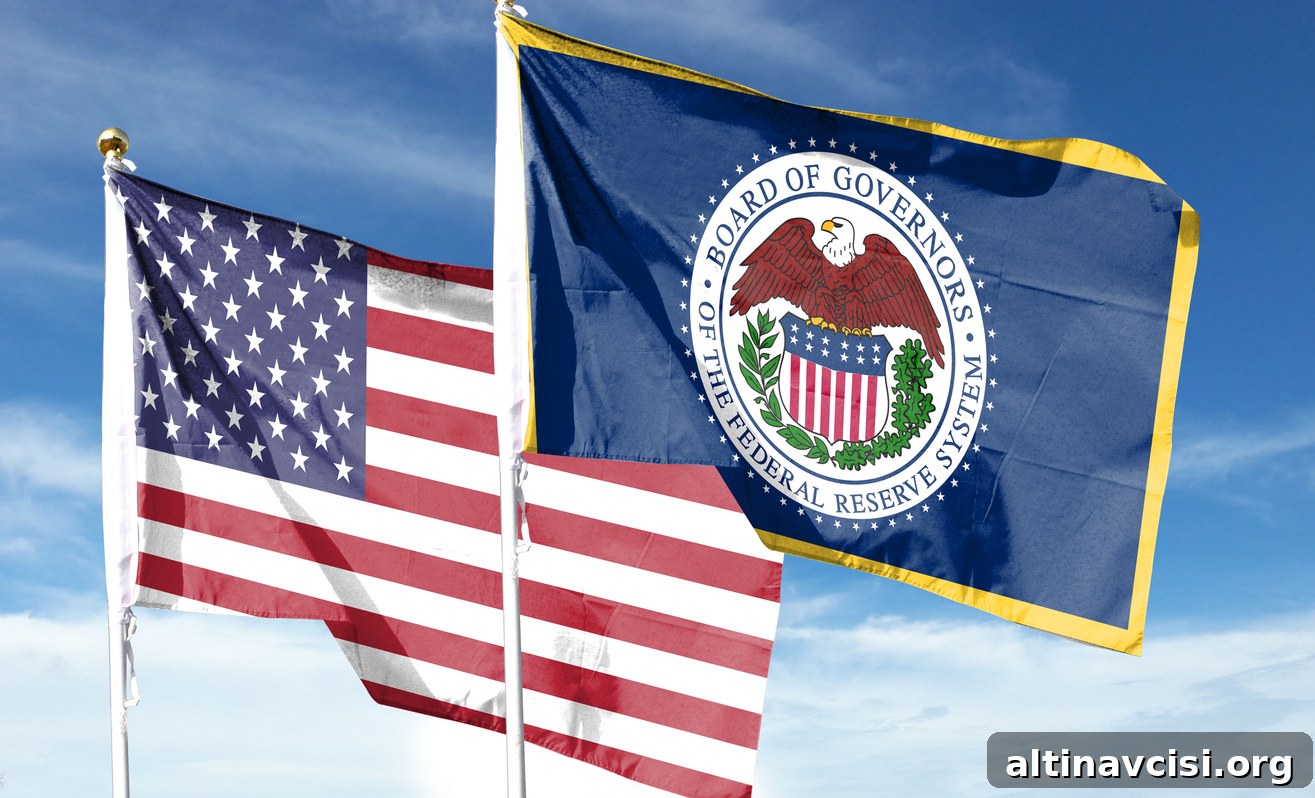
President Trump is reportedly weighing the possibility of removing Federal Reserve Chair Jerome Powell before his term expires in May 2026. Sources familiar with the administration indicate that former Fed governor Kevin Warsh is the leading candidate to succeed Powell if the change is made. Warsh, who served on the Federal Reserve Board during the 2008 financial crisis under Ben Bernanke, has argued publicly that the Fed sometimes acts with political motivations—a perspective that echoes President Trump’s criticisms.
Senior adviser Steve Moore has characterized the odds of an early removal as “a little less than 50-50.” Other potential replacements mentioned by insiders include Kevin Hassett, economist Art Laffer, former White House economic adviser Larry Kudlow, and current Fed Governor Chris Waller. Waller has advocated for interest-rate cuts as a measure to stave off recessionary risk amid elevated tariffs, a stance that could appeal to officials prioritizing growth and market stability.
Not all key figures within the administration support an early leadership change at the Fed. Treasury Secretary Scott Bessent has expressed opposition to removing Powell before his term ends, describing the Fed’s monetary policy framework as “a jewel box that’s got to be preserved.” That comment reflects a concern among some policymakers that abrupt moves at the central bank could unsettle financial markets and undermine long-term policy credibility.
The debate inside the administration highlights a broader tension between those who see the Fed as needing a more politically aligned leadership and others who emphasize institutional independence and continuity. Advocates for a new chair argue that shifting course could lead to more aggressive easing or different approaches to inflation and employment. Critics warn that replacing a sitting Fed chair without clear cause could create uncertainty in credit markets, affect Treasury yields, and complicate the central bank’s ability to manage inflation expectations.
Kevin Warsh’s candidacy draws attention because of his experience on the Fed Board and his outspoken commentary on monetary policy and political influence. Supporters point to his business experience and prior Fed tenure as qualifications for steering policy during volatile periods. Detractors worry that a chair perceived as closely aligned with political leadership could undermine the Fed’s reputation for independence and long-term policy discipline.
Other names under consideration reflect different economic philosophies and backgrounds. Kevin Hassett and Larry Kudlow are known for pro-growth, market-friendly positions. Art Laffer is associated with supply-side tax ideas that prioritize tax cuts as a growth strategy. Chris Waller, as a sitting Fed governor, represents continuity but with a policy tilt favoring rate cuts to cushion economic slowdown risks. Each candidate brings different trade-offs between independence, market confidence, and the potential for shifting monetary policy priorities.
As discussions continue, the outcome will depend on political calculations, legal considerations about replacing a chair before the term ends, and the broader implications for markets and economic policy. For now, the possibility of an early leadership change at the Federal Reserve remains a debated prospect within the administration, reflecting differing views on how best to balance economic growth, inflation control, and institutional stability.