Daily News Nuggets | Today’s top stories for gold and silver investors
December 15th, 2025
Silver Nears $64 as Gold Pushes to $4,350 in Year-End Rally
Silver is approaching $64 an ounce, while gold is pushing toward $4,350 as investors chase fresh record highs. The rally has picked up steam as Treasury yields ease and markets increasingly price in an earlier Federal Reserve rate cut. Silver has been the standout this year, rising more than 100% driven by stronger industrial demand and growing interest in hard assets.
The surge reflects both momentum buying and a broader shift into assets that don’t rely on counterparty promises. With volatility elevated across equities and bonds, traders are rotating into precious metals that historically retain value during uncertain macroeconomic periods.
When monetary demand and industrial use climb together — the dynamic currently playing out for silver — price moves can be dramatic. Simultaneous gains in gold, particularly when real yields fall, often indicate markets are preparing for heightened economic uncertainty.
A Big Tuesday Ahead: Markets Brace for Two Jobs Reports
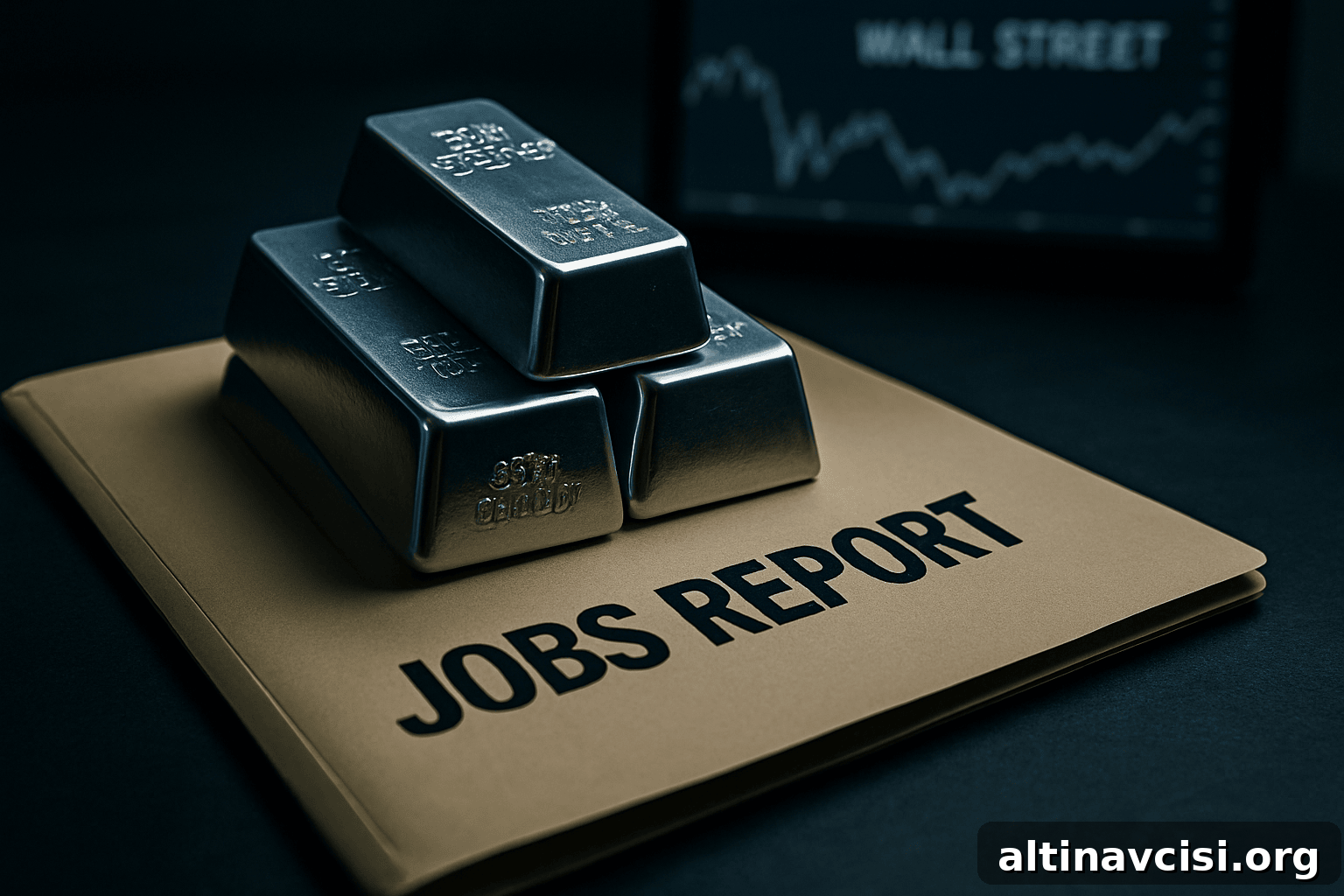
Wall Street faces an unusual double dose of employment data on Tuesday, with the JOLTS job openings report and the ADP private payrolls release arriving the same morning. Economists expect job openings to continue drifting lower, signaling a cooling labor market, while ADP is forecast to show steady hiring. Wage growth remains the key uncertainty.
Investors are focused on labor data because it directly informs Fed policy expectations. Softer readings would reinforce bets on rate cuts, a scenario markets are increasingly anticipating. If the reports confirm slowing momentum, it would strengthen the case for lower interest rates, which historically supports precious metals by lowering the opportunity cost of holding them. Conversely, stronger-than-expected figures could spark volatility as traders reassess the Fed’s path.
Korea Zinc Weighs U.S. Joint-Venture Smelter to Tap IRA Incentives
Korea Zinc, the world’s largest lead and zinc producer, is considering a U.S. smelter built under a federal joint-venture structure to qualify more output for Inflation Reduction Act subsidies. The move aims to bolster domestic processing of critical minerals used in batteries, solar panels, and electronics and reduce reliance on overseas refining capacity.
The plan is at the board discussion stage, but the broader logic is evident: U.S. policy is pushing for more onshore processing while mineral producers seek incentive access. A stateside smelter could shift global refining patterns and lessen dependence on certain foreign processing hubs.
For investors, changes to refining infrastructure can ripple through metals markets. While this development doesn’t directly involve gold or silver, it highlights a trend toward securing critical supply chains. When nations and companies reconfigure processing capacity, it can tighten supplies and create upward pressure on hard-asset prices.
Oil Climbs on U.S.–Venezuela Tensions, Raising Inflation Concerns
Crude oil jumped after the U.S. signaled it may tighten sanctions on Venezuela amid escalating diplomatic tensions. Brent crude moved past $80 a barrel as traders priced in potential supply disruptions that could strain an already fragile energy market.
Rising energy costs filter quickly into the broader economy by raising transportation expenses, squeezing corporate margins, and reviving inflation worries just as central banks attempt to bring prices down. Bond markets reflected the shift, with breakeven inflation expectations nudging higher.
If energy prices continue to climb, the Fed could face a tougher trade-off between controlling inflation and supporting growth. Historically, energy-driven inflation episodes boost demand for safe-haven assets like gold, which tends to perform well when real rates decline or price pressures outpace yields.
Fed’s Miran Argues Inflation Isn’t What It Seems — Policy “Too Tight”
Federal Reserve Governor Stephen Miran reiterated his view that current inflation readings overstate true supply-and-demand pressures and that policy remains tighter than necessary. Miran said components such as elevated shelter costs, driven by pandemic-era distortions, should ease, and that services inflation is likely to moderate as the labor market cools.
Miran has repeatedly dissented at recent FOMC meetings, advocating for larger, quicker cuts than the Committee has implemented. He argues some inflation measures reflect statistical quirks rather than persistent consumer price increases. His stance contributes to a growing dovish faction within the Fed that sees labor-market weakness as a greater near-term risk than runaway inflation.
For metals investors, his perspective bolsters the case for deeper rate cuts ahead — a key driver behind the current rally in gold and silver.
Stay On Top of Gold & Silver Prices
Get important market alerts sent straight to your inbox.