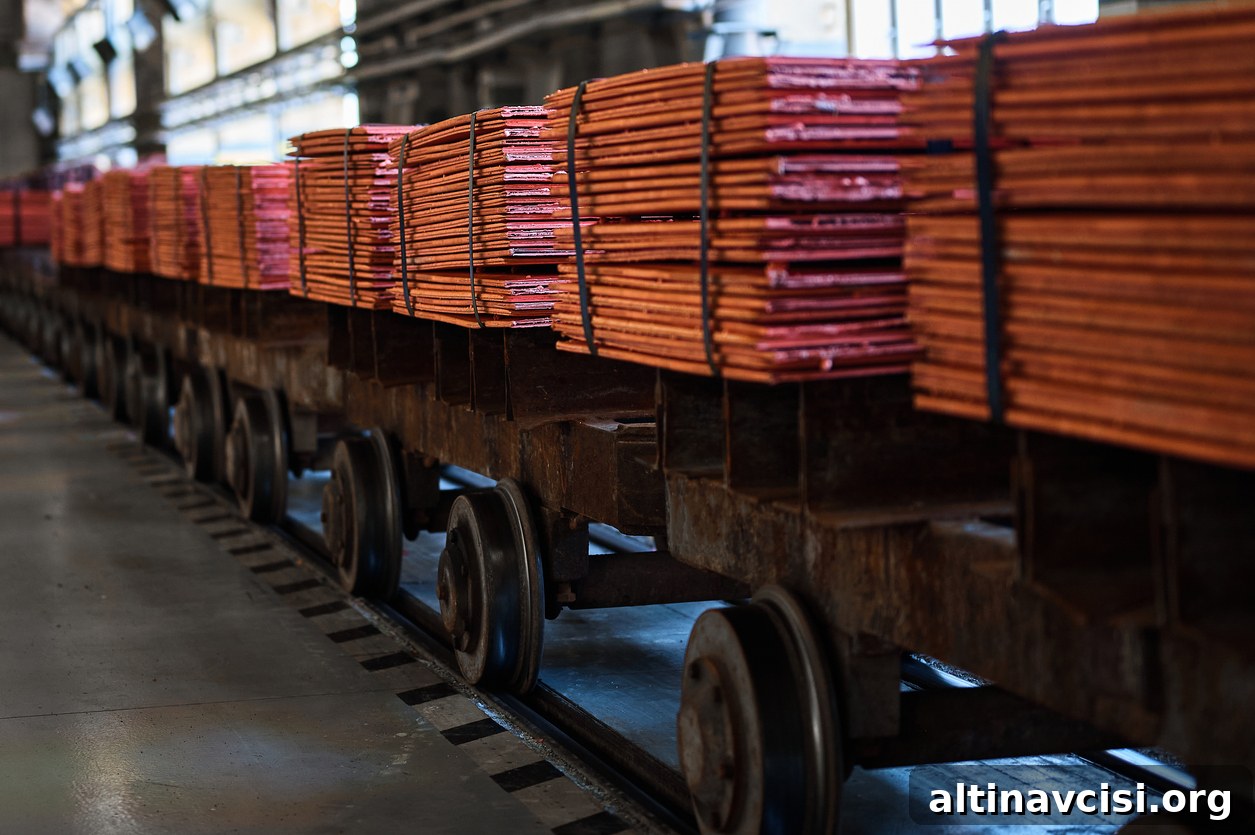
Metal markets are experiencing a strong upswing, with copper joining gold, silver and platinum in a broad rally. Year-to-date, gold and silver have each risen by roughly 26%, platinum has surged about 49%, and copper has climbed nearly 12% following a newly announced 50% import tariff on refined copper.
What is driving this surge, and what might it mean for markets and the wider economy? Three main points stand out:
– Metals are gaining ground even though headline inflation readings are not at peak levels, implying that investors and commodity markets may be pricing in future inflationary pressures, policy shifts, or other risks that are not yet evident in official consumer price indexes.
– The tariff on imported copper is intended to encourage more domestic production and protect U.S. industry, but it could also increase input costs for American manufacturers, builders and infrastructure projects that rely on copper, potentially raising overall project costs and contributing to price pressures in related sectors.
– The copper market is tightening. Demand for copper is expected to expand, driven by electrification, renewable energy buildouts and broader industrial needs, while supply growth is constrained. Developing new copper mines typically takes a decade or more from discovery to full production, and current ongoing expansions are limited, which can make supply slow to respond to rising demand.
Together, these factors help explain why a range of metals are rallying. Investors appear to be positioning for structural demand growth in commodities and for policy or economic developments that could push prices higher in the months ahead. At the same time, trade policy measures like tariffs can have mixed effects: they may stimulate domestic production over time but can also raise short-term costs and disrupt supply chains.
For end users and policymakers, the implications are clear: higher metals prices can increase capital and operating costs for manufacturing and construction, and supply constraints mean that anticipating demand and investing strategically in domestic capacity, recycling and alternative sourcing will be important. For investors, the current environment underscores why precious and industrial metals often play roles as inflation hedges and portfolio diversifiers when uncertainty about policy and supply dynamics increases.
In short, the metal rally reflects a mix of market expectations, policy actions and structural supply-demand imbalances. Watching how tariffs, mine development timelines and demand trends evolve will be key to understanding whether recent price gains are sustained or moderate as conditions change.