Key Takeaways
- Hong Kong aims for a July 2026 trial of a government-backed gold clearing platform — the first Asian clearing infrastructure focused on physical gold settlement in Asian time zones.
- Asia accounts for roughly 60% of annual global gold demand, yet the LBMA benchmark set in London remains the global pricing reference. The new platform creates parallel infrastructure centered on physical delivery instead of paper contracts.
- For holders of physical gold: improved price discovery for real metal over time should be supportive for allocated, physically stored gold versus paper proxies.
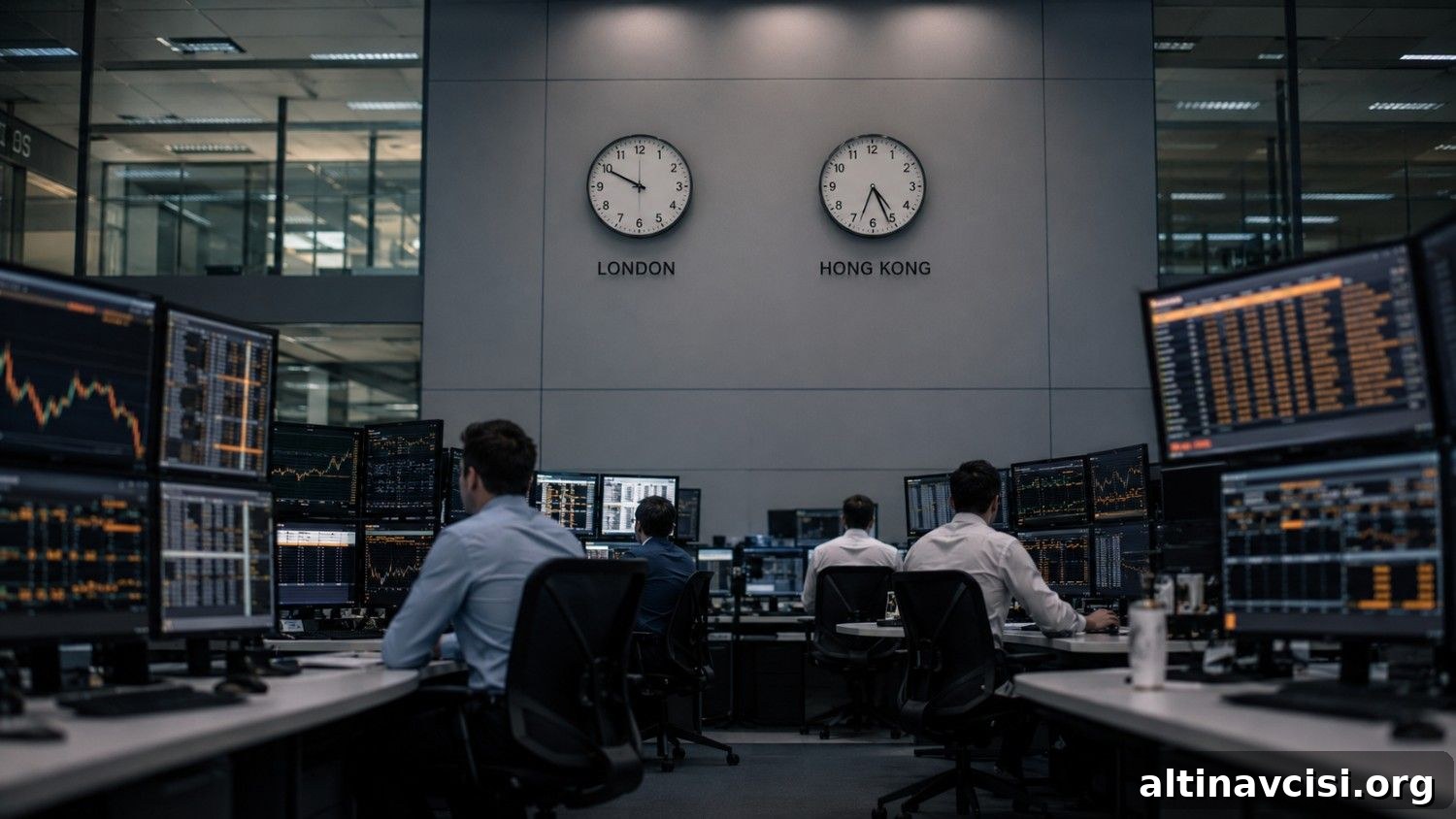
For most of the past century, gold price discovery has been centered in London — run by a small group of institutions, dominated by paper contracts, and tied to a time zone that is far into its day when Asian markets open.
That matters because Asia buys about 60% of the world’s gold, yet pricing is still largely set in Europe’s working hours.
Bloomberg reported that Hong Kong plans to establish a central gold clearing platform: the Hong Kong Precious Metals Central Clearing Company. Government-owned and working with the Shanghai Gold Exchange, the entity targets trial operations in 2026 pending regulatory sign-off, though an exact date has not been confirmed publicly.
As of 1:35 PM ET on May 20, 2026, spot gold was quoted near $4,533 per ounce, up about 1.1%, while silver traded near $75.91, up around 3.0%.
What Is the Hong Kong Gold Clearing Platform?
Today, spot gold in Hong Kong typically settles through bilateral arrangements between buyers and sellers. A central clearing house removes that friction by becoming the counterparty to both sides — the same model used by London Precious Metals Clearing Limited (LPMCL). The planned Hong Kong entity will support unallocated accounts, enabling faster settlement without requiring ownership of specific bars.
Hong Kong’s Financial Secretary Paul Chan described the shift at the LME Asia Metals Seminar on May 7, noting that the “centre of gravity in gold trading is shifting eastward.” The Shanghai Gold Exchange, which signed a cooperation agreement in January 2026, will contribute technical standards, regulatory input, and risk management support.
The Edge Every Investor Needs
Smarter precious metals investing starts here. The Nuggets Newsletter offers market insights, central bank updates, regional trends, and educational content.
Why Does London Still Dominate Gold Price Discovery?
The LBMA clears more than 20 million ounces of gold daily in London. Its twice-daily price auction, administered by ICE Benchmark Administration with direct participants including major global banks, serves as the global benchmark. That benchmark influences central bank reserve valuations, mining contracts, and pricing for gold ETFs worldwide.
The structural issue is timing and infrastructure: the benchmark operates on European hours centered on loco London. When Shanghai opens and Chinese buyers are the largest physical market, they reference a system not optimized for their trading hours or settlement needs.
Hong Kong Exchanges and Clearing (HKEX) tried to establish a stronger local market before — launching gold futures in 2008 and attempting again in 2017 — but both efforts lacked the supporting ecosystem: vaults, clearing, and regulatory clarity. This current initiative involves building those components together, which increases its chance of lasting impact.
How Serious Is the Infrastructure Commitment?
The Hong Kong Airport Authority has targeted more than 2,000 tonnes of gold storage capacity within three years. The government is also proposing tax incentives, including a potential 50% profits tax concession for eligible commodity trading — a direct effort to compete with regional hubs such as Singapore and Dubai.
Hong Kong lawmaker Robert Lee Wai-wang has expressed optimism, noting that unlike previous attempts driven solely by an exchange, this effort includes government-backed clearing and storage and benefits from mainland China’s support for Hong Kong as a trading hub.
These commitments are important because credible reform of price discovery depends on physical infrastructure. Without vaults, clearing arrangements, and financial incentives, a futures market or benchmark mechanism lacks the foundation to attract sustained participation.
What Does This Mean for Gold Price Discovery in Asia?
The global gold market averaged large daily volumes in 2025, much of it in paper form — unallocated claims, futures, and OTC derivatives. As a result, the LBMA benchmark largely reflects dynamics of that paper market rather than physical scarcity.
If the region that buys the most physical gold controls its own settlement infrastructure, physical demand will play a larger role in price discovery. That will narrow the gap between paper gold and physical allocated gold over time.
Allocated, physically held gold is a direct claim on metal rather than a contractual promise. The Hong Kong platform is not an overnight replacement for existing benchmarks, but it represents a structural shift in who influences the market’s view of what an ounce is worth.
What to Watch
There are two main milestones. First: does the planned July trial launch take place, and can the platform handle real market stress? Operational robustness remains unproven, so look for a formal announcement from Hong Kong’s Financial Services and the Treasury Bureau.
Second: will institutional participants route meaningful volume through the new clearing house? Banks, commodity trading houses, and physical refiners are essential to giving the system liquidity. The Shanghai Gold Exchange partnership increases the likelihood that mainland institutional flows will participate.
On price action, near-term technical levels are notable: around $4,500 per ounce is a support area, while reclaiming $4,600 would suggest a reversal of the recent 30-day downtrend.
Stay On Top of Gold & Silver Prices
Get timely market alerts sent straight to your inbox.
SOURCES
1. Speech by Financial Secretary Paul Chan at LME Asia Metals Seminar, May 7, 2026
2. Reports on Hong Kong and Shanghai Gold Exchange cooperation, January 2026
3. London Bullion Market Association clearing and pricing data
4. Coverage of Hong Kong market initiatives and storage plans
5. World Gold Council market primer and market-size estimates
6. Commentary from regional press and market observers on hub ambitions and market structure
7. Live spot gold and silver price references as of May 20, 2026
Disclaimer: This article is for informational purposes only and does not constitute financial or investment advice. Consult a qualified financial adviser before making investment decisions.
You May Also Like:
- Gold Price at ~$4,502: Is the Dip a Buy? BofA Says $6,000
- Gold Didn’t Fall on Iran Peace News. That’s the Point.
- Trump Called Off the Strike. Gold’s Real Risk Is Still $39 Trillion.
- The Gold Market Is Mostly Paper. Dubai Disagrees.
- The Institutions Are Buying. Yields Are Rising. What Does That Tell You?
- Gold Up 40% in a Year. The Moody’s Downgrade Explains Why.
- No Deal, No Premium: Why Silver Fell 7% at the Trump-Xi Summit
- Gold Fell. China Bought Its Most in 17 Months. Here’s Why.