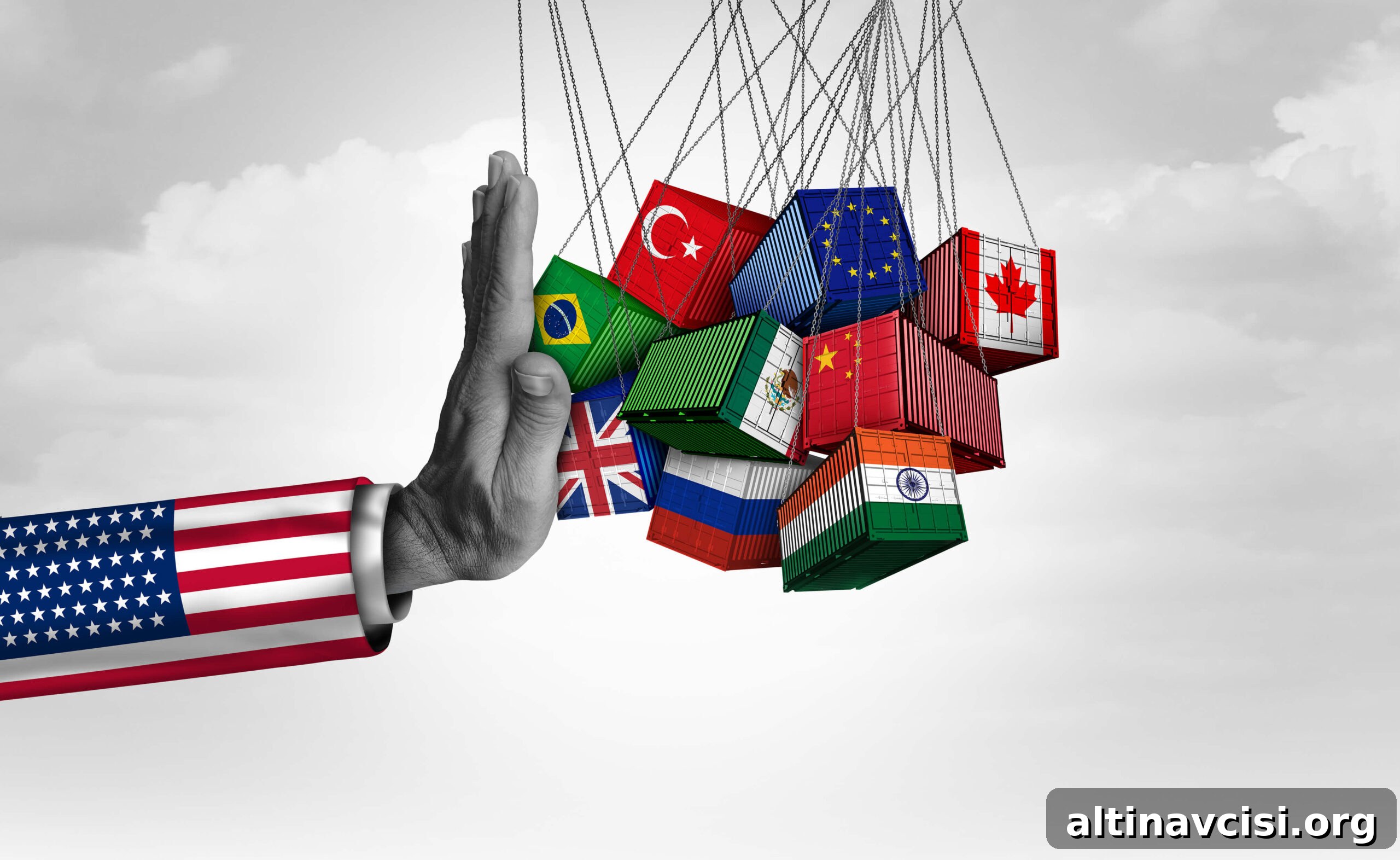
U.S. inflation is projected to increase in June, driven in large part by newly imposed tariffs on a range of consumer goods such as furniture, automobiles and toys. Economists say firms are beginning to pass higher import and production costs on to buyers, ending a period of subdued price growth that had kept headline inflation relatively tame.
The Federal Reserve faces a difficult policy choice. If it keeps interest rates unchanged while inflation accelerates, it may draw criticism for not acting forcefully enough to rein in prices. Conversely, if inflation remains subdued the Fed could justify lowering rates, which would carry its own set of risks for markets and the economy. This dilemma is heightened by recent tariff actions and ongoing strains in global supply chains.
Analysts warn that the combination of tariff-driven cost increases and stretched logistics may produce a summer of rising consumer prices. Some observers note that tariff policy can change quickly; a rollback or easing of duties could ease price pressure. For now, however, businesses appear to be adjusting prices upward to protect margins, and that shift is likely to be reflected in upcoming inflation reports.
Consumers may feel the effects most directly in categories vulnerable to tariffs and supply bottlenecks—durable goods like furniture and certain imported vehicles, as well as seasonal items and toys. Retailers and manufacturers will weigh their options between absorbing some costs, reducing profit margins, or transferring expenses to customers. The balance firms choose will influence how persistent the inflation uptick becomes.
Monetary policymakers will monitor price data closely along with labor market indicators and measures of consumer demand. If inflation proves sticky, the Fed could maintain a tighter monetary stance for longer to bring price growth back toward target. If inflation retreats, the central bank may find more room to ease policy. Either outcome will depend on how quickly tariff effects filter through supply chains and how firms respond to cost pressures.
In short, tariff changes and supply-chain disruptions have reignited inflation risks that had been subdued in recent months. The coming weeks of data will be critical for policymakers, businesses and households as they assess whether rising prices represent a temporary adjustment or the start of a more sustained trend.