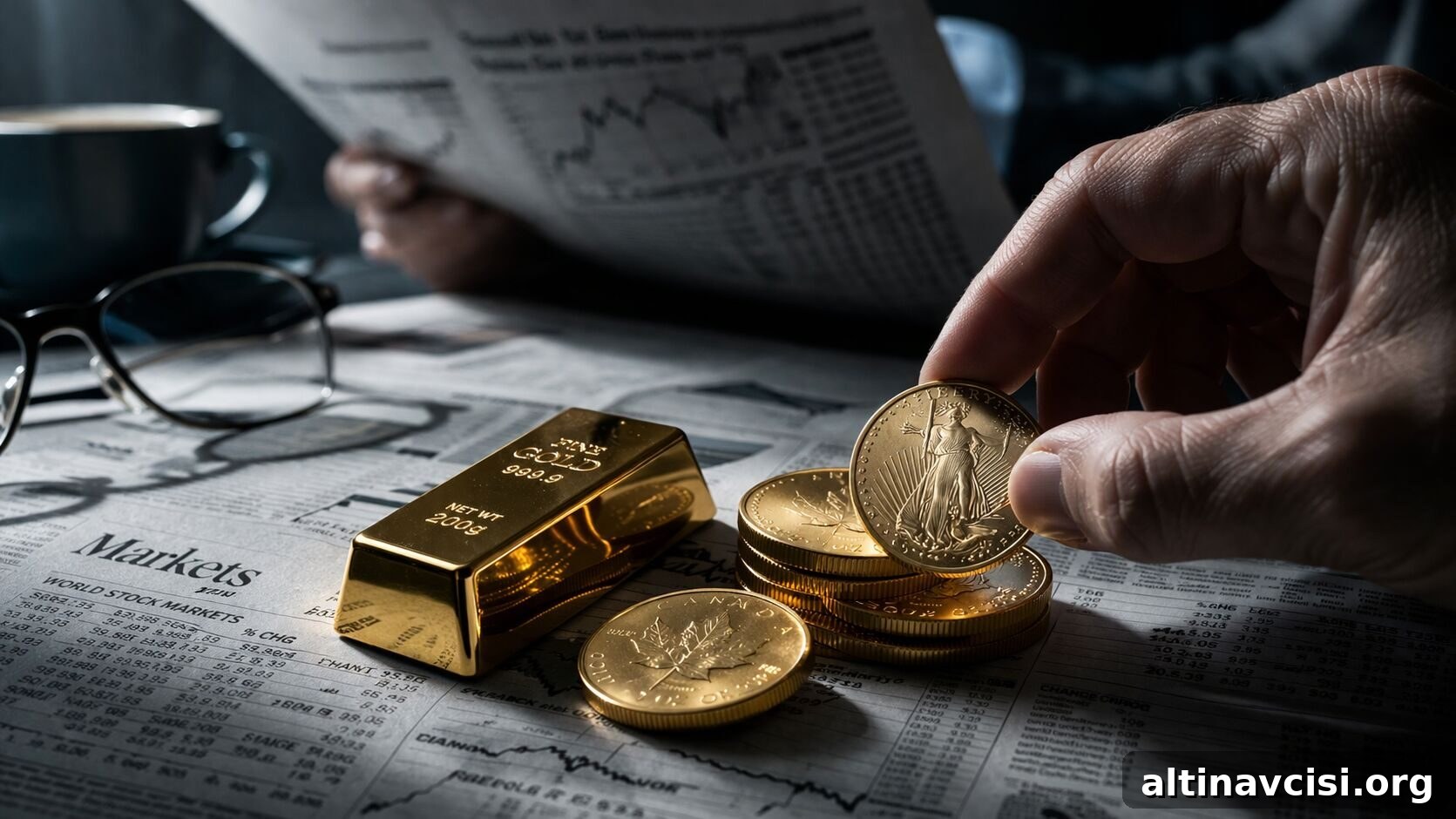
The first quarter of 2026 closed with a clear message from markets: energy prices raced higher, equities weakened, and gold, though pressured late in the month, largely held its ground. Year-to-date returns across major asset classes—from crude oil to the NASDAQ and Bitcoin—reflect this dynamic in stark terms.
Positive return
Negative return
Gold
Why Did Oil Prices Surge So Dramatically in Q1 2026?
The most eye-catching statistic is oil’s year-to-date gain—about 73.5% through March 27. That spike reflects a direct economic reaction to turmoil in the Middle East. Concerns over supply, disruptions to shipping routes and terminals, and ongoing geopolitical uncertainty all tightened the physical oil market and sent prices sharply higher across the quarter.
The move in oil rippled through the wider commodity complex: the Bloomberg Commodity Index rose more than 20% year-to-date. Taken together, these shifts signal an energy shock on a scale markets have not priced in for years, with consequences that extend well beyond energy producers.
How Are Equity Markets Responding to Rising Energy Prices?
Higher energy costs quickly feed into companies’ input expenses, inflation expectations and consumer confidence. Those channels were visible in Q1: major U.S. indices fell, with the NASDAQ down sharply and the S&P 500 lower year-to-date. Emerging markers of risk appetite such as Bitcoin also fell significantly. Even pockets of outperformance—like Japan’s Nikkei—showed signs of losing momentum into quarter-end.
Early economic indicators support a cautious outlook. The S&P Global US Flash Composite PMI slipped, indicating slower activity, while consumer sentiment deteriorated and short-term inflation expectations rose. Together, these readings suggest consumers and businesses are already feeling some of the effects of the energy-price shock.
Your Gold Buying Guide Most investors overpay when they buy gold. Then overpay again when they sell. This guide shows you exactly what to own — and why.
Is Gold Still a Safe Haven with Yields Rising?
Gold’s year-to-date gain—around 3.1% through March 27—looks modest next to oil’s surge, but context matters. The LBMA gold benchmark ended the week near the mid-$4,000s per ounce after a small weekly decline. That pullback occurred amid rising inflation expectations, a cooling of near-term rate cut bets and a broader market sell-off that prompted some investors to free up cash by trimming gold holdings.
Even so, gold maintained key technical support levels, including its long-term 200-day average and a key Fibonacci retracement range from its multi-year uptrend. Holding those levels while markets were under pressure is a constructive technical signal and reinforces gold’s role as a defensive asset in unsettled conditions.
What Does Stagflation Mean for Gold Going Forward?
Stagflation—sluggish growth paired with persistent inflation—is the worst-case scenario for many investors because conventional policy tools struggle to address both problems simultaneously. In such a setting equities face weaker earnings alongside higher rates, and bonds lose real value to inflation. Historically, gold has been one of the few assets that tends to perform well in stagflationary environments because it carries no counterparty risk and often benefits when inflation expectations rise.
If labor-market readings soften while energy-driven inflation stays elevated, stagflation would move from a theoretical risk to a practical concern. Central bank actions and strategic holdings by official institutions also matter: while some headlines have highlighted isolated sales or swaps, strategic motivations for holding gold remain broadly intact—today’s geopolitical environment arguably reinforces that rationale.
Stay On Top of Gold & Silver Prices
Get important market alerts sent straight to your inbox.
People Also Ask
Why did oil prices rise so much in early 2026?
Oil jumped roughly 73.5% year-to-date through March 27, driven largely by the Middle East conflict. That situation tightened supply expectations, disrupted shipping in key corridors and sustained a higher-risk premium for energy markets. The broader commodity index also rallied strongly, underscoring the spillover effects of an acute energy shock.
How did gold perform compared to stocks in Q1 2026?
Gold rose modestly year-to-date while major equity indices fell. That relative stability is consistent with gold’s historical role as a portfolio diversifier and a partial hedge during episodes of heightened market stress.
What is stagflation and why is it bad for stocks but good for gold?
Stagflation combines slowing growth with persistent inflation. It is challenging because policy responses that tackle one problem can worsen the other. Equities typically suffer from weaker earnings and higher discount rates, while bonds lose purchasing power. Gold has historically been resilient during stagflationary periods, benefiting from inflation protection and acting as a non-paper asset in portfolios.
Is now a good time to buy gold given the market uncertainty?
Gold experienced a pullback in March but held key long-term technical support levels. Analysts note that short-term risks exist, yet medium-term fundamentals—heightened stagflation risk, central bank demand and a shift in rate-cut expectations—offer constructive support for gold’s outlook. Investment decisions should be based on individual goals and risk tolerance.
Sources
- World Gold Council, Weekly Markets Monitor: Conflict Pressure Mounts, March 30, 2026. Primary source for asset-class return data and gold metrics.
- Bloomberg, via World Gold Council. Underlying price and returns data including the Bloomberg Commodity Index (BCOM), DXY and equity indices.
- S&P Global Market Intelligence, US Flash PMI Signals Further Growth Slowdown in March, March 2026. Source for the composite PMI reading and growth indications.
- University of Michigan, Surveys of Consumers, March 2026 (Final). Source for consumer sentiment and short-term inflation expectations.
- ICE Benchmark Administration / LBMA, LBMA Gold Price PM. Benchmark reference for the weekly gold close.
- World Gold Council, Gold Outlook 2026: Push Ahead or Pull Back, December 2025. Context on medium-term drivers for gold.
- World Gold Council research on gold and stagflationary periods, including historical performance going back to the 1970s.
- World Gold Council, Gold Return Attribution Model. Source for return-attribution analysis and opportunity-cost factors.
This article is for informational purposes only and does not constitute financial or investment advice. Consult a qualified financial advisor before making investment decisions.
You May Also Like:
- Is a Policy Reversal Coming? What the Conflict Pressure Index Means for Gold
- Gold ETFs Are Booming. But Do You Actually Own Gold?
- Silver Demand by Sector: Industry, Jewelry & Investment
- Small Market, Big Swings: Why Silver Is More Volatile Than Gold
- Is Now a Good Time to Swap Silver for Gold?
- Should I Buy Gold Now? What Most Investors Get Wrong
- 87% Dollar Devaluation Since 1971: Why Central Banks Keep Buying Gold
- How to Roll Over Your 401(k) Into a Gold IRA