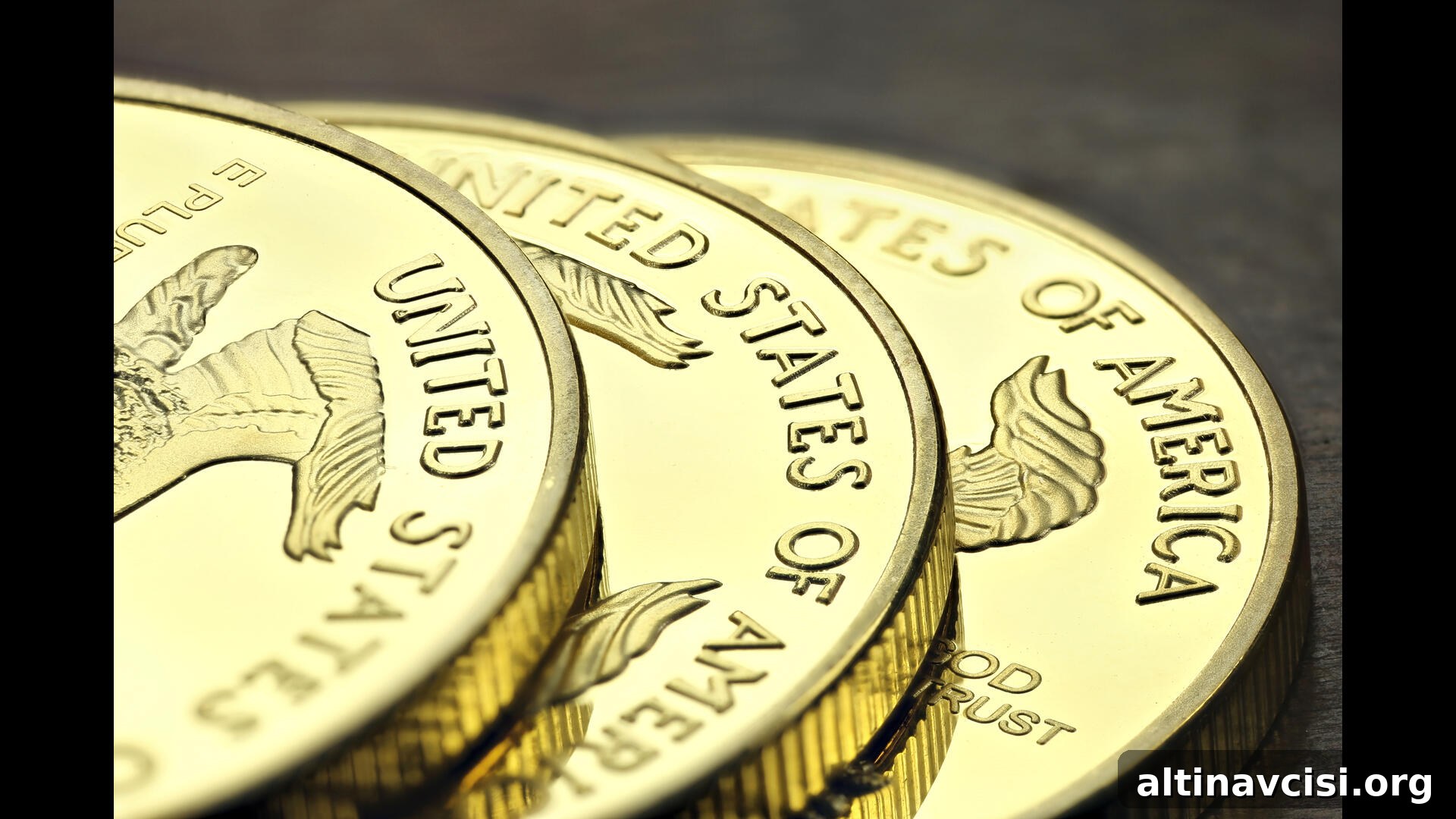
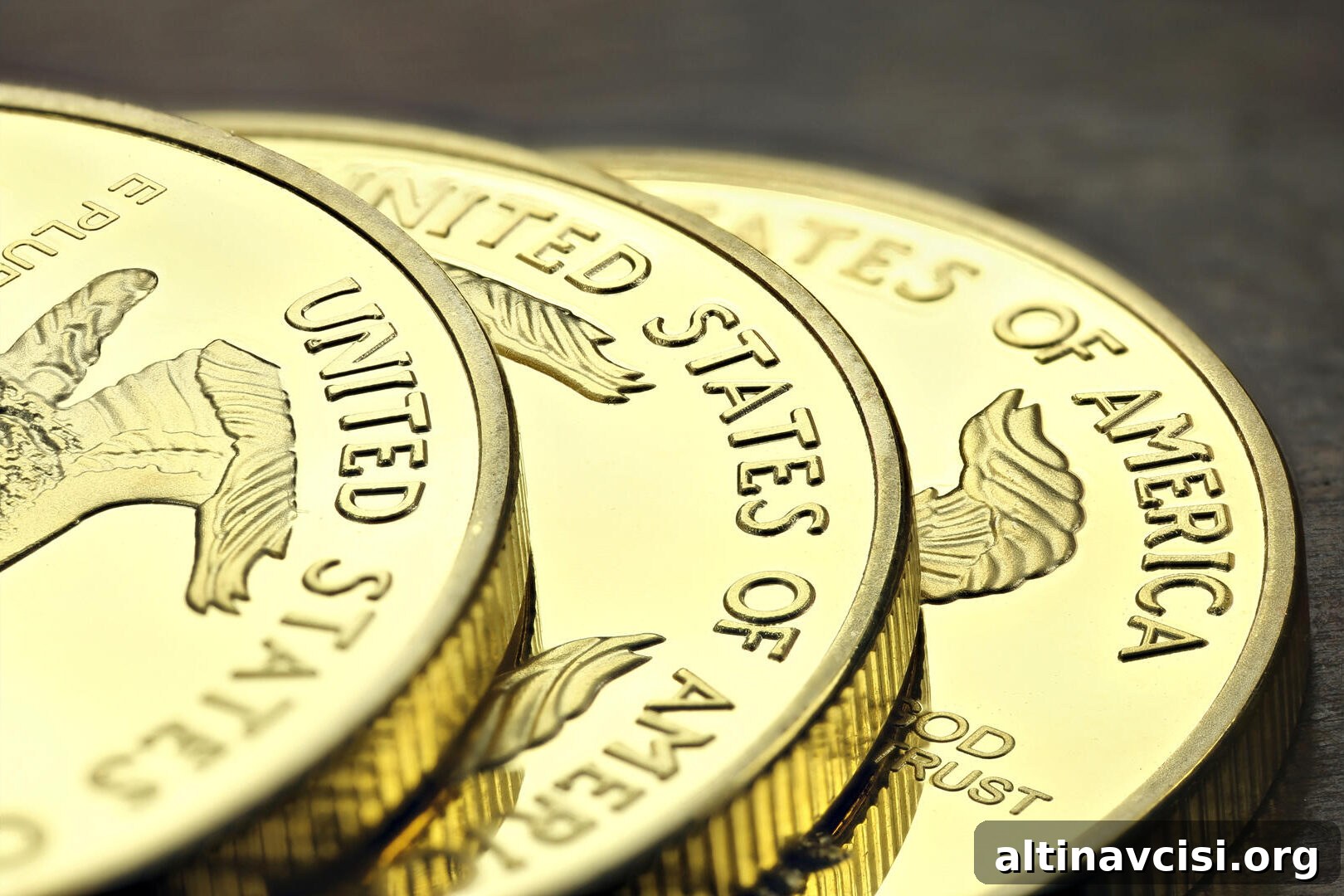
Gold and silver have long been more than decorative metals; they have been foundational to trade, finance, and monetary confidence around the world. Over centuries, societies have relied on these metals not only for their intrinsic beauty but also for their stability-enhancing qualities. Exploring how gold and silver support economic stability reveals lessons that remain relevant to investors and policymakers today.
A historical perspective on gold and silver coinage clarifies why these metals still play an important role in modern portfolios. Their enduring link to monetary stability explains why investors turn to precious metals for diversification and long-term value preservation amid market uncertainty.
Ancient Foundations of Monetary Stability
The earliest known coins—made from electrum—appeared in 7th-century BCE Lydia. By transforming naturally occurring gold and silver into standardized pieces of currency, Lydians simplified trade and established a model that spread across the ancient world. Precious metals offered distinct advantages: durability, scarcity, divisibility, and wide acceptability.
Rome provides a clear example of how metal coinage fosters economic cohesion. Roman coins in gold, silver, and bronze standardized transactions across a vast territory, reducing transaction costs and supporting economic integration. Such standardization helped stabilize trade and underpinned economic growth across the empire.
The Bimetallic System: Global Stability Through Balance
In the early 19th century, France formalized bimetallism with the Napoleonic law of 1803, linking currency values to both gold and silver at fixed rates. That approach created a self-adjusting mechanism: when silver abundance caused it to circulate more widely, gold tended to be hoarded, and when gold became relatively more available, silver circulated more freely. This balancing effect reduced sudden shocks and helped stabilize international exchange for decades.
France’s bimetallic model demonstrated that pairing two precious metals can serve as an effective buffer against monetary disturbances, promoting international trade stability and predictable exchange relationships.
Investing in Physical Metals Made Easy
America’s Evolving Coinage: Lessons in Adaptation
The United States initially adopted a bimetallic standard with the Coinage Act of 1792. Maintaining a stable relationship between silver and gold proved challenging, however. The official silver-to-gold ratio failed to match market realities, causing one metal to dominate circulation while the other disappeared (an example of Gresham’s law). Adjustments, including the Coinage Act of 1834, temporarily restored balance by changing the ratio. Yet by 1873 the U.S. moved toward the gold standard, a shift that triggered political backlash and highlighted how removing a monetary pillar can create instability.
Silver’s Unique Role: Currency Meets Commodity
Silver occupies a hybrid role as both a monetary metal and an industrial commodity. Its uses span electronics, solar technology, and various industrial applications, which adds demand drivers that differ from gold’s primarily monetary and investment demand. That duality increases silver’s price volatility but also provides upside potential when industrial demand rises.
For investors, recognizing silver’s dual nature helps calibrate risk and opportunity. Silver bullion can experience sharper price swings than gold, yet those swings can reward diversified strategies that include both metals as complementary hedges.

Invest Now
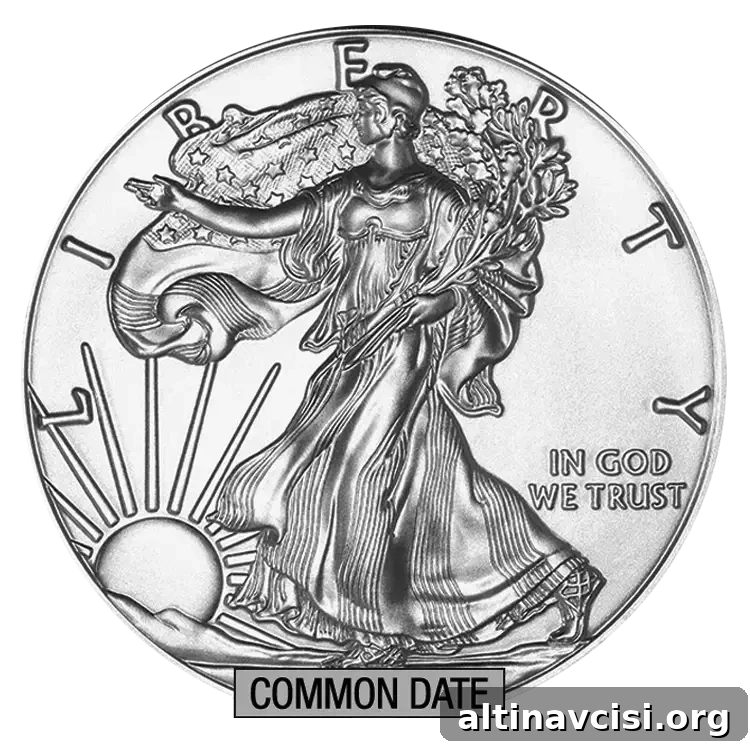
Invest Now
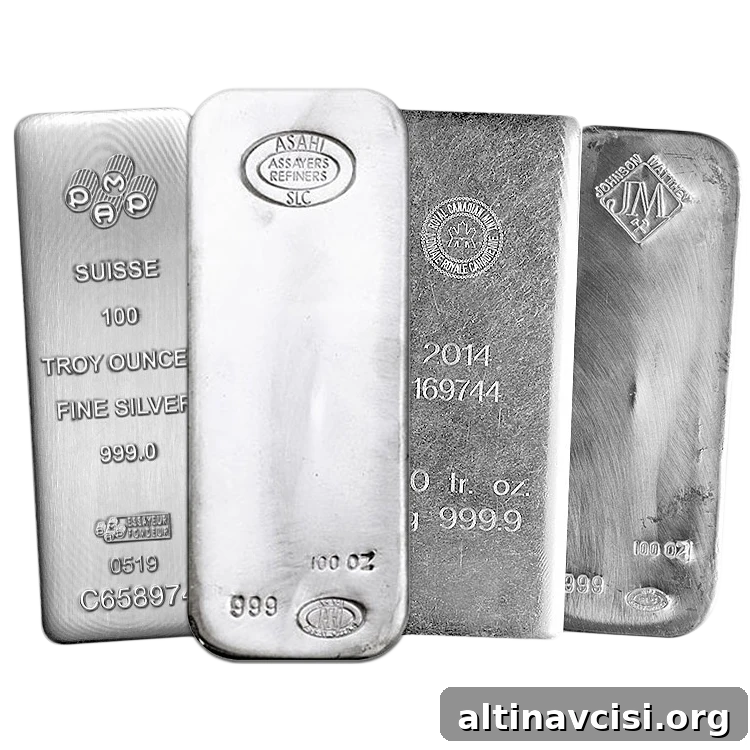
Invest Now
Invest Now
Policy Insights from History
The long-term record of gold and silver provides useful perspective for contemporary monetary policy. Research and expert reports frequently highlight gold’s role as a hedge against inflation and systemic risk. Historical bimetallic arrangements demonstrate how cooperation and balanced frameworks anchored to tangible assets can foster lasting stability, while the collapse of such systems often produces deflationary pressures or inflationary spikes.
In recent years, central banks—particularly in emerging markets—have increased gold holdings as a reserve asset. This trend reflects renewed confidence in gold’s capacity to preserve value amid geopolitical tensions and high global indebtedness.
Modern Investing: Echoes of the Past
Gold and silver have a long track record of resilience during crises. Their performance through recent global disruptions underscores their role as insurance within diversified portfolios. Investors use precious metals to guard against currency devaluation, inflation, and fiscal uncertainty while seeking exposure that is historically uncorrelated with many financial assets.
Access to physical bullion, vault storage, and regulated retirement products has never been easier, enabling investors to apply historical lessons about monetary metals to current strategies.
Conclusion: Why Gold and Silver Still Matter
From ancient Lydia to modern markets, gold and silver have repeatedly demonstrated properties that strengthen economic stability: limited supply, durability, and broad trust. These attributes make them enduring components of prudent wealth preservation and portfolio diversification strategies.
When building or refining a portfolio, consider how gold and silver can serve as stabilizing elements. Whether held as sovereign coins, allocated to secure vaults, or included in retirement accounts, precious metals remain relevant instruments for protecting purchasing power and managing systemic risk.
Get Gold & Silver Insights Direct to Your Inbox
Join thousands of investors who receive expert analysis, market updates, and exclusive offers every week.
- ⏰ Timely alerts on major price moves and important events
- 📢 Market updates from experienced analysts
- 💡 Strategies to help navigate changing markets

This article is provided for informational purposes only and should not be considered investment advice. Always conduct thorough research or consult qualified financial professionals before making investment decisions.