🌆 Evening News Nuggets | Today’s top stories for gold and silver investors
April 8th, 2026 | Brandon Sauerwein, Editor
The ceasefire between the United States and Iran is already showing signs of strain. At the same time, the Federal Reserve appears divided over its next move, leaving uncertainty around monetary policy at a cycle high. Below is a concise, investor-focused summary of what today’s developments mean for markets, especially gold and silver.
Why Is Iran Saying the U.S. Already Violated the Ceasefire?
The ceasefire declared Tuesday night is already under dispute. Iran’s parliamentary speaker, Mohammad Bagher Ghalibaf, accused the U.S. of breaching three elements of the agreement within hours: continued Israeli strikes in Lebanon, a drone entering Iranian airspace, and limits on Iran’s enrichment rights. Those claims underscore how quickly differing interpretations can unravel a fragile pause in hostilities.
Part of the confusion stems from each side describing different terms. Former President Trump framed the deal as a “COMPLETE, IMMEDIATE, and SAFE OPENING” of the Strait of Hormuz, while Iran’s foreign minister said passage would require coordination with Iran’s armed forces and take technical limits into account. Reports also indicated Iran and Oman discussed transit fees, a detail the White House reportedly rejected. With no formal written text and public announcements made through separate channels, parties are free to assert divergent versions of the same agreement.
The Edge Every Investor Needs
Smarter precious metals investing starts here. The Nuggets Newsletter brings you essential market insights, Fed updates, global trends, educational videos, and timely analysis investors rely on.
What Did Iran’s Parliamentary Speaker Say?
Ghalibaf emphasized long-standing mistrust of the United States, citing a pattern of broken commitments and saying that under current conditions a bilateral ceasefire or direct negotiations were unreasonable. His comments reinforce how political rhetoric is shaping perceptions and could hinder efforts to stabilize the situation quickly.
The status of Lebanon remains contested: Pakistan signaled the ceasefire included Lebanon, while Israel and the U.S. said it did not. Because no official written text has been released and announcements were made through separate channels, competing narratives will persist until a clear, verifiable agreement is published.
What Does the Ceasefire Mean for Oil Prices?
The market reacted immediately: oil plunged more than 15% to roughly $95 per barrel on the ceasefire news. That drop reflects relief about diminished near-term disruption risk, since the Strait of Hormuz previously handled about 20% of global oil supply. However, tanker traffic has not yet returned to normal, and operational constraints could persist. The price decline may therefore be a partial correction rather than a sign the underlying risk is fully resolved. The coming weeks will determine whether this pause becomes a durable de-escalation or another short-lived lull.
What Do the Fed’s March Meeting Minutes Show?
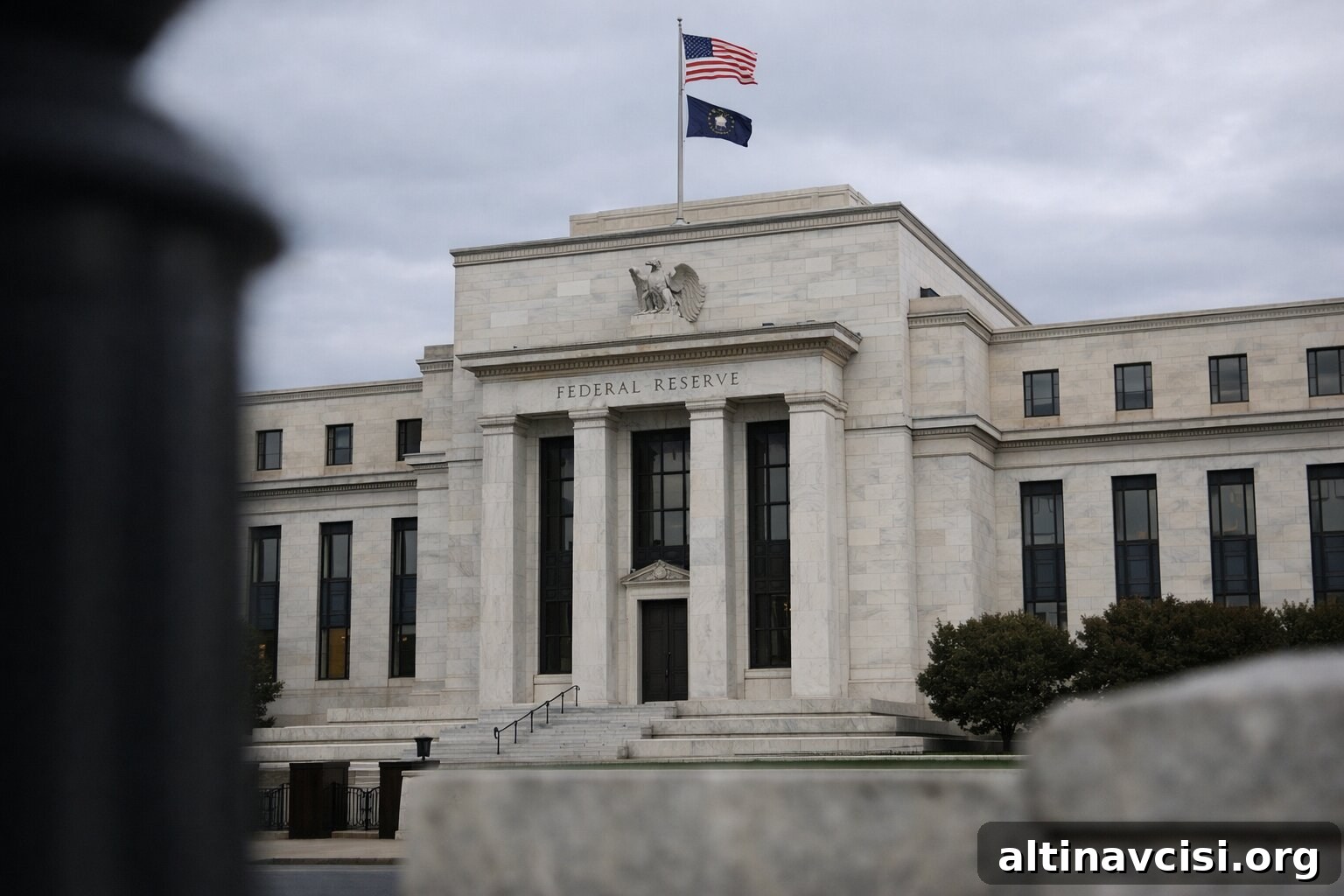
Minutes from the Fed’s March 17–18 meeting reveal a central bank wrestling openly with uncertainty. Officials differ on whether to hold rates steady, cut them, or even consider further hikes. That split has grown since January: more policymakers are reportedly open to rate increases, while many still see a rate cut as the likely next major move if labor market conditions soften.
The root of the divide is linked to recent oil-driven inflationary pressure. Higher oil prices earlier in the conflict pushed inflation up while also weighing on consumer spending. Fed Chair Jerome Powell noted that an oil shock can simultaneously exert upward pressure on inflation and downward pressure on spending and employment, complicating the policy outlook.
Why Is the Fed Caught Between Cutting and Holding?
The conflict’s impact on energy prices created a split incentive. If oil-driven inflation proves transitory and crude remains lower, the argument for keeping rates high weakens and a cut becomes more plausible. Conversely, if inflation remains persistent, officials may prefer to hold or even raise rates to keep inflation expectations anchored. The Fed’s target inflation rate is 2%, and headline inflation has stayed above that level for years, so decisions hinge on incoming data.
Investors should watch the March inflation report due this Friday and the next FOMC meeting scheduled for April 28–29. Markets will likely price Fed expectations around those releases; a softer inflation print would increase the odds of cuts later in the year, while a hotter reading would reinforce the case for holding rates steady or tightening further.
For context, the federal funds target has been 3.5%–3.75% since December 2025, and the current U.S. prime rate sits higher. Those levels matter for real yields, which in turn influence precious metals demand: lower real rates typically support higher gold and silver prices, while rising real yields can weigh on them.
Stay On Top of Gold & Silver Prices
Get important market alerts sent straight to your inbox.
SOURCES
1. CNBC — U.S. Has Violated Ceasefire Agreement, Iran Parliamentary Speaker Says
2. CNBC — Fed Meeting March 2026: Powell Says Inflation Isn’t Coming Down as Much as ‘Hoped’
3. NBC News — Live Updates: Iran War Ceasefire Begins
4. Al Jazeera — U.S.-Iran Ceasefire Deal: What Are the Terms, and What’s Next?
5. Associated Press — More Federal Reserve Officials See Possible Rate Hikes This Year, Minutes Show
6. Charles Schwab — Fed Holds Rates Steady, Still Sees One Cut in 2026
7. Quartz — Fed Minutes Show Divide Over Iran War Inflation, Rate Cuts
8. Federal Reserve — FOMC Meeting Calendars and Information
9. World Gold Council — Gold Research and Historical Price Data
This article is for informational purposes only and does not constitute financial or investment advice. Always consult a qualified financial advisor before making investment decisions.
You May Also Like
- Iran Ceasefire Sends Gold to $4,800 — Now What?
- War Risk, Stagflation Signals, and a $6,300 Gold Target
- Gold and Oil Brace for the Strait of Hormuz Deadline
- Iran War Deadline Puts Gold and Silver Prices on Edge
- Why Is Gold Falling When the World Is on Fire?
- Gold Jumps 2% as Trump Plans Iran War Address Tonight
- Gold Is Rising Again. The Reason May Surprise You