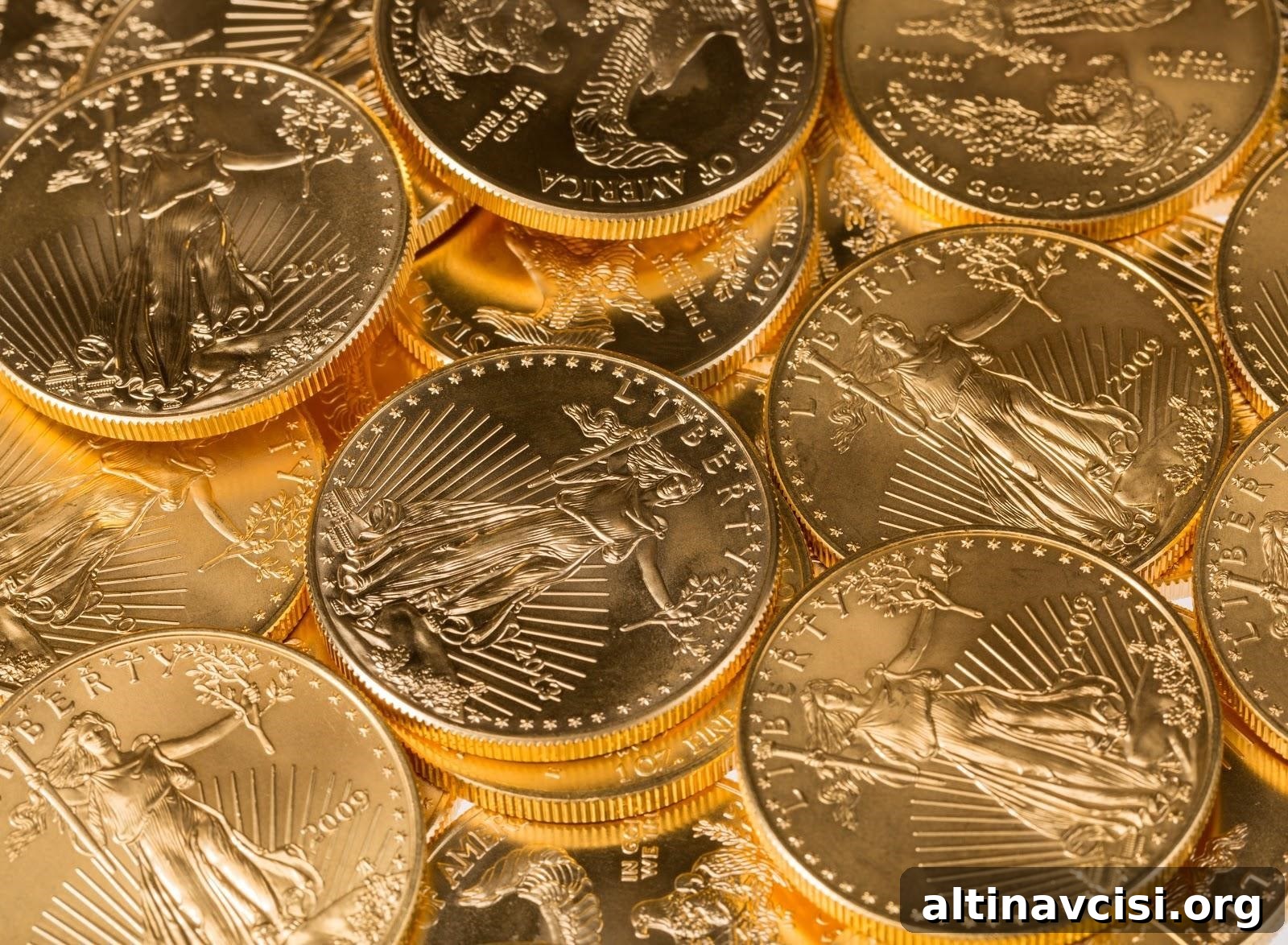
Gold prices slipped as much as 1.4% to trade near $3,200 an ounce, extending a weekly decline of roughly 3.5%. The pullback reflects two main forces: profit-taking after recent rallies and a dip in safe-haven demand as US-China trade tensions ease.
Christopher Wong of Oversea-Chinese Banking Corp. says gold is showing signs of “fatigue” as reduced trade frictions lower market uncertainty. Even with the recent drop, gold has risen more than 20% year-to-date, and UBS Group’s chief investment officer continues to highlight the metal’s role as a portfolio diversifier.
Several factors underpinned gold’s strong gains earlier this year: robust inflows into gold-backed exchange-traded funds (ETFs), sizable central bank purchases, and speculative demand from China. Despite the advance, current prices sit roughly $300 below the metal’s recent all-time high, leaving room for market watchers to assess whether the recent correction is temporary or the start of a longer consolidation.
Short-term price action is likely to be influenced by a mix of technical selling from investors locking in profits and shifts in global risk sentiment tied to trade developments and macroeconomic data. If trade relations continue to improve and risk appetite rises, gold could face further pressure as investors rotate back into riskier assets. Conversely, renewed geopolitical or economic uncertainty could restore safe-haven demand and support prices.
For investors, the recent pullback offers a chance to reassess exposure. Long-term drivers—central bank buying, ETF accumulation, and persistent demand from key markets—remain intact, supporting gold’s role as a hedge against inflation and currency weakness. However, near-term volatility underscores the importance of position sizing and a clear investment horizon when considering gold allocations.
Analysts and traders will monitor incoming economic data, central bank signals, and any developments in US-China relations closely. Those elements will help determine whether the metal resumes its uptrend toward prior highs or spends more time consolidating around current levels.