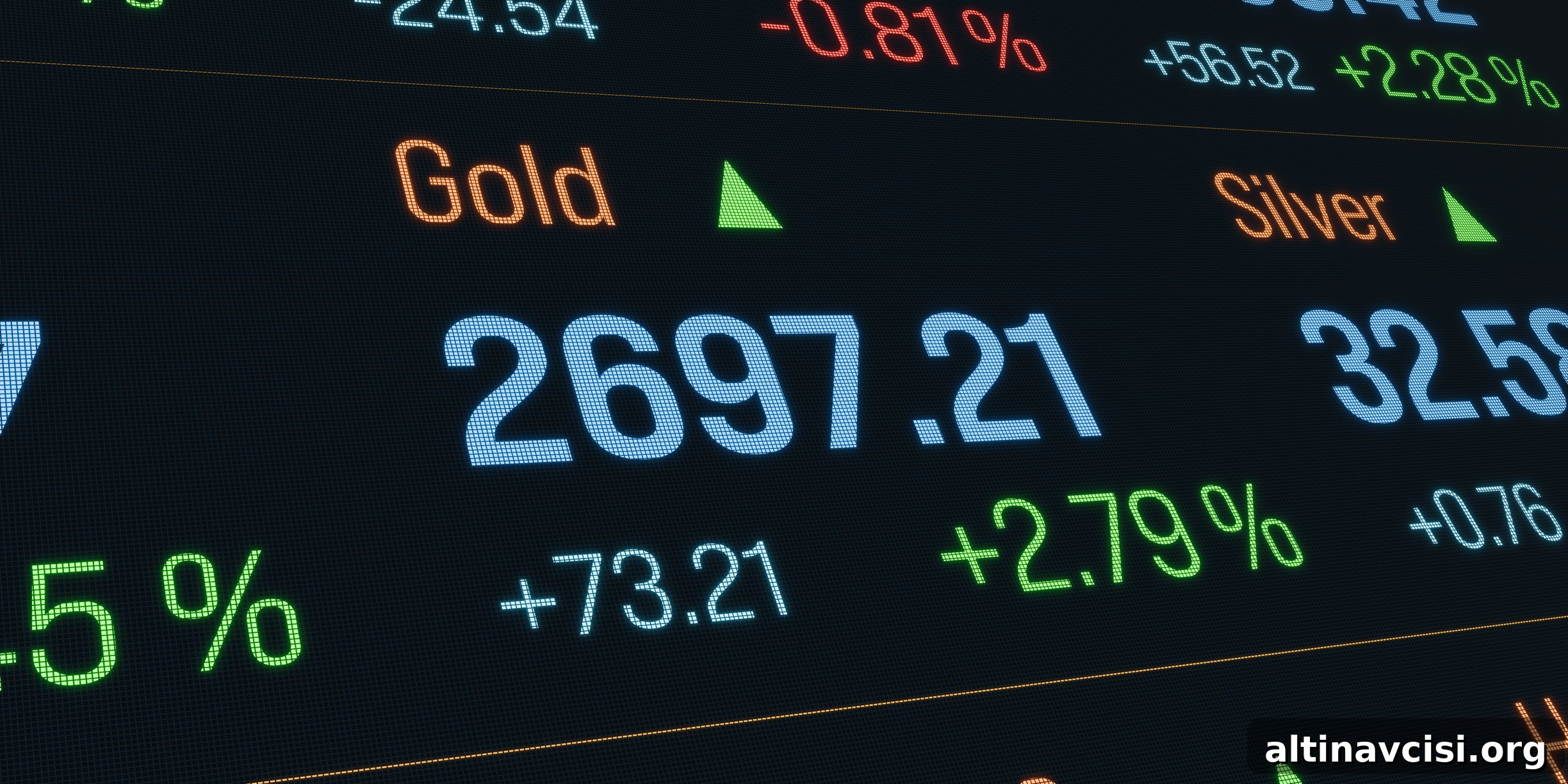
Gold prices are rising toward their highest levels since early November, trading near $2,725 an ounce, after markets reacted to President Trump’s announcement of planned 25% tariffs on Mexico and Canada.
Although China was temporarily spared from immediate tariffs, the suggestion that broader, potentially universal import tariffs remain under consideration has kept market uncertainty elevated.
The advance in bullion reflects both the immediate market response to trade tensions and wider uncertainty about the new administration’s economic policies.
Silver showed a notable reaction as well, briefly spiking about 1.2% to $31.525 an ounce, a move magnified by Mexico’s role as the world’s largest silver producer.
Beyond the trade-driven shock, gold’s momentum is supported by several underlying factors: possible inflationary pressures stemming from proposed tax cuts and increased fiscal spending, ongoing geopolitical risks, and continued central bank purchases.
Analysts note that the interaction of tariff announcements and a resulting shift toward risk aversion in equity markets could further strengthen gold’s appeal as a safe-haven asset. Some analysts also warn that higher interest rates would be a countervailing force, but for now the metal’s bid is being sustained by a mix of policy uncertainty and demand from institutional and central bank buyers.
In sum, the recent tariff news has reinforced gold’s role as a hedge against policy-driven uncertainty, while precious metals such as silver remain sensitive to supply profiles and country-specific exposures.