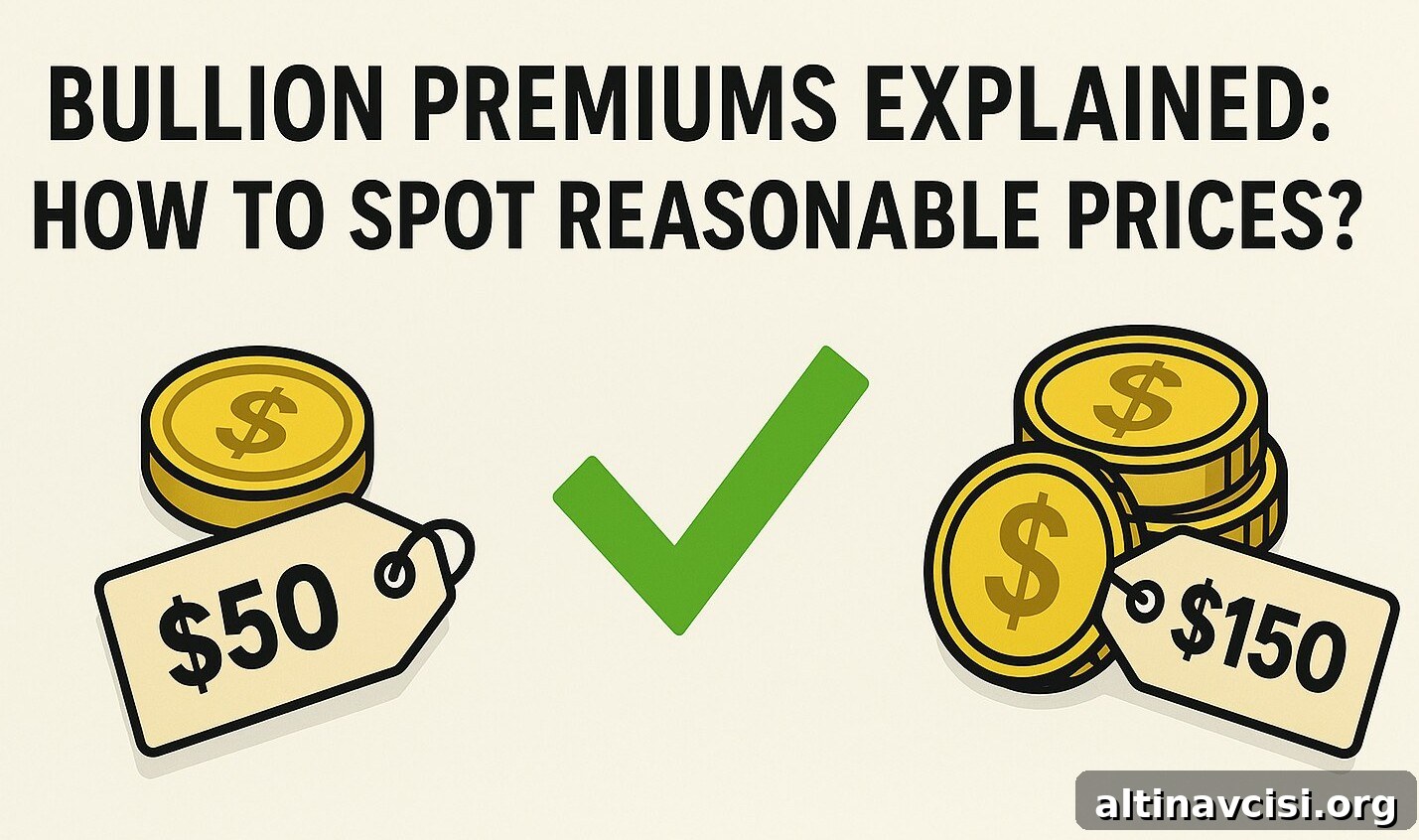
Thinking about investing in gold or silver? That’s a sensible move—precious metals have recently drawn attention, with gold reaching record levels and silver posting strong gains. One detail new buyers often miss is how premiums affect the price you pay. Understanding premiums can help you avoid overpaying and make more confident purchases.
Below is a clear, practical guide to bullion premiums: what they are, why they change, what to expect today, and how to get better deals.
The Two-Part Price Tag: Spot Price vs. Premium
Every bullion item has two price components:
- The spot price — the live market price of the metal itself, driven by global supply, demand, and macroeconomic factors.
- The premium — the additional cost above spot that covers manufacturing, minting, marketing, shipping, dealer margins, and other overheads.
While spot is the same for everyone at any given moment, premiums vary widely between dealers, product types, sizes, and market conditions. Paying attention to premiums is where many buyers can gain an edge.
Why Premiums Fluctuate (And Why You Should Care)
Premiums respond to concrete market forces. When demand surges and supply is constrained, premiums rise. In quieter markets they typically fall. Key drivers include:
- Market dynamics: Spikes in buying activity or tight supply push premiums higher.
- Production costs: Smaller pieces and complex designs cost more per ounce to produce.
- Economic uncertainty: During turmoil, premiums often increase as demand for physical metal rises.
- Logistics: Shipping delays, transport costs, or material shortages can raise premiums.
- Dealer inventory: Low stock levels often translate into higher premiums.
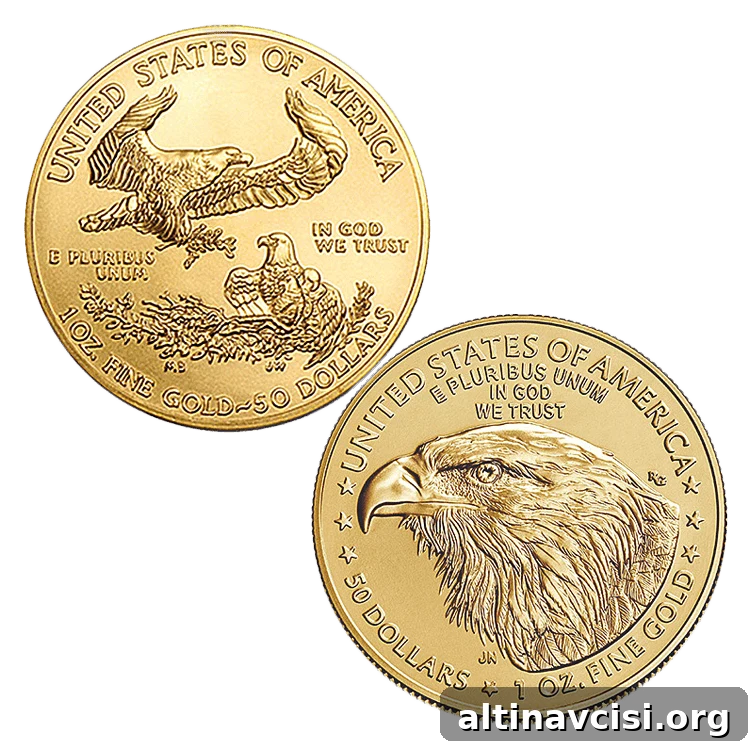
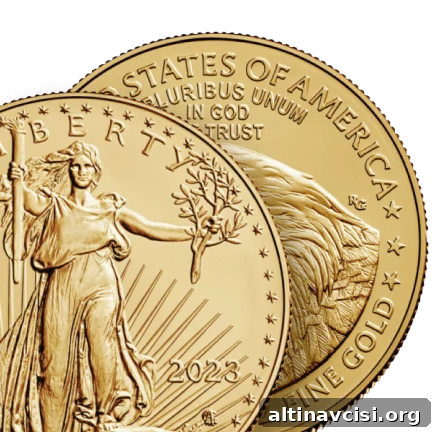
For example, government-minted coins like American Eagles and Canadian Maples usually carry higher premiums than generic bars because of recognition, government backing, and more complex minting processes. The form of the metal matters as much as content.
What’s Normal? A Quick Premium Guide
These ranges reflect common market conditions and should help you recognize reasonable pricing.
Gold premiums:
- 1 oz bars: Often $50–$100 over spot (roughly 2–3%).
- Government coins (Eagles, Maples): Typically 5–8% over spot.
- Private mint rounds: Commonly around 3–6% over spot.
- Fractional coins (1/10 oz, 1/4 oz): Can reach 15–25% because of higher production cost per ounce.
Silver premiums:
- Bars: Generally 5–15%, depending on size.
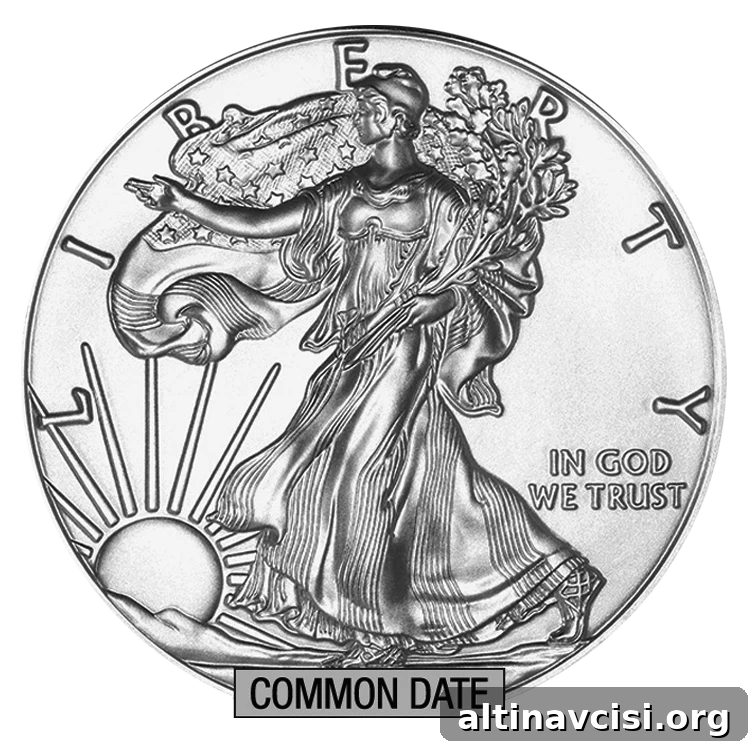
- Government coins (Silver Eagles): Frequently 10–20%, sometimes higher for special editions.
- Generic rounds: Usually 8–15% over spot.
- Large bars (100 oz): Typically have lower premiums thanks to production efficiency.


Red Flags: When to Walk Away
Not all dealers offer fair terms. Watch for these warning signs:
- Gold premiums above about 10% on standard products.
- Silver premiums over 25% for common coins.
- Large price gaps between very similar products sold by the same dealer.
- High-pressure sales tactics or unclear explanations for high premiums.
If a deal feels off, step back and compare other sources before buying.
Smart Strategies for Better Deals
To reduce the premiums you pay, consider these practical tactics:
- Compare multiple dealers: Online retailers often offer lower premiums than local shops, but local dealers can provide service or convenience.
- Buy in bulk: Larger purchases often qualify for volume discounts, lowering the effective premium per ounce.
- Dollar-cost averaging: Regular purchases spread over time can smooth both spot price and premium volatility.
Balancing Premium and Liquidity
Lower premiums are attractive, but extremely low-premium items may be less recognizable and harder to resell. Widely known government coins usually carry a modest premium yet offer stronger liquidity and broader buyer trust. When choosing products, weigh both cost and ease of resale.
Remember that premiums directly affect your total cost and potential return when you sell. Slightly higher premiums on reputable coins may pay off through easier liquidation.
GoldSilver: Investing in Physical Metals Made Easy
Choose flexible options to buy, sell, store, or take delivery of physical precious metals while maintaining control over your holdings.
Your Next Steps
Become an informed buyer by checking prices from at least three reputable dealers before committing. Evaluate both the spot price and the premium and ask clear questions if any charges are unclear. The goal is to balance price, product quality, and liquidity to match your investment plan.
With patience and a little research, you can reduce unnecessary costs and make smarter choices in the precious metals market.
Disclaimer: This article is for informational purposes only and is not financial advice. Historical performance does not guarantee future results. Consider doing your own research or consulting a financial professional before making investment decisions.