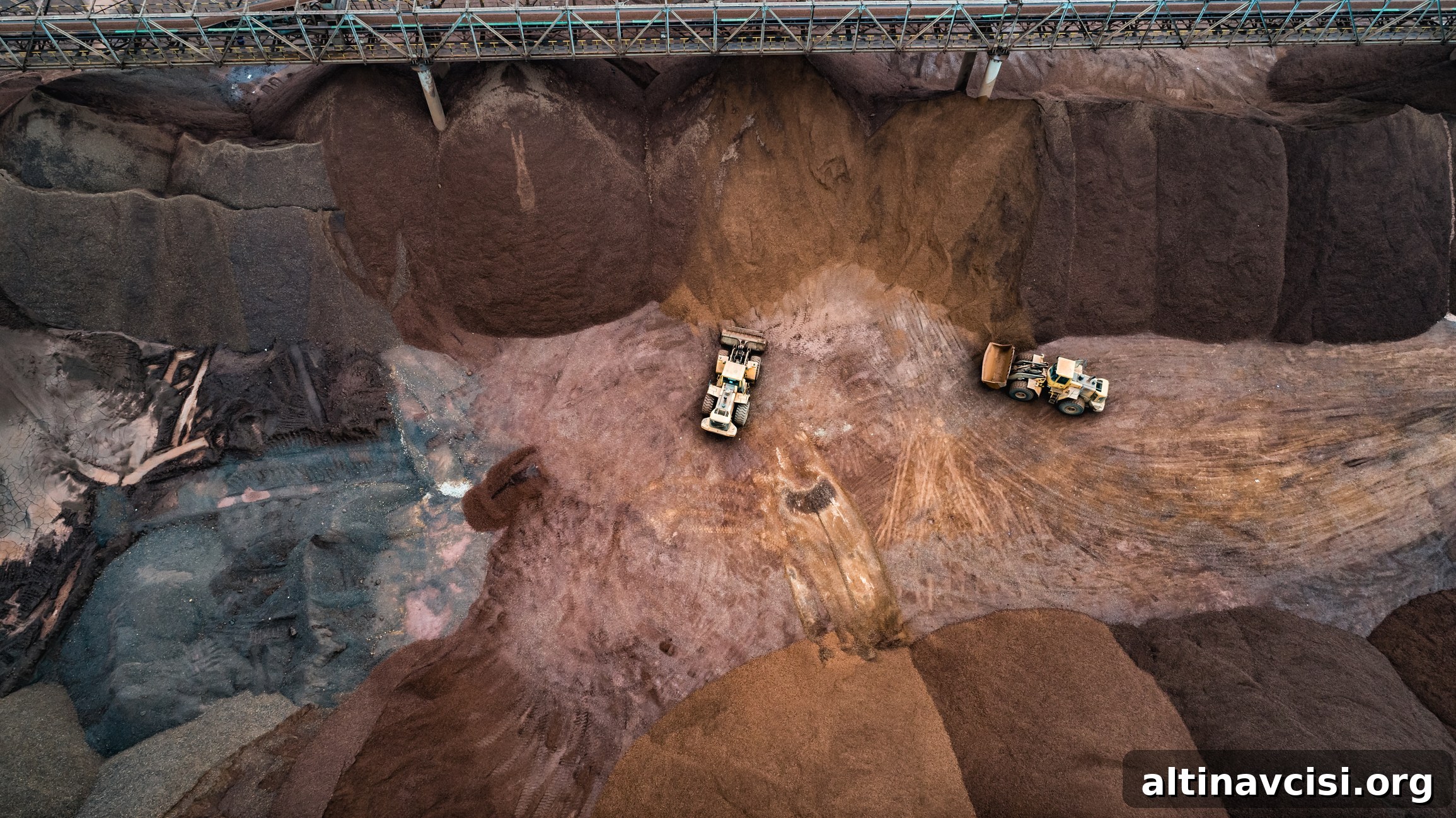
Barrick Gold is actively seeking a resolution to its dispute with Mali’s government that has halted activity at the Loulo-Gounkoto gold mine. Chief Operating Officer Sebastiaan Bock has said the company is “fully committed” to negotiating an outcome that is acceptable to both parties and allows operations to resume.
The disagreement dates back to 2023, when Mali introduced a revised mining code that raised the government’s ownership stake in some foreign-operated mines, including assets managed by Barrick. Tensions escalated in January 2025 after Malian authorities seized roughly three tonnes of gold. Barrick responded by suspending mining at Loulo-Gounkoto, citing the government’s earlier decision to block exports beginning in November.
In February, Reuters reported that Barrick had reached an agreement in principle that still required formal approval from Mali’s government. Insiders and industry observers say the final steps toward ratification have progressed slowly, reflecting a pattern seen with prior mining deals in the country where technical and political hurdles often delay implementation.
Despite the suspension of mining activity, Barrick has maintained payroll payments and continued to pay employee bonuses, signaling an effort to preserve workforce stability and community relations while negotiations continue. That said, the wider supply chain has felt the impact: at least one local supplier reported overdue invoices and delayed payments stretching back two months as of early March, illustrating the broader economic consequences of the stoppage.
The Loulo-Gounkoto complex is a major asset in Barrick’s African portfolio, and prolonged inactivity there has implications for production guidance and regional investment sentiment. Company officials have emphasized their preference for a negotiated settlement that balances Mali’s sovereignty and fiscal objectives with the need for a stable, predictable operating environment that supports long-term investment.
Analysts note several factors that complicate a swift resolution. Negotiations must reconcile Mali’s revised legal framework and revenue expectations with Barrick’s contractual rights and obligations. Political shifts in Mali and evolving global gold market conditions can also affect the pace and terms of talks. Past agreements in the region have sometimes required extended rounds of clarification, legislative endorsement and administrative action before becoming effective.
For local communities and workers around Loulo-Gounkoto, the key concerns are job security, continuity of social programs tied to the mine, and timely payment for goods and services. Barrick’s decision to keep paying staff and bonuses aims to mitigate immediate social and economic stress, but extended export blocks and operational suspension risk disrupting supplier relationships and local livelihoods if not resolved promptly.
Both Barrick and Malian officials have incentives to reach a mutually acceptable outcome. For Mali, formalizing a new ownership structure and ensuring fair revenue from mineral resources support national development goals. For Barrick, securing legal clarity and the ability to export product are essential for sustaining its investment and meeting production targets.
As talks continue, industry watchers will be monitoring signs of progress such as formal government approval of any agreement, resumption of exports, and a timetable for re-opening the mine. Until those milestones are achieved, uncertainty will remain around Loulo-Gounkoto’s operational status and the wider effects on Mali’s mining sector.