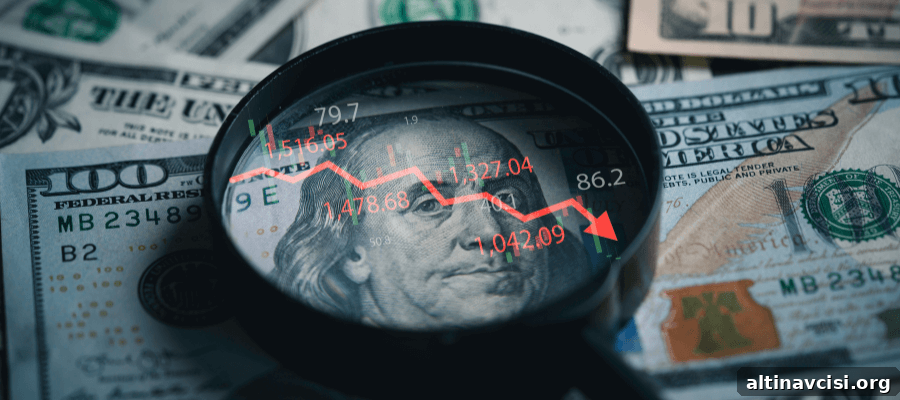
The US dollar has experienced its steepest two-month drop since 2002, losing approximately 7.7% across March and April 2025. This sharp decline reflects a combination of shifting policy stances and investor risk preferences that have favored other major currencies.
One major driver was Germany’s policy shift away from long-standing fiscal restraint toward higher public spending. That change boosted growth expectations across the euro area and increased demand for the euro. At the same time, tariff announcements from the Trump administration prompted some investors to seek safe-haven currencies such as the Japanese yen and the Swiss franc, further weighing on the dollar.
Although the dollar rose about 0.25% on Tuesday after reports suggested the Trump administration might soften planned tariffs, the currency remains under significant pressure. Deutsche Bank has observed what it describes as a “buyers’ strike” among foreign investors for US assets: even as asset prices have recovered somewhat, foreign demand has not returned at previous levels.
The euro, while down 0.38% on Tuesday at $1.1379, is still positioned for its largest monthly gain against the dollar in more than two years. Market analysts argue there is room for further appreciation: many forecasts place the euro-dollar exchange rate in the 1.20–1.25 range if current trends continue.
Meanwhile, the yen could strengthen further if a global economic slowdown forces major central banks to implement deeper rate cuts. Such a scenario would likely reinforce demand for safe-haven currencies and add to the downward pressure on the dollar.
In summary, a combination of European fiscal stimulus, trade-policy uncertainty, and changing investor risk appetite has driven the dollar’s recent losses. Market watchers will be monitoring central bank responses, fiscal developments in Europe, and any adjustments to US trade policy for signals about where exchange rates may head next.