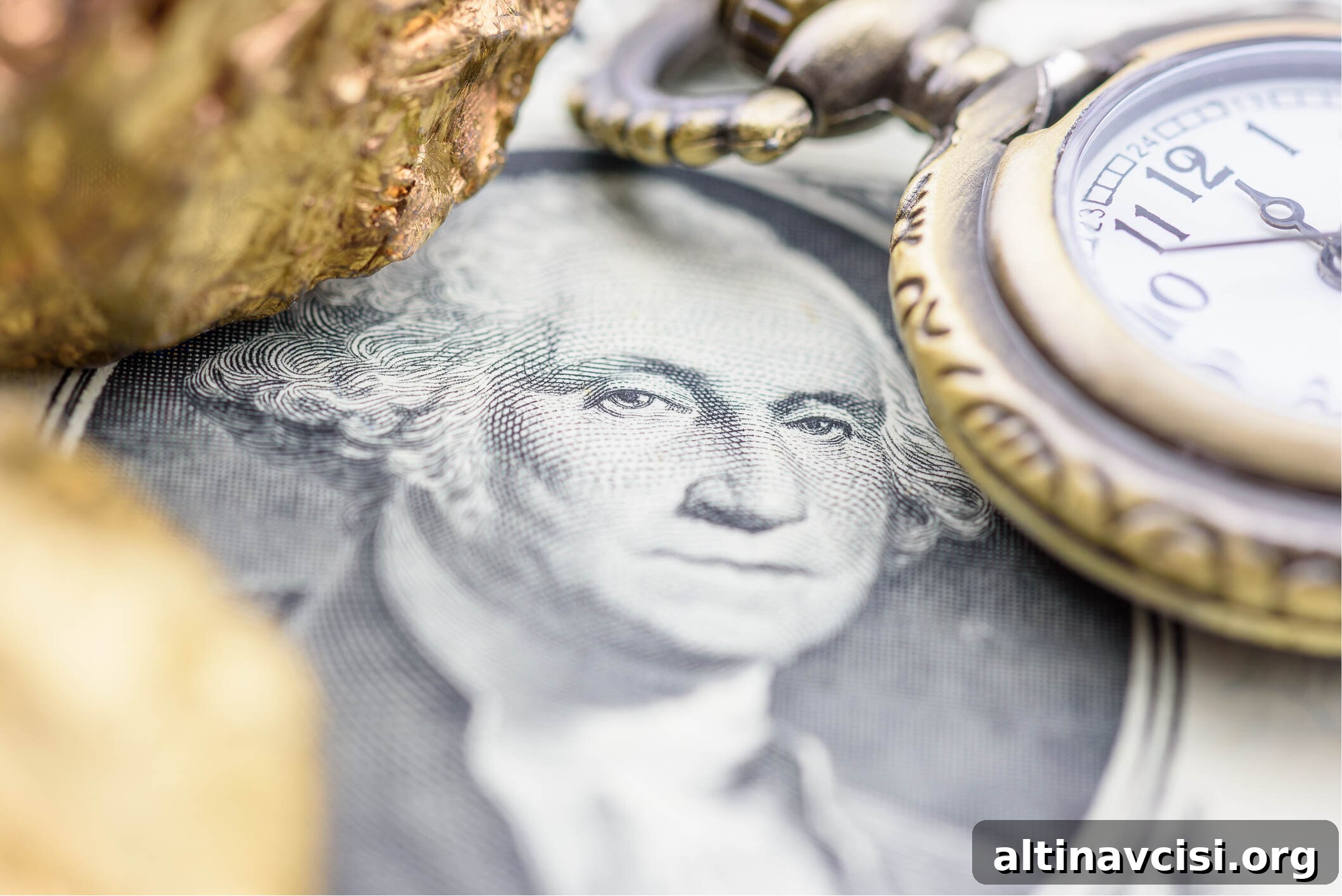
Gold fell noticeably on Monday, dropping 0.9% to $3,303.93 per ounce as a firmer dollar and renewed trade uncertainty weighed on the metal. The U.S. dollar rose roughly 0.2% versus a basket of other currencies, making dollar-priced bullion more costly for buyers using other currencies and reducing demand.
Stronger-than-expected U.S. economic data, including robust job growth, has lowered market expectations for near-term Federal Reserve rate cuts. With interest-rate outlooks being revised upward, the opportunity cost of holding non-yielding assets such as gold increased, exerting additional downward pressure on prices.
Trade developments added complexity. President Trump’s looming July 9 deadline for tariff negotiations and the scheduled activation of 10% base tariffs for most countries — along with reciprocal rates that could reach 50% starting August 1 — have introduced fresh uncertainty for global trade flows. The president also threatened an extra 10% tariff on BRICS nations. While the administration says progress is being made on trade deals, analysts caution that the absence of concrete, large-scale agreements could still result in trade contraction, a dynamic that often supports safe-haven assets like gold over the medium to long term.
The broader precious metals sector moved lower alongside gold. Silver experienced a sharper decline, falling about 1.9%, while platinum dropped approximately 2.4% and palladium gave up around 1.7%. These moves reflect both the influence of the stronger dollar and the market’s reassessment of monetary policy timing in the United States.
Market participants are watching several catalysts that could change the current trajectory. Any new economic data that weakens the U.S. growth outlook or signals a slower pace of Fed tightening could lift gold as traders reprice rate-cut expectations. Conversely, renewed signs of inflationary pressure or stronger employment metrics would likely reinforce a stronger dollar and cap near-term gains for precious metals.
In summary, Monday’s pullback in gold was driven primarily by a stronger dollar and firmer U.S. economic indicators that diminished the prospect of immediate rate cuts, with escalating trade uncertainties adding a secondary, longer-term consideration for investors. The overall precious metals complex mirrored gold’s losses as markets continue to balance monetary policy expectations against geopolitical and trade risks.