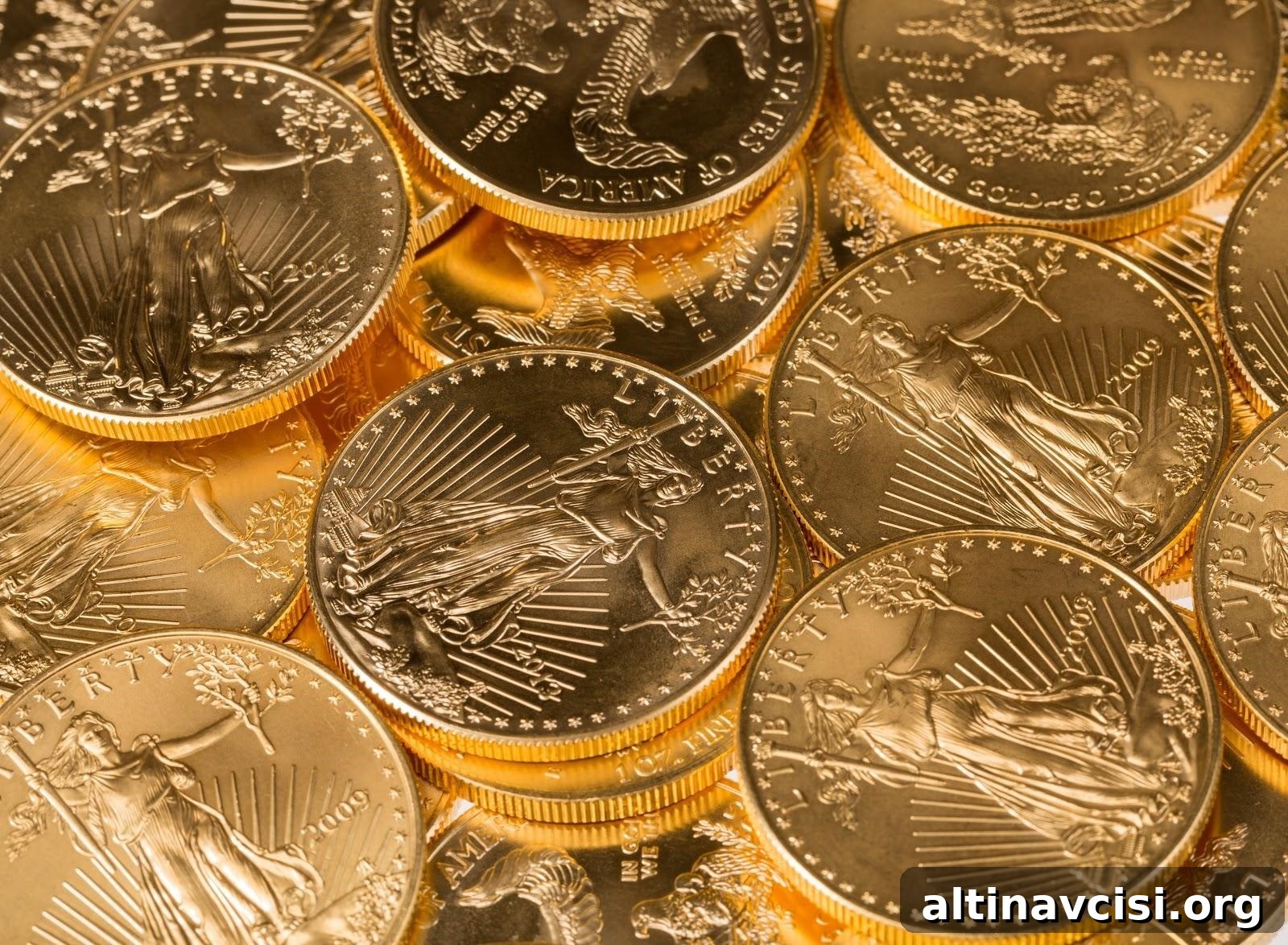
Gold prices have climbed to record levels, rising roughly 40% compared with a year ago and about 19% since the start of 2025. The rally has intensified as global markets retreat amid growing concerns over the potential economic impact of newly announced protectionist trade policies. The latest round of tariffs is due to take effect on Wednesday, a date the president has referred to as “Liberation Day.”
As uncertainty mounts, investors are increasingly seeking gold as a safe-haven asset. Confidence across markets has weakened since the beginning of the year, with both businesses and consumers voicing worries about inflationary pressure and the ripple effects of higher trade barriers. Analysts say that the escalation in the trade dispute is feeding market volatility and raising the prospect that consumers will ultimately absorb the cost through higher prices for goods and services.
Demand for gold typically rises when geopolitical tensions and policy shifts threaten economic growth or disrupt trade flows. In this environment, investors often reallocate capital from riskier assets to precious metals, driving prices higher. The recent surge reflects not only immediate hedging activity but also longer-term positioning by portfolio managers concerned about inflation and currency risks.
Market participants point to several factors reinforcing gold’s appeal. First, persistent inflation expectations undermine the purchasing power of cash and fixed-income returns, making tangible assets like gold more attractive. Second, the prospect of prolonged trade frictions increases the likelihood of slower global growth, pushing investors toward assets viewed as stores of value. Third, any move by central banks to respond with accommodative monetary policy could lower real interest rates, which historically supports higher gold prices.
While gold’s climb has rewarded investors, it also reflects broader strains in the global economic outlook. Supply chains disrupted by tariffs can raise production costs, prompting firms to pass expenses on to consumers. Higher import levies often translate into price increases for everyday goods, contributing to headline inflation and squeezing household budgets. Economists caution that such dynamics could dampen consumer spending over time, further weighing on growth.
Looking ahead, the trajectory of gold will depend on several variables: the scope and duration of trade measures, central bank responses, inflation trends, and overall investor risk sentiment. A de-escalation of tariffs and clearer policy signals could relieve some pressure on markets and temper gold’s ascent. Conversely, continued policy-driven uncertainty and signs of accelerating inflation would likely sustain demand for the metal.
For now, gold’s performance serves as a barometer of market unease. As policymakers and market participants monitor developments around trade policy and inflation, precious metals will remain a key component of many portfolios seeking protection against economic and geopolitical shocks.