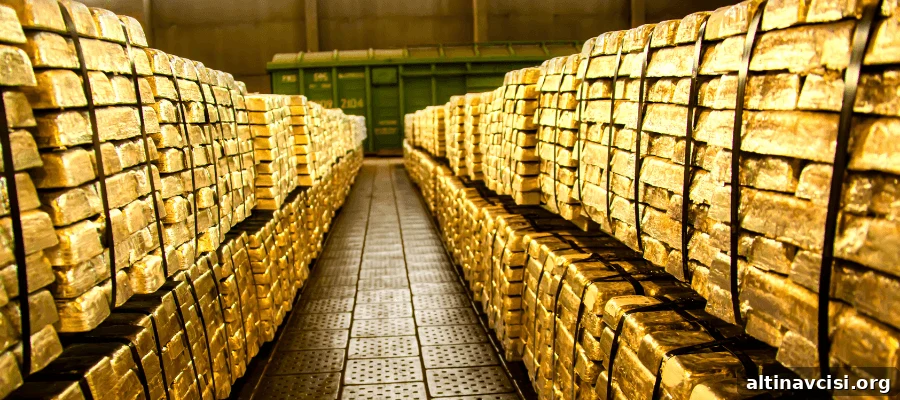
Swiss gold imports from the United States surged to a record 63 metric tons in April — the highest monthly level since 2012 — after U.S. import tariffs were applied to a wide range of goods but exempted precious metals. The exclusion of gold from those tariffs appears to have encouraged larger shipments into Switzerland, a longstanding global hub for refining and trading bullion.
Despite the sharp rise in U.S. arrivals, Switzerland’s overall gold exports declined by 31% compared with the previous month. That drop reflects shifting sources and destinations for refined metal as traders and refiners adjust to altered cost structures and cross-border logistics. Even so, deliveries to two major consumption markets — India and China — showed modest increases, indicating continued demand in those key buyers.
Some of the imported gold was re-exported to the United Kingdom, pointing to a reorganization of bullion flows rather than a simple increase in domestic consumption or refining. Re-exports often reflect Switzerland’s role as an intermediary that refines, assays, or channels metal to other trading centers. The movement back into the UK may also be driven by contract settlements, investor demand, or strategic inventory placement by dealers and banks.
Taken together, the figures reveal a notable shift in global gold trade patterns as market participants respond to tariff changes and evolving economic conditions. Traders frequently reroute shipments to optimize costs, comply with regulatory frameworks, and meet end-market demand, and the recent spike in imports from the U.S. alongside a decline in total exports underscores how sensitive bullion flows are to policy and market signals.
While the April data captures a pronounced month-on-month swing, longer-term trends will depend on factors such as interest rates, currency movements, central-bank buying, and consumer demand in major markets. Continued monitoring of import and export statistics will be necessary to determine whether the U.S.-to-Switzerland pipeline represents a temporary response to tariff treatment or the start of a more durable reallocation of global gold flows.