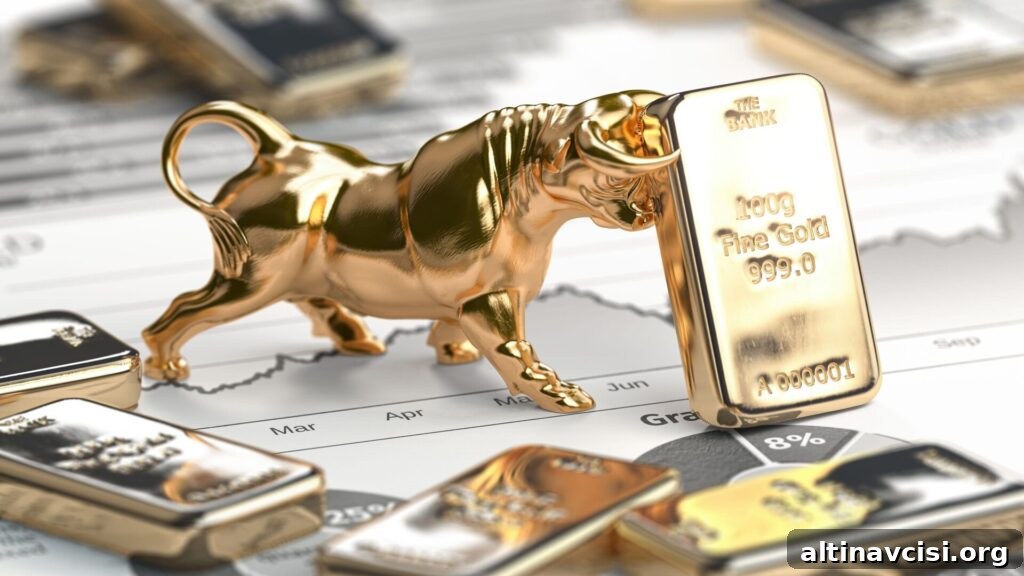
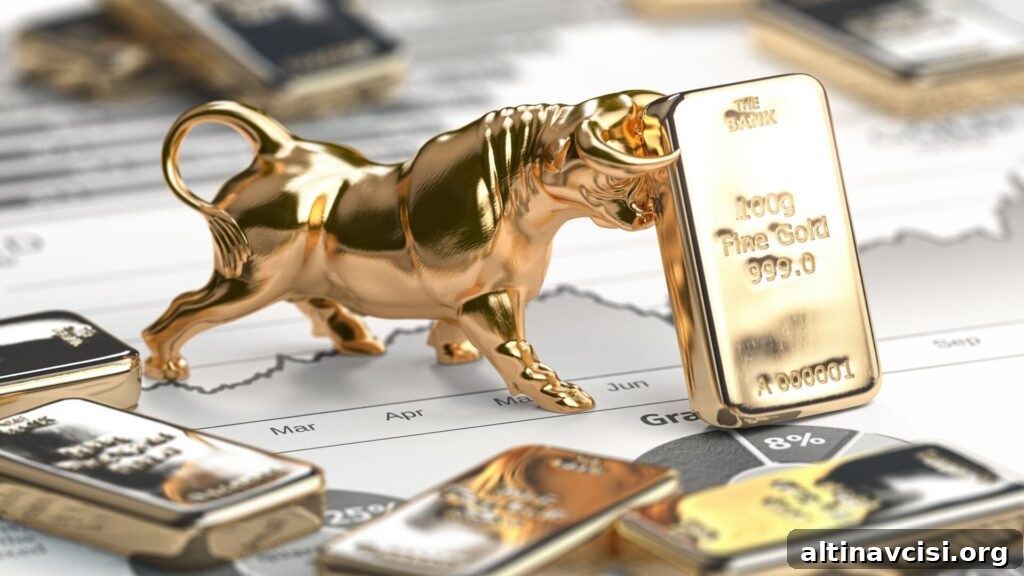
The spot price of gold fluctuates constantly, reflecting a continual tug-of-war between financial markets, policy decisions, and global events. For investors, the crucial task is identifying the primary gold price drivers that underlie these moves. Grasping these forces not only explains past price behavior but also helps anticipate where gold could head next and how it can support a diversified portfolio.
Gold’s spot price updates throughout trading hours, reacting to economic releases, central bank actions, and geopolitical developments. Below are the five core drivers that most consistently influence gold markets.
1. Federal Reserve Interest Rate Decisions and Monetary Policy
The Federal Reserve is often the single most powerful influence on gold. Higher interest rates tend to pressure gold because yields on Treasury securities and cash accounts become more appealing relative to an asset that pays no interest. Conversely, rate cuts or dovish guidance from the Fed generally boost gold demand.
It’s not only the actual rate moves that matter but expectations about future policy. Traders and investors analyze Fed speeches, projections, and minutes for any change in tone. Even subtle signals about inflation persistence or economic cooling can trigger immediate price reactions in gold markets.
A more nuanced development in recent years is that gold can rise even when nominal rates increase, if investors fear higher rates will hurt debt sustainability or tip the economy toward recession. That dynamic shows monetary policy can act as either a headwind or a tailwind for gold depending on the broader macroeconomic context.
2. US Dollar Strength and Currency Fluctuations
Since gold is priced globally in US dollars, the dollar’s value has a direct and often inverse relationship with gold prices. A stronger dollar typically weighs on gold because it raises the metal’s cost for purchasers using other currencies. When the dollar weakens, gold becomes relatively cheaper abroad and demand tends to rise.
Market participants monitor the Dollar Index (DXY), which compares the dollar to a basket of major currencies. Significant moves in the DXY frequently precede notable shifts in gold prices. Currency movements in major consuming countries also matter: weakening local currencies in markets such as India and China can increase domestic gold buying as people seek protection against currency depreciation.
In short, the US dollar is one of the primary gold price drivers, and its fluctuations have wide-reaching effects across global demand and price dynamics.
3. Inflation Data and Economic Indicators
Gold’s longstanding reputation as an inflation hedge is a major reason investors include it in portfolios. When inflation accelerates, cash loses purchasing power and gold becomes a more attractive store of value. Key reports—such as the Consumer Price Index and Producer Price Index—often provoke swift responses in gold markets.
However, there is a trade-off: if higher inflation prompts aggressive central bank tightening, rising yields can temporarily reduce gold’s appeal. If inflation remains elevated and monetary policy lags, or if policy actions threaten economic growth, gold frequently benefits and can reach new highs.
Other macro indicators—GDP growth, employment figures, and consumer sentiment—shape expectations for inflation and central bank responses. Weak economic data may increase recession fears and push investors toward gold for safety; strong data can dampen immediate demand but doesn’t negate gold’s long-term role as an inflation hedge.
4. Geopolitical Events and Market Risk Sentiment
Gold is widely viewed as a crisis asset, so geopolitical unrest and spikes in market uncertainty typically lift its price. Conflicts, sanctions, major trade disputes, and political instability often trigger safe-haven buying as investors seek protection from volatility in equities, currencies, and bonds.
Recent global events have illustrated this pattern: geopolitical tensions prompt central banks and private investors alike to increase gold holdings. Measures of market stress, such as the VIX volatility index, often move in step with gold during periods of heightened risk, reinforcing gold’s role as a portfolio stabilizer.
5. Central Bank Gold Purchases and Institutional Demand
Official-sector buying is a major but sometimes underappreciated force behind gold prices. Many central banks—particularly in emerging economies—have steadily increased reserves in recent years. These purchases are often strategic and price-insensitive, providing a structural support that reduces susceptibility to short-term market swings.
Institutional demand through vehicles such as gold-backed exchange-traded funds (ETFs) is also influential. Rising ETF holdings signal strong professional and institutional appetite, which can accelerate upward price momentum. Conversely, significant outflows can apply downward pressure. Combined with positioning data from commercial banks and hedge funds, these flows help clarify the broader market backdrop.
Tracking Gold Price Movements
Investors tracking these drivers use live gold price charts to see how macro events and positioning translate into market moves. Price charts provide real-time context, while understanding bullion premiums is important for those buying physical metal—premiums can widen or narrow depending on demand and supply conditions.
Strategic Takeaways for Investors
Gold’s price reflects the interaction of five dominant forces: central bank policy, the US dollar, inflation and economic data, geopolitical risk, and institutional or official demand. At times these forces align, producing clear trends; at other times they conflict, generating volatility. For long-term investors, gold offers a hedge and portfolio ballast. For tactical traders, these drivers offer signals for shorter-term positioning.
Staying attentive to these gold price drivers—monitoring policy announcements, currency moves, inflation data, geopolitical developments, and large-scale buying or selling—will help investors make more informed, timely decisions about allocating to gold.
FAQs on What Drives Gold?
What are the main gold price drivers?
The principal drivers are Federal Reserve interest rate policy, the strength of the US dollar, inflation and broader economic indicators, geopolitical risk and market sentiment, and central bank or institutional demand. These elements collectively shape investor sentiment, demand flows, and safe-haven buying that determine gold’s spot price.
How do Federal Reserve interest rates affect gold prices?
Rising Fed rates typically put pressure on gold because higher yields make interest-bearing assets more attractive. Rate cuts or dovish guidance usually lift gold. In some circumstances, however, rising rates that raise recession or debt concerns can also support higher gold prices.
Why does the US dollar impact gold prices?
Gold’s global pricing in US dollars means dollar strength or weakness directly affects demand. A stronger dollar makes gold costlier for foreign buyers and can push prices down, while a weaker dollar tends to boost international demand and support higher prices.
Is gold a good hedge against inflation?
Yes. Historically, gold has been a reliable store of value when inflation erodes the purchasing power of currency. That said, aggressive interest-rate responses to inflation can temporarily suppress gold’s performance, even as its long-term hedge characteristics remain intact.
How do central banks influence gold prices?
Central banks are significant buyers of gold, and their accumulation of reserves creates steady structural demand. Because much of this buying is strategic and not highly price-sensitive, it can underpin long-term price trends. Institutional inflows through ETFs and positioning by major financial firms further amplify these effects.
Investing in Physical Metals Made Easy
Get Gold & Silver Insights Direct to Your Inbox
Join thousands of smart investors who receive expert analysis, market updates, and exclusive deals every week.