

In today’s unpredictable economy, protecting retirement savings is a higher priority than ever. Rolling over a 401(k) into a Gold IRA can add diversification and the stability of a tangible asset: physical gold. This article explains the rollover process in clear steps and highlights how GoldSilver streamlines many parts of the journey.
Why Consider a Gold IRA?
Many 401(k) plans are concentrated in paper assets—stocks, bonds and mutual funds—that can be vulnerable during market turbulence. Physical precious metals have historically acted as a hedge in times of high inflation and economic uncertainty. Adding IRS-approved precious metals to a retirement plan can provide several benefits:
- Protection Against Inflation: Gold has kept purchasing power over long periods. When inflation rises, gold often performs well relative to paper currencies.
- Portfolio Diversification: Gold and other metals often move independently of stock and bond markets, helping reduce overall portfolio volatility.
- Safe-Haven Characteristics: During geopolitical tensions or market crashes, gold frequently provides stability and can retain or increase value.
- Tangible Asset Ownership: Physical metals carry no counterparty risk; you hold a real asset rather than a promise on paper.
- Tax Advantages: A properly executed 401(k) to Gold IRA rollover can avoid early withdrawal penalties and immediate tax liabilities.

GoldSilver: Investing in Physical Metals Made Easy
GoldSilver offers flexible options to buy, sell, store and take delivery of physical metals, with tools and support to help you manage your IRA investments.
Open an Account
The 401(k) to Gold IRA Rollover Process in 6 Steps
Converting a retirement account to a Gold IRA follows a straightforward process. Below are the typical steps to complete a rollover while staying compliant with IRS rules.
Step 1: Confirm Your Eligibility
- If you’ve left your employer, you are usually eligible to roll over your 401(k).
- If still employed, eligibility depends on plan rules; you may qualify if you’re over 59½ or if the plan allows in-service withdrawals. Check your 401(k) terms carefully.
Step 2: Choose a Reputable Gold IRA Custodian
A Gold IRA requires an IRS-approved custodian. Important criteria when selecting a custodian include:
- Transparent fee schedules and clear policies
- Strong customer service and positive reviews
- Secure, insured storage partnerships with established depositories
- Demonstrated compliance and experience handling precious metals IRAs
Step 3: Open a Self-Directed Gold IRA
After choosing a custodian, complete their application, provide identification and retirement account details, and sign required agreements. Once approved, the IRA will be ready to receive rollover funds.
Step 4: Initiate the Rollover from Your 401(k)
You can transfer funds via:
- Direct rollover (recommended): Funds move directly from your 401(k) to the new IRA without tax withholding.
- Indirect rollover: You receive the distribution and must deposit it into the IRA within 60 days to avoid taxes and penalties.
Step 5: Select IRS-Approved Precious Metals
IRS rules require specific purity standards for IRA-eligible metals. Common approved options include:
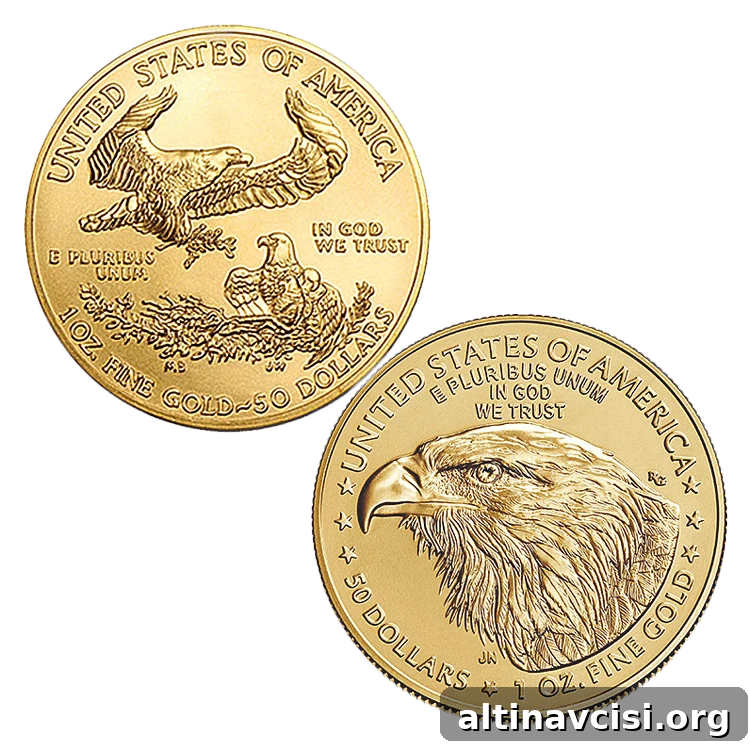
- American Gold Eagles
- Canadian Maple Leafs
- Australian Kangaroos
- Bars from accredited refiners that meet purity requirements
Using a provider that only lists IRA-approved metals simplifies selection and compliance.

Invest Now

Invest Now
Invest Now

Invest Now
Step 6: Arrange for Secure Storage
IRS rules require that IRA-owned metals be held in an approved third-party depository, not at home. Reputable depositories provide 24/7 surveillance, armed protection, full insurance and secure handling for deliveries and withdrawals.
Let GoldSilver Do the Heavy Lifting
If you open a Gold IRA with a provider like GoldSilver, many steps are handled for you, including account setup, custodian coordination, approved metal selection and storage arrangements. As the investor, you typically confirm eligibility and authorize the rollover to complete the transfer.
Important Considerations Before Rolling Over
Gold IRAs carry fees and operational details to weigh before proceeding. Typical costs and considerations include:
- Setup fees: often a modest one-time charge
- Annual storage and insurance fees: vary by custodian and depository
- Buy/sell spreads and dealer premiums when acquiring physical metals
- Potential account maintenance or transaction fees
Tax Implications
A direct rollover or trustee-to-trustee transfer generally avoids taxes and penalties. Important tax rules to note:
- Indirect rollovers must be completed within 60 days to avoid taxation.
- Only one indirect rollover is allowed per 12-month period for each IRA.
- Required Minimum Distributions (RMDs) still apply once you reach the age specified by law.
Why Choose GoldSilver?
A reputable provider should offer clear pricing, strong custody and storage partners, educational resources and reliable customer support. GoldSilver emphasizes transparent pricing, an established buyback program and educational materials to help investors make informed decisions.
A Gold IRA Can Help Secure Your Retirement Future
Rolling over a 401(k) into a Gold IRA is a strategic move to diversify and protect retirement assets with tangible metals. For many investors, gold represents a hedge and a source of long-term stability. Evaluate costs, custodial options and tax rules, and consider consulting a financial or tax advisor to ensure a rollover fits your retirement plan.
Investing in Physical Metals Made Easy
Get Gold & Silver Insights Direct to Your Inbox
Join investors who receive market insights, analysis and updates to stay informed about precious metals and retirement strategies.
Disclaimer: This article is for informational purposes only and is not financial advice. Past performance does not predict future results. Consult a qualified financial or tax advisor before making investment decisions.