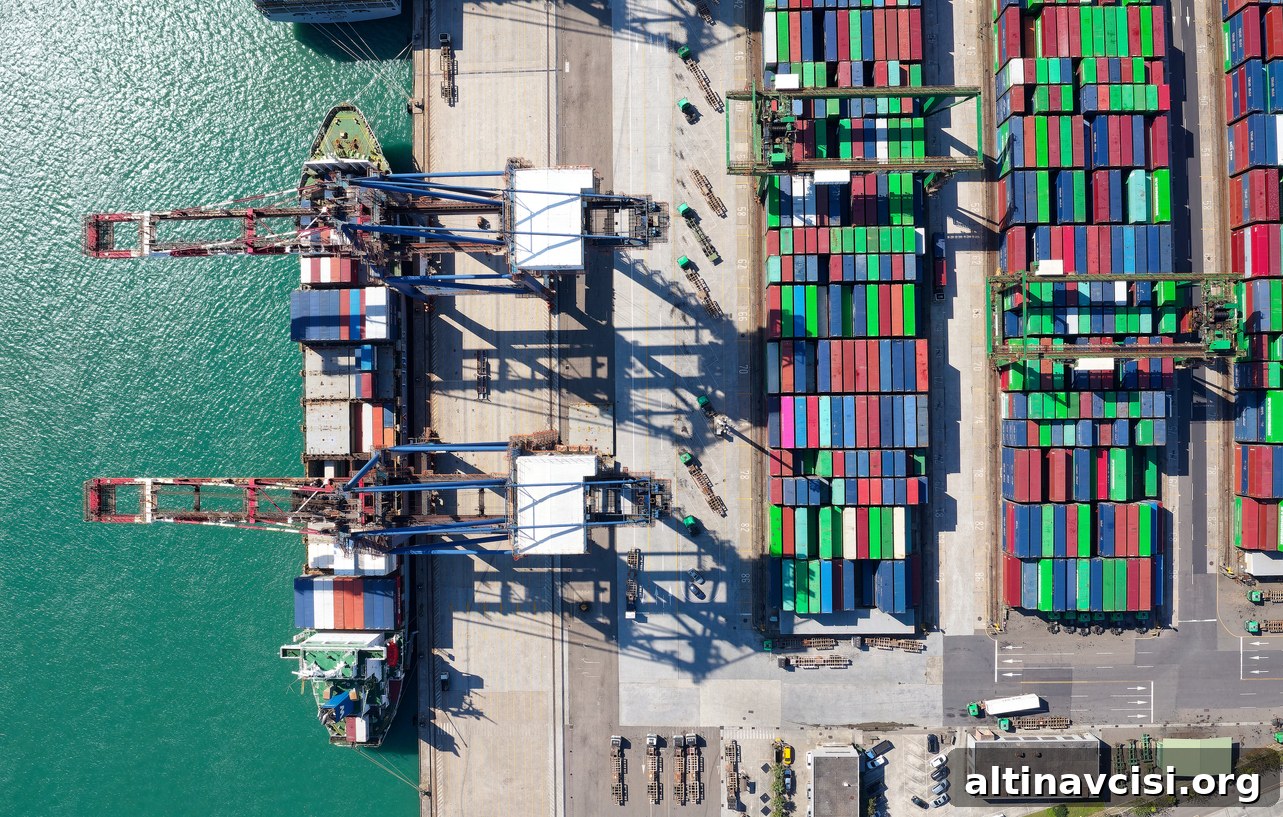
Trump’s 145% tariffs on Chinese goods have led to a sharp decline in cargo shipments, which have fallen about 60% since early April. As companies face a deadline to replenish inventories by mid-May, retailers warn that store shelves could empty and consumer prices may rise. Economists caution that the disruption could trigger shortages reminiscent of the Covid-era and prompt layoffs across several sectors.
The timing is especially problematic because suppliers are gearing up for back-to-school and the holiday season. Many businesses report that they have effectively been “paralyzed,” pausing or delaying orders until there is clarity on costs and logistics. With significantly reduced shipping capacity, any sudden resumption of trade would likely overwhelm port and trucking networks and recreate pandemic-style bottlenecks.
Vessel tracking data show about 40% fewer sailings from China to the United States and roughly a one-third reduction in container volume on those routes. In response, U.S. importers are increasingly turning to manufacturers in Southeast Asia. Shipping firms say cancellation rates for China-origin cargoes are near 30%, while bookings from Cambodia, Thailand, and Vietnam have risen as companies diversify sourcing to avoid the tariff shock.
Supply-chain managers warn that the shift to alternate suppliers cannot instantly replace lost capacity. New supplier relationships require time for quality checks, production ramp-up, and compliance approvals. Meanwhile, rerouted cargo often travels on longer, more complex routes, adding transit time and cost. Those factors, combined with constrained shipping slots, raise the risk that inventory replenishment will be slow and uneven across regions and product categories.
Retailers plan for higher procurement costs to be passed partially to consumers, and some are already adjusting pricing and promotional strategies to protect margins. Smaller merchants with thinner cash reserves and less flexible sourcing options are particularly vulnerable to both higher tariffs and the logistical disruption. They may face harder choices between absorbing costs, raising prices, or reducing staff.
Logistics providers are also bracing for strain. Ports, rail, and trucking companies that handled lower volumes are operating with reduced labor and equipment, and they may struggle to scale up quickly if import demand surges. Labor shortages and limited yard space at major ports could extend container dwell times and increase congestion, compounding delays for retailers trying to restock high-demand items.
Analysts say the longer the tariff-induced slowdown persists, the greater the chance of cascading effects: production slowdowns for manufacturers that rely on imported components, inventory shortfalls for retailers, and price pressure that can feed into broader inflation measures. Policymakers and industry leaders face mounting pressure to find interim solutions that mitigate immediate disruptions without creating long-term market distortions.
In the near term, businesses are focusing on three practical responses: diversifying supplier bases, increasing safety-stock levels where possible, and coordinating more closely with logistics partners to prioritize critical shipments. While these steps can lessen some risks, they cannot fully offset the scale of the disruption caused by rapid tariff changes and reduced shipping capacity.
As the mid-May restocking deadline approaches, the market will reveal how well these adjustments hold. For now, the combination of steep tariffs, collapsing shipment volumes, and constrained logistics points toward a period of tighter supply, higher costs, and elevated uncertainty for retailers and consumers alike.