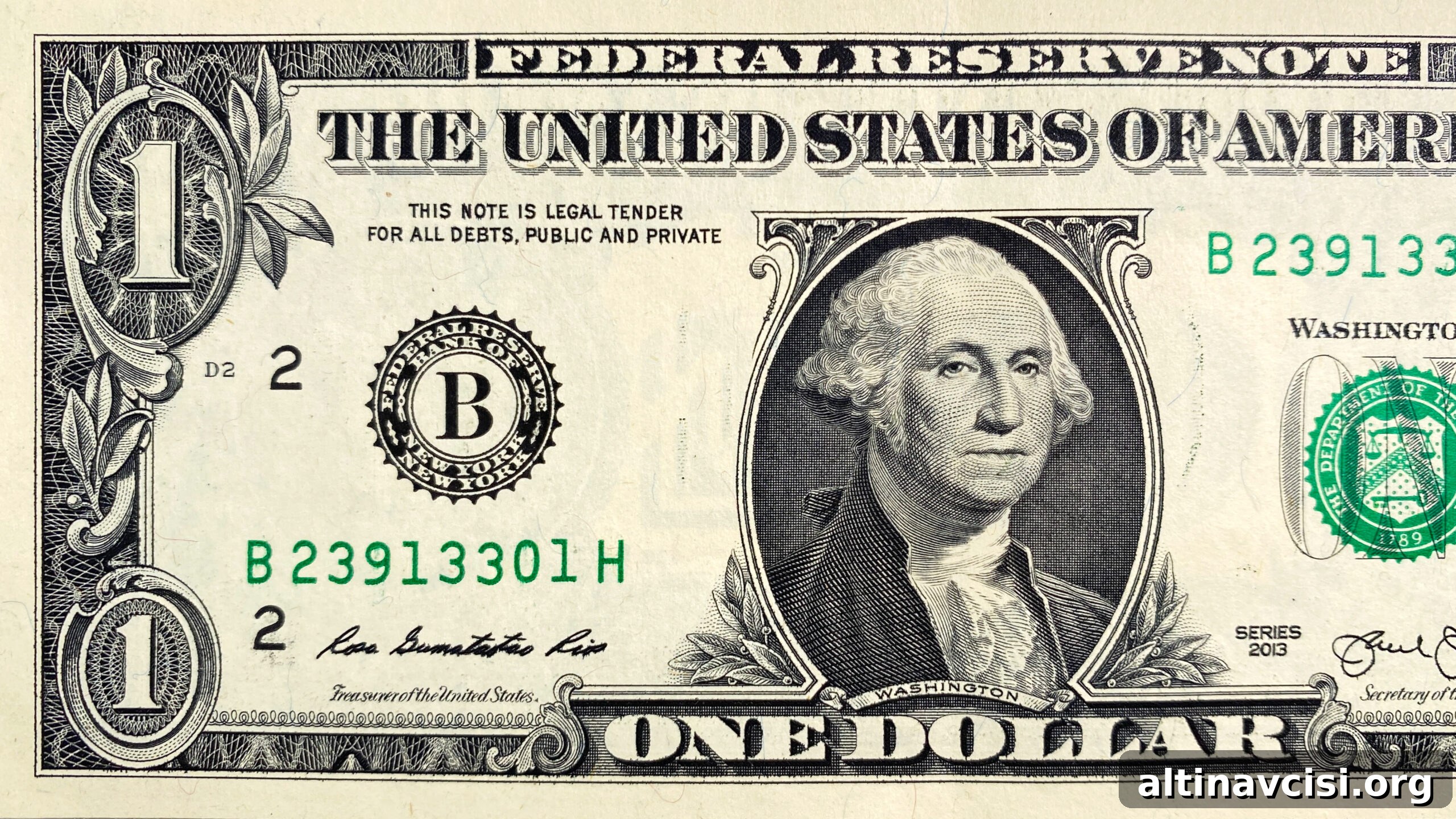
President Trump’s assertive trade policies and broad use of tariffs are prompting a reassessment of the US dollar’s long-standing position as the world’s principal reserve currency.
Today the dollar still dominates global finance: it is used in roughly 90% of foreign exchange transactions and constitutes close to 60% of official government reserves. Those shares reflect a deep, historical reliance on US financial markets, liquidity and the relative stability of American institutions.
However, the administration’s persistent focus on tariffs, unilateral trade measures and the strategic use of economic pressure has encouraged trading partners and global investors to examine alternatives to dollar-denominated assets. Nations exposed to tariffs or trade disruptions have a stronger incentive to reduce their vulnerability by diversifying the currencies they use for trade settlement, accumulating non-dollar reserves, or increasing holdings of commodities and other assets.
These adjustments can have meaningful consequences. If foreign governments and private investors gradually shift away from dollar assets, the United States could face higher borrowing costs as demand for Treasury securities declines. That decline would make it more expensive for Washington to finance budget deficits and could weaken one of the long-run fiscal advantages the US has enjoyed since the end of World War II: the ability to fund deficits cheaply through broad global demand for dollar-denominated debt.
Beyond financing costs, a diminished role for the dollar would reduce America’s economic leverage. The dollar’s global dominance gives the United States considerable influence over international finance, cross-border payments and sanctions enforcement. As alternative payment systems, regional currency arrangements and local-currency trade invoicing gain traction, Washington’s capacity to apply financial pressure selectively could be constrained. That would alter the strategic calculus for both commercial and diplomatic engagements.
It is important to note that transitioning away from a dominant reserve currency is complex and slow. The dollar benefits from deep and liquid capital markets, an extensive network of financial institutions, well-established legal frameworks and a wide pool of instruments for investors seeking safe, dollar-denominated assets. Alternatives such as the euro, the Chinese renminbi, digital currencies, or expanded gold and commodity holdings face obstacles including market depth, convertibility, legal certainty and geopolitical trust.
Yet even a gradual diversification away from the dollar can introduce volatility and reduce some privileges the US currently enjoys. For example, lower demand for Treasuries could force the Federal Reserve and Treasury to adapt monetary and fiscal approaches. Corporations and financial institutions that rely on dollar funding might confront higher hedging costs and more frequent liquidity stresses. Emerging-market nations that borrowed extensively in dollars could experience amplified currency mismatches and financial strain if global appetite for dollar assets wanes.
Ultimately, the degree to which trade policy alone drives a durable shift depends on many factors: how lasting and predictable those policies are, how counterparts respond with alternative currency arrangements or bilateral settlements, and whether other major currencies or instruments can realistically offer the same convenience and perceived safety as the dollar. Policymakers in the United States and abroad will weigh economic costs, geopolitical interests and market realities as they decide how quickly to alter long-standing practices.
In the near term, the dollar’s dominant position is unlikely to disappear overnight given the sheer scale and entrenchment of existing systems. But sustained trade frictions and protectionist measures can accelerate a slow-moving rebalancing of global finance. Over time, that rebalancing could erode some American advantages—raising borrowing costs, limiting financial influence, and complicating the management of international economic relationships.
Maintaining confidence in the dollar will depend on predictability in trade and economic policy, continued strength and transparency in US institutions, and a recognition that global partners will seek stability and options to mitigate risks. How the United States navigates these trade policy choices will play a significant role in determining the dollar’s trajectory in the decades ahead.