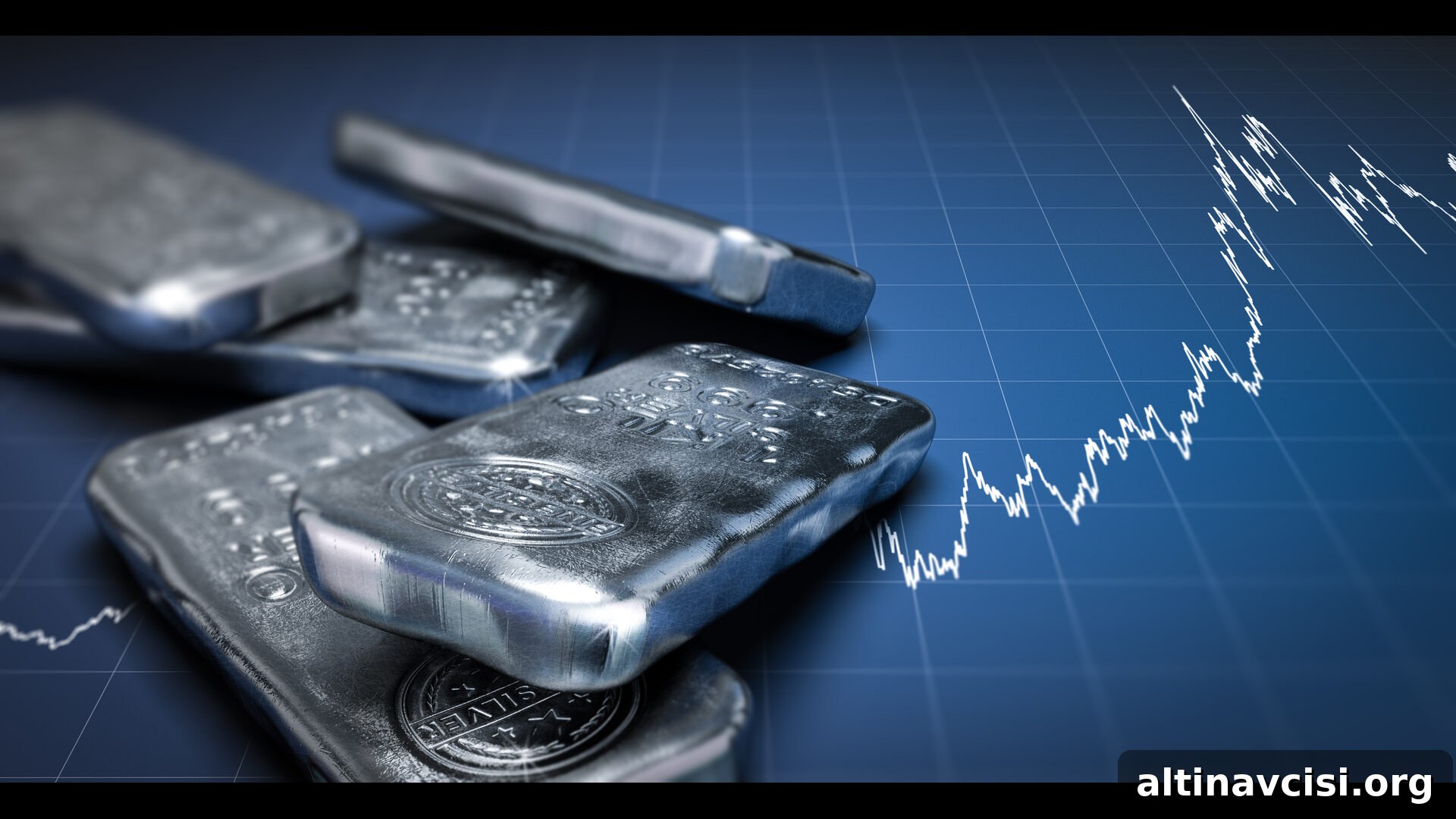
While gold often dominates the headlines, silver is quietly gaining momentum.
Analysts highlight several factors supporting silver’s resurgence: robust industrial demand, expanding use in green energy technologies, and a historical tendency to outperform gold during late-stage market rallies.
As gold trades near record highs, many investors regard silver as an undervalued metal with significant upside potential. Its dual role as both an industrial commodity and a store of value gives it unique exposure to economic growth and technological adoption—particularly in sectors like photovoltaics, electric vehicles, and electronics, where silver’s conductivity and antibacterial properties are prized.
Industrial demand for silver has held steady and is expected to grow as renewable energy projects scale up and manufacturing rebounds. Solar panels, for example, use silver in conductive pastes and contacts, and as solar deployment expands worldwide, that demand becomes increasingly important. Similarly, the electrification of transport and advances in consumer electronics continue to rely on silver for reliable electrical connections.
On the investment side, silver benefits from rising interest whenever investors seek alternatives to paper assets. Historically, silver has shown strong rallies during periods of heightened demand for precious metals, sometimes outpacing gold as speculative interest and industrial needs converge. This combination of physical demand and investment interest creates a dynamic that can amplify price moves.
Market watchers also note that silver’s supply dynamics can be volatile. Much of the world’s silver supply comes as a byproduct of mining for other metals, which can limit the responsiveness of supply to rising prices. That imbalance—growing demand paired with constrained incremental supply—can contribute to sharper price appreciation when markets tighten.
Investors considering exposure to silver should weigh both its long-term industrial drivers and the short-term factors that influence price volatility. Allocation strategies range from physical bullion and coins to exchange-traded products and shares of mining companies, each carrying its own risks and potential rewards. Diversification, risk tolerance, and investment horizon are key considerations when deciding how much silver, if any, to hold.
In summary, while gold remains the marquee precious metal, silver’s combination of rising industrial demand, expanding applications in green technology, and historical performance patterns make it an asset that deserves attention as markets evolve.