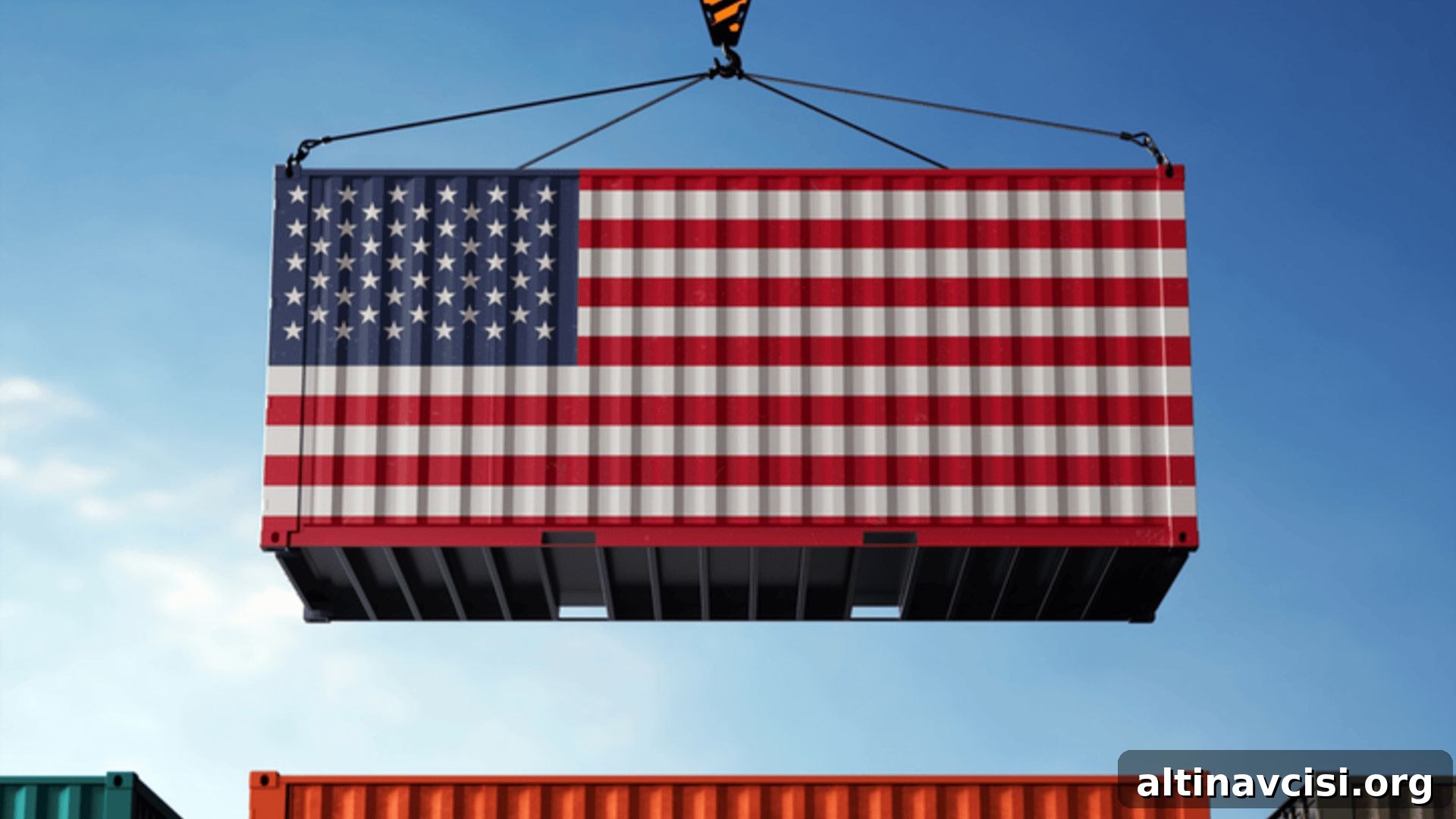
President Trump’s tariff on Chinese imports has been clarified as 145%, higher than the earlier reports of 125%.
The executive order released Thursday explains that the newly announced 125% “reciprocal tariff” is applied on top of preexisting 20% duties that were imposed previously in connection with fentanyl and immigration concerns. Taken together, those measures result in an effective rate of 145% on affected Chinese goods.
The clarification arrives amid a flurry of tariff-related developments this week. In addition to the China measures, the administration announced a 90-day pause on tariffs for countries other than China, a move that helped drive a strong market response: the S&P 500 jumped approximately 9.5% following the announcement. Markets reacted to the combination of targeted penalties on China and temporary relief for other trading partners.
Observers note that stacking the new reciprocal tariff on top of existing duties increases the financial burden on imports from China, raising costs for importers and potentially for consumers as well. The administration frames the policy as a response to specific harms related to fentanyl trafficking and immigration, while also pursuing broader trade leverage through the reciprocal tariff mechanism.
Analysts say the 145% effective rate will affect product flows, pricing and supply chain decisions. Import-dependent businesses may seek alternate suppliers or pass costs along to customers, while some manufacturers could reconsider sourcing strategies to avoid the higher duties. The overall economic impact will depend on how long the measures remain in place and whether trading partners respond with their own adjustments.
For now, the executive order makes clear that the 125% reciprocal tariff is not a replacement for earlier duties but an addition, producing the significantly higher total rate that has drawn attention from markets, companies and policymakers alike.