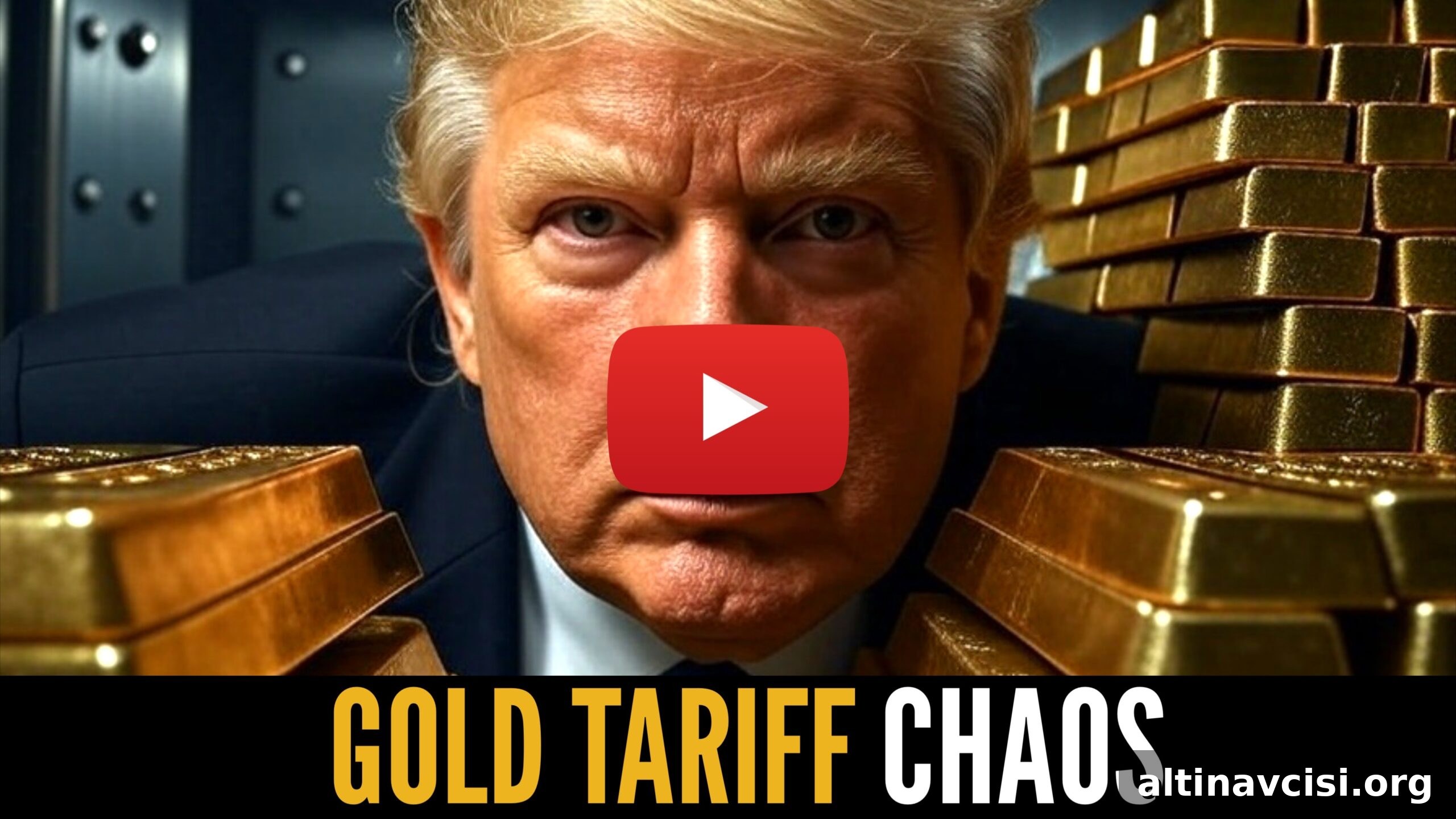
President Trump’s call for the Federal Reserve to reduce interest rates by three percentage points has heightened investor concerns about “fiscal dominance,” a situation in which controlling government borrowing costs takes precedence over combating inflation.
Following a recent budget bill that added trillions to the U.S. debt, and with Mr. Trump suggesting that lower rates could cut annual interest expenses by as much as $1 trillion, markets are increasingly wary of a potential return to politically driven monetary policy. Investors worry that pressure to keep borrowing costs low could limit the central bank’s ability to act against rising prices.
The dollar has already declined by roughly 10% this year, while Treasury yields remain relatively elevated—signals that investors are worried about inflationary pressures and the broader economic consequences of weaker central bank independence. Such developments raise the possibility that monetary policy could be subordinated to short-term fiscal needs, undermining credibility and long-term stability.
Historical examples underscore the risks. Germany’s hyperinflation in the 1920s and repeated financial crises in Argentina illustrate how political interference with monetary policy and prioritizing government financing can unleash rampant inflation, currency collapse, and deep economic pain. These precedents serve as stark reminders of why many economists and investors emphasize the importance of a central bank’s autonomy to preserve price stability.
While proponents of lower rates argue they can stimulate growth and reduce debt-service burdens, critics caution that premature or politically motivated rate cuts risk reigniting inflation, eroding purchasing power, and weakening investor confidence. The trade-off between short-term fiscal relief and long-term price stability lies at the heart of the debate, and market reactions to recent policy signals suggest investors are closely watching which priority will prevail.
Preserving central bank independence is seen by many as essential to maintaining credibility in monetary policy. If markets conclude that fiscal considerations are steering rate decisions, the cost of borrowing could rise further, and the currency could come under additional pressure—creating a feedback loop that makes inflation even harder to control.
As the discussion over rate cuts and fiscal policy continues, policymakers face the challenge of balancing immediate economic and political pressures with the need to sustain long-term macroeconomic stability. The outcome will influence inflation expectations, exchange rates, and the overall confidence that investors place in U.S. economic management.