7 Timeless Warren Buffett Rules for Gold and Silver Investors
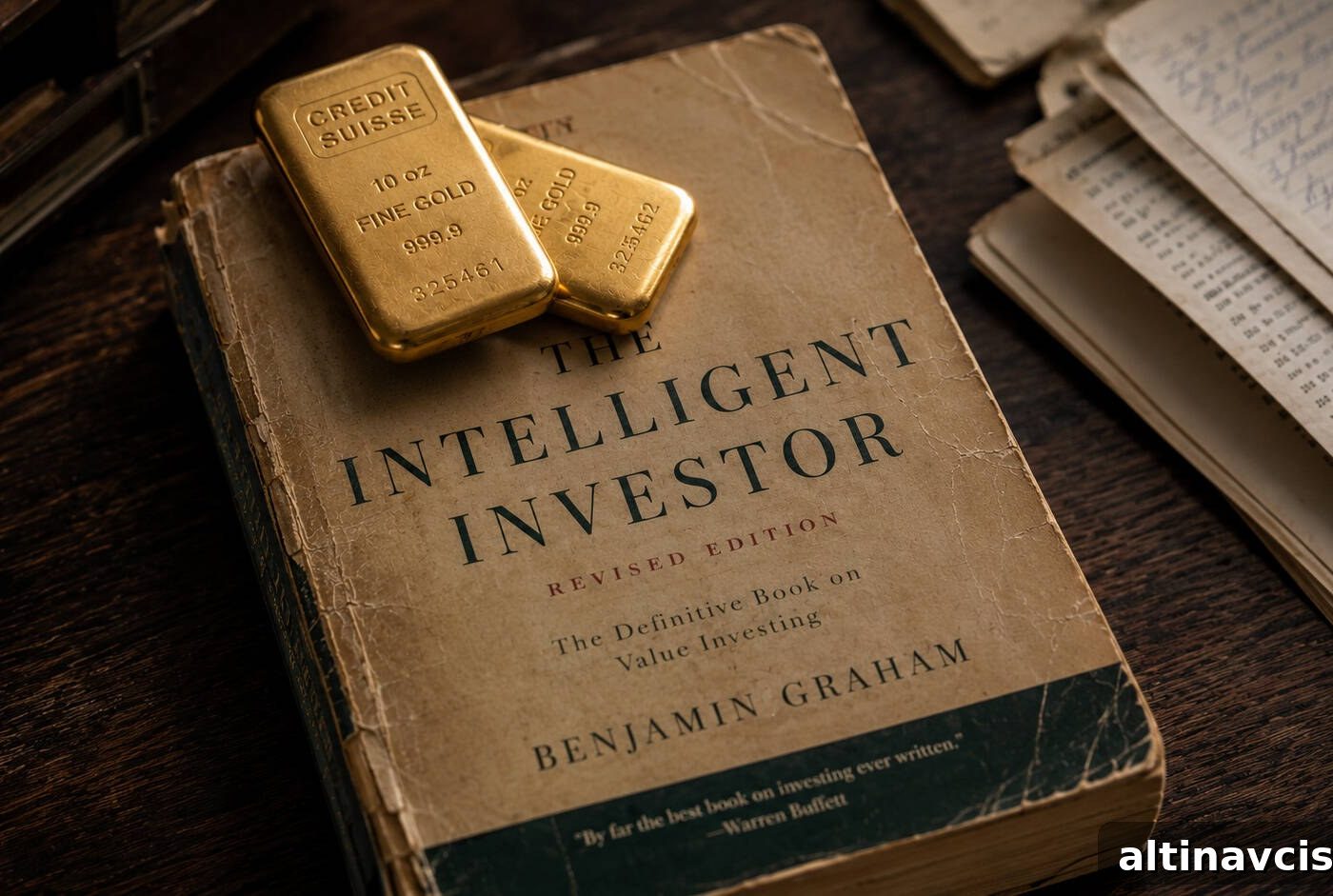
Warren Buffett has spent six decades avoiding gold as a preferred investment. Yet the core principles he teaches about building wealth — patience, conviction, independent thinking and the discipline to say no — align closely with a thoughtful case for owning physical gold and silver. His preference for productive businesses is personal; his rules for disciplined investing are universal.
Gold reached 53 new all-time highs in 2025 and exceeded $4,000 per ounce for the first time, ultimately peaking at $5,589.38/oz on January 28, 2026. Invoking Buffett in this context may seem surprising given his longtime criticism that gold “doesn’t produce anything.” But it’s important to separate his asset-class preference from the investing principles he describes. The principles apply across asset classes, including physical precious metals.
Buffett’s investing rules — developed over more than sixty years — are about temperament and process rather than specific securities. For an investor assembling a position in physical gold and silver, those rules provide a useful framework: know what you own, think long term, trust your own analysis and keep your emotions in check.
Rule 1 — What Does It Mean to Stay in Your Circle of Competence?
Buffett’s first rule is simple: invest only in what you understand. He confines his purchases to businesses he can clearly explain, placing everything else in a “too hard” pile. This limit isn’t a weakness — it’s an effective filter.
For precious-metals investors, that filter begins with monetary history. Gold has served as a monetary anchor in many civilizations for roughly 5,000 years. It has survived empires, currency collapses, and repeated monetary crises. Silver, too, has been used as money and as an industrial metal across major economies.
Understanding why gold and silver hold value comes down to a few definable ideas: finite supply, lack of counterparty risk, and global recognition. You don’t need to master every commodity market or every macroeconomic model. You need to understand what money is, how it gets debased and what historically protects purchasing power. That focused competence is sufficient to make reasoned decisions about physical precious metals.
Rule 2 — Why Does Focused Thinking Beat Constant Reaction?
Buffett spends his days reading and thinking rather than reacting to every market blip. He built his reputation on deep analysis and patient execution. As he famously said, “The stock market is a device for transferring money from the impatient to the patient.”
Gold and silver reward the patient investor. These metals favour long-term investors who grasp structural fundamentals over short-term traders who chase hourly price moves. Central banks bought hundreds of tonnes of gold in recent years because their reserve managers studied multi-decade monetary dynamics and acted, not because they were watching minute-by-minute charts. Retail investors who adopt the same calm, long-horizon approach can capture similar outcomes: stronger returns and far less stress from daily noise.
Rule 3 — What Is the “Inner Scorecard” and Why Does It Matter?
The “Inner Scorecard” is Buffett’s idea of judging your decisions by your own standards, not by external applause. Investors who act on genuine conviction tend to outperform those who wait for crowd approval, because by the time the crowd agrees the opportunity may be gone.
Precious-metals investors experience this tension often. When mainstream media labels gold “dead money” during an equity rally, a conviction-driven investor doesn’t need validation. The thesis — limited supply, no counterparty obligations and protection against monetary debasement — stands on its own. Those who trusted that thesis earlier captured outsized returns when prices shifted.
Rule 4 — How Does Saying No Protect Your Capital?
Buffett has observed that exceptionally successful people learn to say no to almost everything. In investing, saying no is an expression of capital discipline. Speculative fads — overleveraged equities, crypto manias, IPO bubbles — test whether you can stick to a disciplined plan.
A concentrated, high-conviction position in a well-understood asset often outperforms a scattered mix of things you chased impulsively. Physical gold and silver fit this profile: they require no active management, do not depend on corporate earnings or managerial decisions, and allow an owner to avoid recurring headline risk. Holding through market cycles without capitulating is difficult, but it is one of the most powerful ways to protect and grow capital.
Rule 5 — Can Emotional Discipline Actually Change Investment Outcomes?
Buffett credits much of his success to temperament — the ability to control impulses that lead others astray. Markets constantly tempt investors into poor choices: fear during pullbacks, greed during rallies, and impatience during quiet periods. Emotional discipline is a durable edge that quantitative models cannot replicate.
Gold and silver naturally reinforce that temperament. They don’t produce quarterly earnings that can disappoint; they are slow, reliable stores of value that reward steady holders. Long-term forecasts and cyclical outlooks matter less than the underlying structural case: central-bank accumulation, diversification away from a single reserve currency, and persistent fiscal and monetary expansion can underpin precious-metal demand over many years.
Rule 6 — Why Does the Quality of Your Information Sources Matter?
Buffett surrounds himself with people who challenge and improve his thinking. The information and mentors you choose shape how well you evaluate opportunities. In the precious-metals world, the difference between helpful analysis and promotional noise can be material.
Quality research clarifies why you own a metal and how long your thesis might take to play out. Poor sources often benefit from investor anxiety and push transactions rather than education. Buffett’s own active interest in silver in the late 1990s illustrates the point: he and his team did independent analysis, concluded the market mispriced a structural shortage and acted decisively based on data and conviction.
Rule 7 — Is There a Right Time to Sell, or Is Holding the Real Strategy?
Buffett’s preferred holding period is essentially forever. Wealth compounds not through frequent exits but by staying invested in compounding assets. “When in doubt, keep holding,” he advises, because premature selling hands future gains to those who remain.
Gold, for example, rose from roughly $280/oz around 2000 to several thousand per ounce over the following decades—across recessions, bull markets and periods when other assets looked more attractive. That kind of appreciation often requires patience rather than tactical timing. Silver’s case is similar but also includes structural industrial demand—solar panels, electric vehicles and electronics—that supports long-term deficits and can take years to resolve.
Your Gold Buying Guide Many investors overpay when they buy precious metals and again when they sell. This guide explains what to own and why — practical advice for long-term holders.
Subscribe for updates: (form removed for privacy and functionality.)
People Also Ask
How do Warren Buffett’s investment rules apply to gold and silver investing?
Buffett’s core principles — staying within your circle of competence, thinking long term, trusting your own analysis and remaining disciplined during market stress — describe the mindset needed to hold physical gold and silver successfully. The asset class differs from Buffett’s preferred stocks, but the disciplined approach is identical.
What is Warren Buffett’s “Inner Scorecard” and how does it apply to precious metals?
The Inner Scorecard means judging your decisions by your own analysis rather than by popular opinion. For precious-metals investors, it means holding a reasoned position based on monetary fundamentals even when mainstream commentary is skeptical.
Why did Warren Buffett buy silver at times when he avoided gold?
In the late 1990s, Buffett’s team concluded that silver faced a structural supply imbalance relative to demand. After independent research, they accumulated a significant position that later produced meaningful gains. That decision was based on specific supply-and-demand dynamics rather than a general endorsement of all precious metals.
What does “circle of competence” mean for precious-metals investors?
It means investing only in areas you understand well: monetary history, the mechanics of money supply and currency debasement, and the supply-demand drivers for gold and silver. Depth of knowledge in a narrow area beats superficial breadth across many markets.
What are the risks and rewards of applying Buffett’s rules to gold and silver?
The reward is a disciplined, conviction-based position in assets with long monetary histories and structural demand drivers. The primary risk is patience: precious metals can underperform for extended stretches, which tests conviction, emotional discipline and the ability to adhere to an inner scorecard.
You Don’t Need to Think Like Buffett. You Already Do.
Buffett has made clear he will not buy gold as a principal holding. That does not negate the overlap between his teachings and what makes a successful precious-metals investor. Patience, conviction, resisting distractions and doing the reading are universal investing virtues that support sound decisions in gold and silver alike.
Many long-term buyers of physical metal started because they saw an imbalance in monetary policy or a risk to purchasing power that the broader market ignored. They held because the thesis remained intact, rejected distractions, and continued to learn. That approach — careful analysis followed by disciplined holding — is Buffett’s playbook applied to a different instrument.
The case for gold and silver should be revisited periodically with rigorous thinking, not out of panic but as part of ongoing intellectual discipline. Reassess the thesis as new data appears and remain guided by your circle of competence.
SOURCES
1. World Gold Council — Central banks and gold demand trends, full year 2025 (source referenced).
2. World Gold Council — Gold outlook and market commentary, 2026 (source referenced).
3. J.P. Morgan Global Research — analysis of gold price drivers and forecasts (source referenced).
4. Berkshire Hathaway — 1997 annual letter to shareholders (source referenced).
5. Silver Institute — World Silver Survey and industrial demand data (source referenced).
Disclaimer: This article is for informational and educational purposes only. It does not constitute investment advice. Consult a qualified financial adviser before making any investment decisions.
You may also like:
- Gold vs. Bitcoin: Which hard asset will protect your wealth?
- Why central banks sell gold — and what it means for prices
- Why gold deserves a permanent spot in your portfolio
- Silver vs. gold: A five-year investment guide
- $5,500 gold by Q1 2027? Central bank dynamics and risk drivers
- Why gold stabilizes — and silver amplifies
- COMEX silver coverage ratio: understanding paper versus physical silver
- What the gold price per ounce really tells you
Popular Topics
Picked from the archive
-
01
 Topics
Why Silver Fell 6.8% in Nine Days: Real Yields, Not Inflation
-
02
Topics
How Central Banks Set Their Gold Reserve Levels
-
03
Topics
Gold Prices: 5 Forces Investors Are Watching Now
-
04
Topics
Gold as an Emergency Fund: Pros, Cons, and Liquidity
-
05
Topics
Gold Radar: 5 Hidden Signals Your Price Chart Misses
-
06
Topics
Federal Reserve Votes Wednesday: Track the Vote Tally
-
07
Topics
TIPS vs Gold: Which Protects Your Wealth From Inflation?
-
08
Topics
Two Investors Ran Debt Math Separately and Chose 15 Percent Gold