Precious metals investors are watching market conditions closely as gold and silver hover at pivotal price points. While both metals have posted impressive gains, several converging factors suggest we may be seeing the early stages of a sustained gold and silver price surge rather than a market peak.
Understanding these catalysts can help you position a portfolio to benefit from potential upside while managing risk. Below are seven key reasons why gold and silver could continue rising from current levels.
1. Central Bank Demand Remains at Record Highs
Central banks worldwide have shifted from net sellers to persistent buyers of gold, marking a meaningful change in how nations manage reserves. Many countries are diversifying away from dollar-denominated assets and adding physical gold to their balance sheets.
In recent years, central bank purchases have reached levels not seen since the late 1960s. Nations such as China, India, Poland and Turkey have all expanded holdings, reflecting concerns about fiat currency stability and long-term global monetary arrangements. Sustained institutional buying from entities that manage national wealth can provide a steady, structural source of demand that individual investors should consider when allocating to precious metals.
2. Real Yields Are Working in Gold’s Favor
Gold’s price behavior is closely tied to real yields — interest rates adjusted for inflation. When real yields fall or remain negative, non-yielding assets like gold become relatively more attractive because the opportunity cost of holding them declines.
Current monetary policy dynamics suggest real yields may stay compressed for the foreseeable future. Central banks face the trade-off between controlling inflation and supporting growth, which can leave nominal rates lagging actual inflation. That environment has historically favored precious metals. Even with moderating inflation, real yields for longer-term Treasuries have often hovered near zero, creating a supportive backdrop for both gold and silver.
3. Silver’s Historic Rally Demonstrates Its Explosive Leverage
The gold-to-silver ratio shows how many ounces of silver equal one ounce of gold. After extreme readings earlier in recent years, the ratio has compressed significantly, reflecting silver’s strong relative performance during the rally.
Silver often displays higher upside during bull markets because it combines monetary and industrial demand. Past episodes show that when the ratio moves from extreme readings back toward historical averages, silver can outperform gold by a wide margin. That leverage works both ways: silver’s greater volatility can produce outsized gains but also sharper pullbacks, so risk management is important for investors using silver to amplify exposure.
4. Industrial Demand for Silver Creates a Supply Squeeze
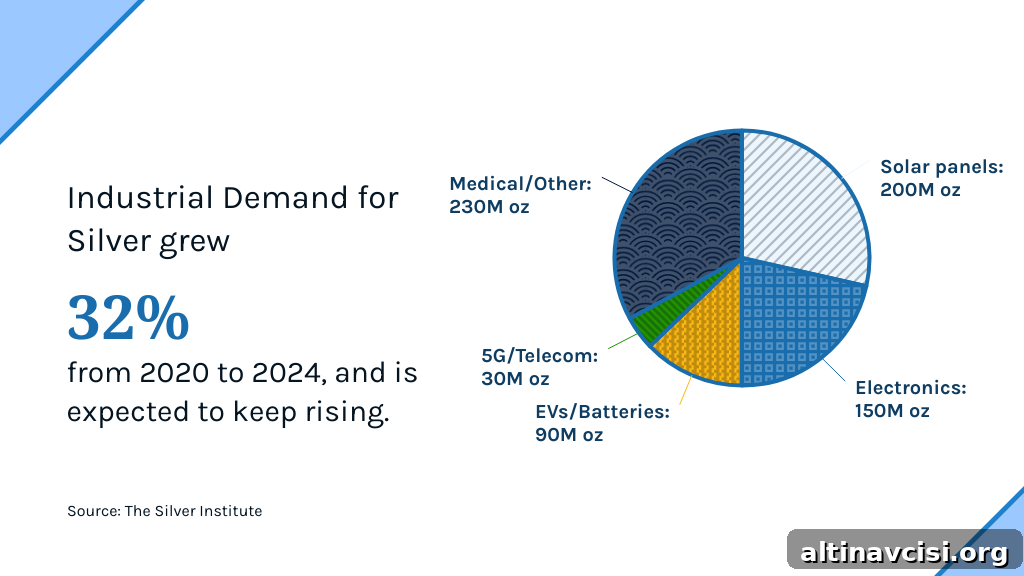
Unlike gold, silver is heavily consumed by industry as well as investors. Silver’s electrical conductivity and antimicrobial properties make it essential for technologies including solar panels, electric vehicles, 5G infrastructure and medical devices.
Industrial demand has risen quickly. Solar panels and EVs, in particular, permanently remove silver from available stocks because silver embedded in products is not typically recycled back into the market. Annual mine production has struggled to match combined industrial and investment demand, producing deficits that have been filled by recycling and above-ground stocks. Over time, persistent deficits can drive meaningful price appreciation if supply and demand remain out of balance.
5. Geopolitical Tensions Are Intensifying
Heightened geopolitical uncertainty — from regional conflicts to shifting trade relationships — tends to increase demand for safe-haven assets. Gold and silver have historically preserved value across varied political outcomes and are difficult to sanction or freeze in the same way as financial assets.
Recent episodes of conflict and economic friction have coincided with sharp moves higher in precious metals. As geopolitical risks persist, safe-haven demand can remain an important and enduring source of support for prices.
6. Currency Devaluation Concerns Are Growing
High government debt levels and expansive monetary policies have raised questions about long-term currency stability. Concerns about fiscal sustainability and the real value of fiat money can push investors toward assets that retain purchasing power over long horizons. Precious metals are often used as a hedge against currency weakness and inflationary pressures.
When confidence in fiat currencies is pressured, demand for gold and silver tends to rise. These metals have preserved value across centuries and can act as insurance against monetary uncertainty, which becomes more relevant as fiscal imbalances and unconventional policy measures persist.
7. Technical Indicators Suggest a Breakout Is Imminent
From a technical perspective, recent price action showed powerful moves that are characteristic of bull markets. Strong rallies, rising volume and the establishment of new support zones indicate that the market may be transitioning from consolidation to a new discovery phase.
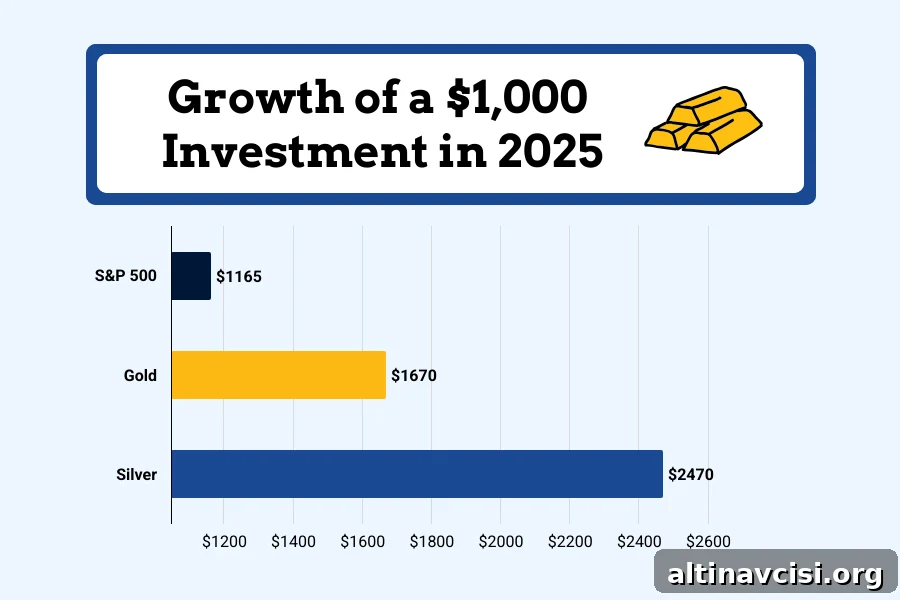
Significant gains often come in multiple waves rather than a single parabolic move. Historical rallies show that meaningful corrections can occur along the way, presenting both risk and potential entry opportunities for disciplined investors who manage position sizing, stops and profit-taking.
Positioning Your Portfolio for 2026
Translating these themes into action requires alignment with your individual risk tolerance and time horizon. Dollar-cost averaging is a prudent method to build exposure gradually and reduce the risk of poor timing.
Conservative allocations might include a modest weighting to gold for stability and a smaller allocation to silver. More aggressive investors seeking higher upside can allocate more to silver while recognizing its greater volatility and the importance of risk management tools like stop-losses or partial profit-taking.
The combination of persistent central bank demand, favorable real-yield dynamics, industrial-driven silver deficits, geopolitical uncertainty and positive technical cues creates a compelling case for continued upside in precious metals. That said, perfect timing is impossible; measured, risk-aware positioning tends to serve long-term investors best.

The Financial System Isn’t Safer — And You Know It
As risks mount, see why gold and silver are projected to keep shining in 2026 and beyond.
Stay On Top of Gold & Silver Prices
Get important market alerts sent straight to your inbox.
People Also Ask
What are the key factors driving gold and silver prices higher?
Record central bank purchases, compressed real yields, rising industrial demand for silver, geopolitical uncertainty, currency devaluation concerns and supportive technical patterns together create multiple drivers pushing precious metals higher.
Is now a good time to invest in gold and silver?
After significant recent gains, timing is more challenging. Dollar-cost averaging helps smooth volatility and reduces the risk of poorly timed lump-sum purchases. Align allocations with your risk tolerance — more conservative portfolios may favor gold for stability, while higher-risk investors may add silver for greater upside potential, keeping in mind silver’s higher volatility.
How does the gold-to-silver ratio impact investment decisions?
The gold-to-silver ratio is a tactical indicator that reflects relative value between the two metals. A compressed ratio after a strong silver run suggests silver has outperformed, though it can compress further in continued bull markets. Use the ratio as one input among many when timing entries or adjusting allocations.
What role do central banks and industrial demand play in the price surge?
Central banks provide steady institutional demand for gold, while industrial consumption — especially for silver in solar panels, EVs and electronics — permanently removes metal from available stocks. Together, institutional buying and rising industrial use create structural support for prices.
What are the risks of investing in gold and silver at current levels?
Key risks include elevated volatility after large gains, potential rises in real yields that favor bonds, easing geopolitical tensions that reduce safe-haven demand, and weaker industrial consumption that could hit silver. Many experts recommend keeping precious metals within a moderate share of a diversified portfolio and managing risk through position sizing, stop-losses and partial profit-taking.
Past performance does not guarantee future results. This article is for informational purposes only and is not investment advice. Always conduct your own research or consult a financial advisor before making investment decisions.