Daily News Nuggets | Today’s top stories for gold and silver investors
February 19th, 2026 | Brandon Sauerwein, Editor
Debt Tops $38.6 Trillion as $1T Added This Fiscal Year
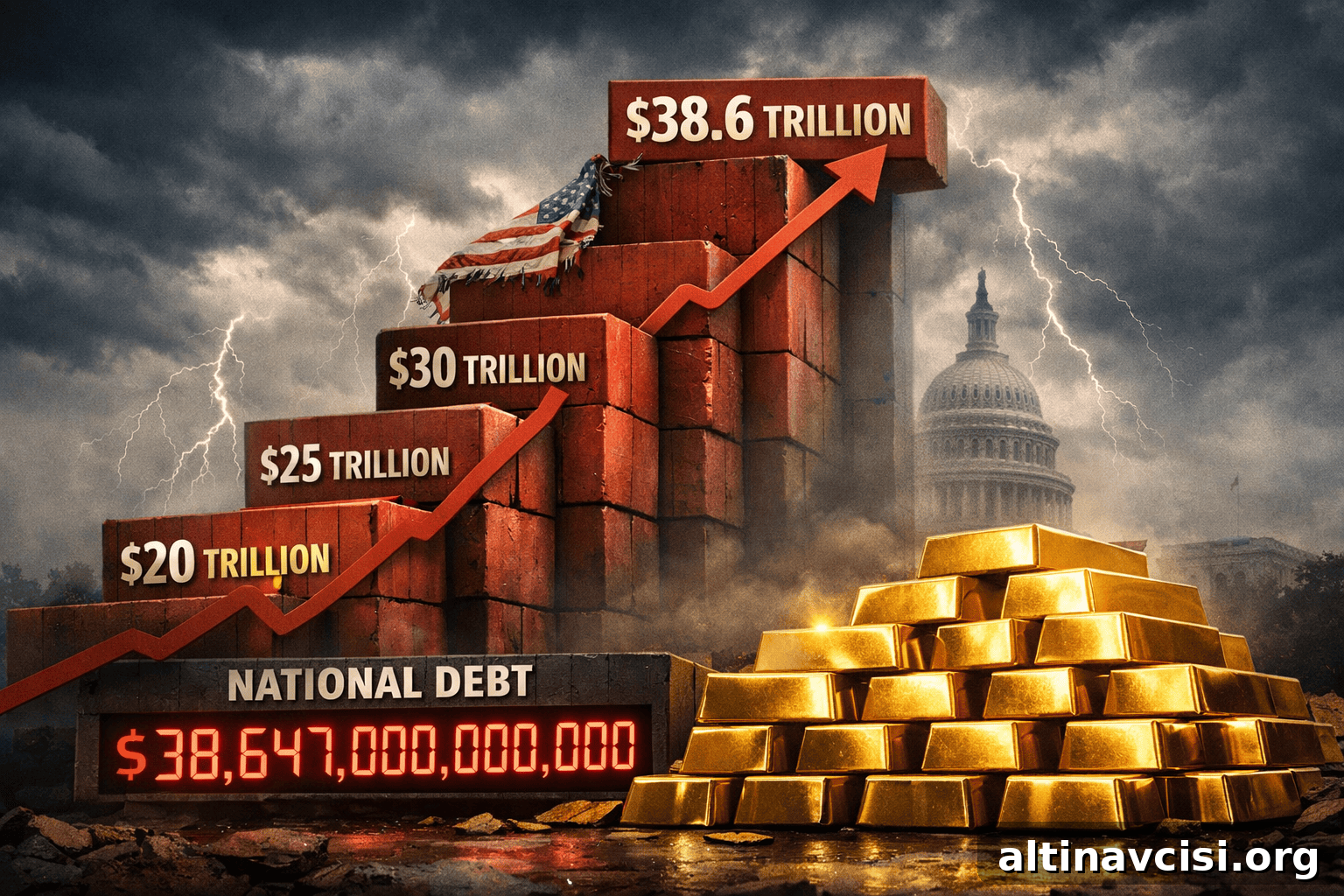
The link between rising national debt and higher gold prices is becoming more pronounced. The Joint Economic Committee reported that more than $1 trillion has been added to the national debt this fiscal year, pushing the total to $38.647 trillion.
30 Years of Borrowing — With No End in Sight
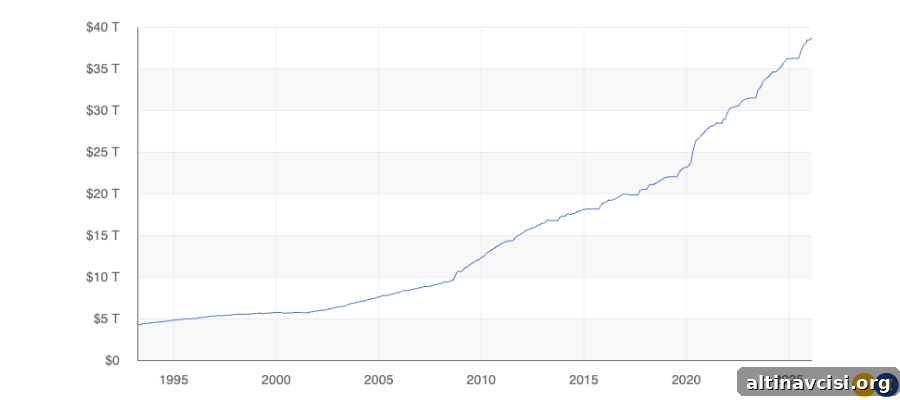
Interest costs are already a major strain. In the first four months of the fiscal year, interest payments reached $346 billion — roughly 14% of federal spending so far. When interest paid to government trust funds is included, interest becomes the second-largest federal expense and is on pace to become the largest.
The underlying problem is compounding: the government is borrowing to pay interest on existing debt while also borrowing to fund current operations. That dynamic reduces funding available for infrastructure, defense, and social programs, and makes long-term fiscal policy increasingly unsustainable.
Fed Signals Surprise Shift Toward Easing
Federal Reserve officials have recently signaled greater openness to rate cuts in the months ahead — a notable departure from the “higher for longer” stance that has dominated policy. No immediate rate moves were announced, but the shift in tone reflects improved inflation progress and signs of a softer labor market and slowing consumer demand.
Markets responded quickly. Treasury yields fell as traders priced in higher odds of easing later in the year, and equities rallied on the prospect of looser policy. Still, the Fed faces a delicate balance: cutting rates too soon could reignite inflation, while holding too long risks stalling growth.
The bigger picture: the Fed appears to be moving from a singular focus on lowering inflation toward a dual emphasis on price stability and growth. That creates a more complex and potentially volatile environment for bonds, equities, and precious metals.
The Edge Every Investor Needs
Smarter precious metals investing starts here. The Nuggets Newsletter delivers market insights, Fed updates, global trends, and educational content.
Inflation “Slower and More Uneven” — Fed Minutes Raise the Bar for Cuts
The Fed’s January FOMC minutes highlighted a more cautious outlook. Most policymakers warned that progress toward the 2% inflation target could be slower and more uneven than expected, and they noted a meaningful risk of inflation remaining above target.
Markets reacted by pushing Treasury yields higher as investors scaled back expectations for near-term rate cuts. The minutes also reintroduced two-sided risk language, acknowledging that rate increases could be warranted if inflation fails to ease — a reminder that further tightening remains a possibility.
For precious metals investors, persistent inflation that resists easy policy responses tends to be bullish for gold. When the Fed faces a dilemma between easing and reigniting inflation, demand for safe-haven assets often rises.
Middle East Tensions Inject Premium Into Oil Prices
Geopolitical concerns pushed oil sharply higher this week. Brent crude climbed above $71 a barrel and WTI traded above $65, marking the largest single-day increase since late 2025. Traders reacted to reports of rising military tensions and stalled nuclear negotiations, which increased fears of potential disruption to supply.
The Strait of Hormuz remains the focal point: that chokepoint handles roughly one-fifth of global oil transit, so even the threat of disruption can quickly lift prices. Geopolitical risk premiums often move markets before concrete events occur, and the same dynamic tends to boost safe-haven demand for gold.
Stay On Top of Gold & Silver Prices
Get important market alerts sent straight to your inbox.
Rising Gold Prices Deliver Windfall for Major Miner
Gold’s recent rally has translated into outsized profits for miners. Gold Fields, a major South African producer, reported that full-year profit more than doubled, driven largely by higher realized bullion prices.
Higher prices expanded margins and boosted free cash flow despite rising costs for labor, energy, and capital. This demonstrates operating leverage: miners have substantial fixed costs, so when prices move higher, profits can accelerate faster than revenue.
Investors should note the flip side: that same leverage magnifies downside when gold falls. Mining stocks often outperform on the upside and underperform on downturns, making them a higher-volatility option compared with holding physical metal.
You May Also Like
- Gold Support Levels Firm as Washington Backs Minerals
- Gold Slips Below $5K as Jobs Revisions Rattle Markets
- Gold Near $5,000 as Fed Faces Sticky Inflation
- Markets Eye Friday’s CPI; Credit Card Debt Hits Record High
- Silver Volatile, Gold Resilient After January Jobs Surprise