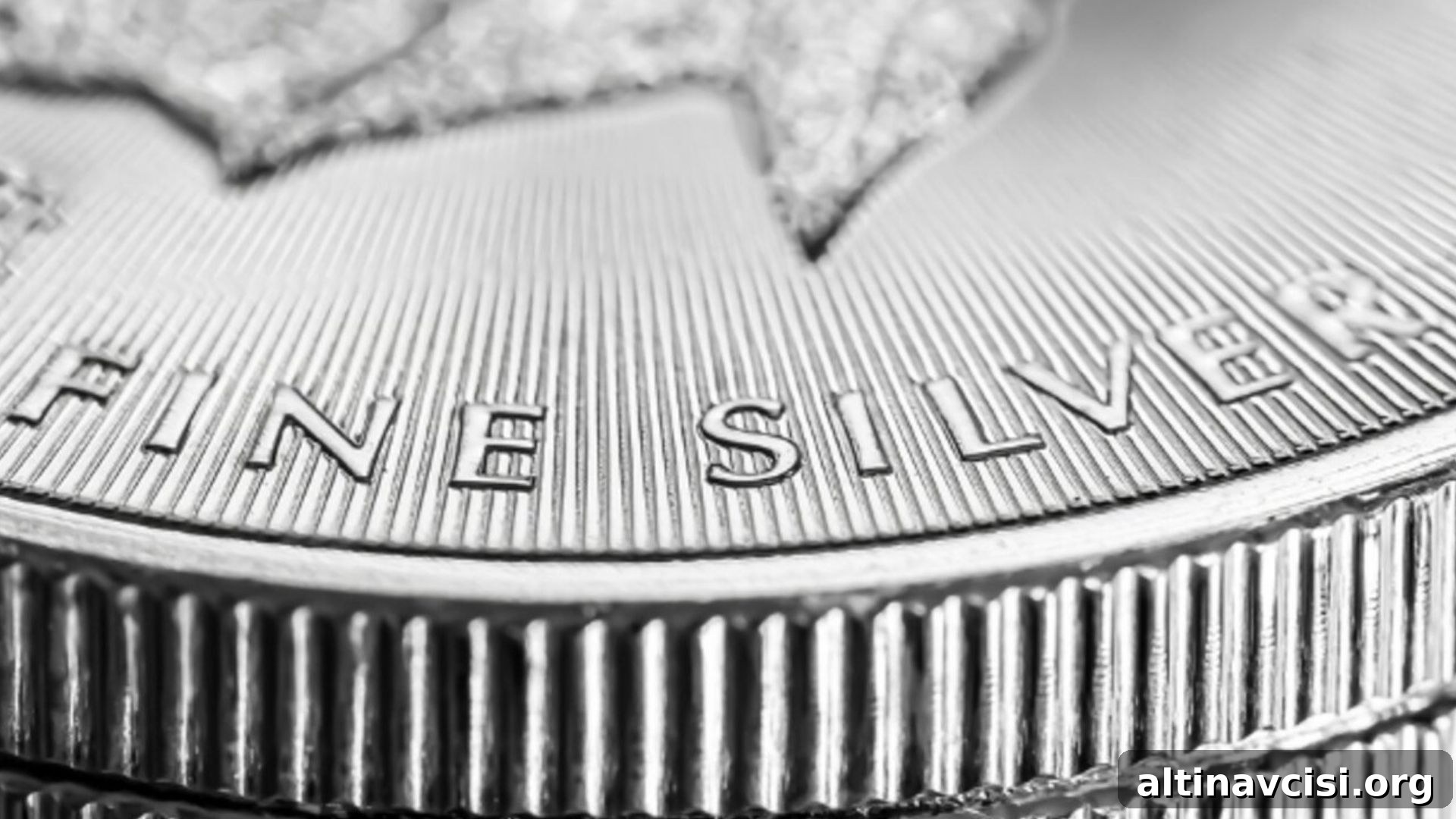
Silver futures have surged to their highest levels in 13 years, driven by accelerating technical momentum that suggests the rally may continue. A bullish MACD crossover has confirmed the breakout, giving traders and investors a clear technical signal that upward momentum could persist.
Fundamentals support this technical strength. Global risk appetite remains fragile, and ongoing geopolitical tensions—from strained U.S.-Russia relations to periodic tariff disputes—are keeping demand for safe-haven assets elevated. While gold has already reached record highs, silver continues to appear relatively undervalued, leaving room for further gains toward its all-time peak near $50.
Several factors contribute to silver’s potential upside. Silver benefits from both monetary and industrial drivers: it acts as a haven during periods of financial uncertainty and also enjoys steady demand from electronics, photovoltaics, and other industrial applications. As central banks around the world maintain accommodative policy stances and inflation expectations remain, precious metals often attract capital seeking protection. At the same time, continued growth in renewable energy and electronics manufacturing supports structural industrial demand for silver.
From a technical perspective, the recent breakout above long-term resistance has been accompanied by rising volume and improving momentum indicators. The MACD crossover—where the faster moving average crosses above the slower one—typically signals the start of a sustained trend when confirmed by other indicators. Traders monitoring moving averages, RSI levels, and volume trends will be watching for pullbacks that find support at higher lows, which would reinforce the bullish case.
Risk management remains essential. Despite the positive outlook, silver can be volatile, and short-term corrections are possible if market sentiment shifts or if macroeconomic indicators surprise to the upside for growth expectations. Investors should consider position sizing, stop-loss levels, and time horizons consistent with their risk tolerance. For those seeking exposure to silver, options include futures contracts, exchange-traded funds, physical bullion, or shares of mining companies—each with different liquidity, cost, and operational considerations.
In summary, the combination of a confirmed technical breakout, supportive macro drivers, and dual demand from investment and industry points toward further upside potential for silver. While gold’s record highs have grabbed headlines, silver’s relative undervaluation and favorable dynamics suggest it could continue to attract investor interest as markets navigate geopolitical uncertainty and shifting economic conditions.