Selling Gold? How the 28% Collectibles Tax Rule Works
Key Takeaways
- The IRS treats physical gold, silver, and many physically backed metal ETFs (for example, grantor-trust style funds) as “collectibles.” Long-term capital gains on collectibles are taxed at a maximum federal rate of 28%, not the lower 15–20% rate that generally applies to stocks and bonds.
- Gold mining stocks, futures-based funds, and ETFs that hold mining equities are taxed like ordinary securities; they are not subject to the collectibles rate and generally qualify for the standard long-term capital gains brackets.
- When you gift physical metal, the recipient inherits your original cost basis and holding period; gifting does not create an immediate taxable event. Inherited metal typically receives a step-up in basis to fair market value at the decedent’s date of death, which can eliminate most built-up taxable gains.
- Holding physical metal for longer than one year moves the sale into long-term treatment, but long-term gains on collectibles are capped at 28%. Selling within one year results in short-term gains taxed as ordinary income.
If you sell gold you’ve held for two years, the IRS doesn’t apply the same capital gains treatment used for stocks. Instead, it treats physical gold and similar tangible precious metals as collectibles, which means long-term gains are subject to a higher maximum federal rate. Understanding how the tax code classifies metal — bullion, coins, bars, and many physically backed ETFs — is essential for accurate after-tax planning.
How is gold taxed when you sell it?
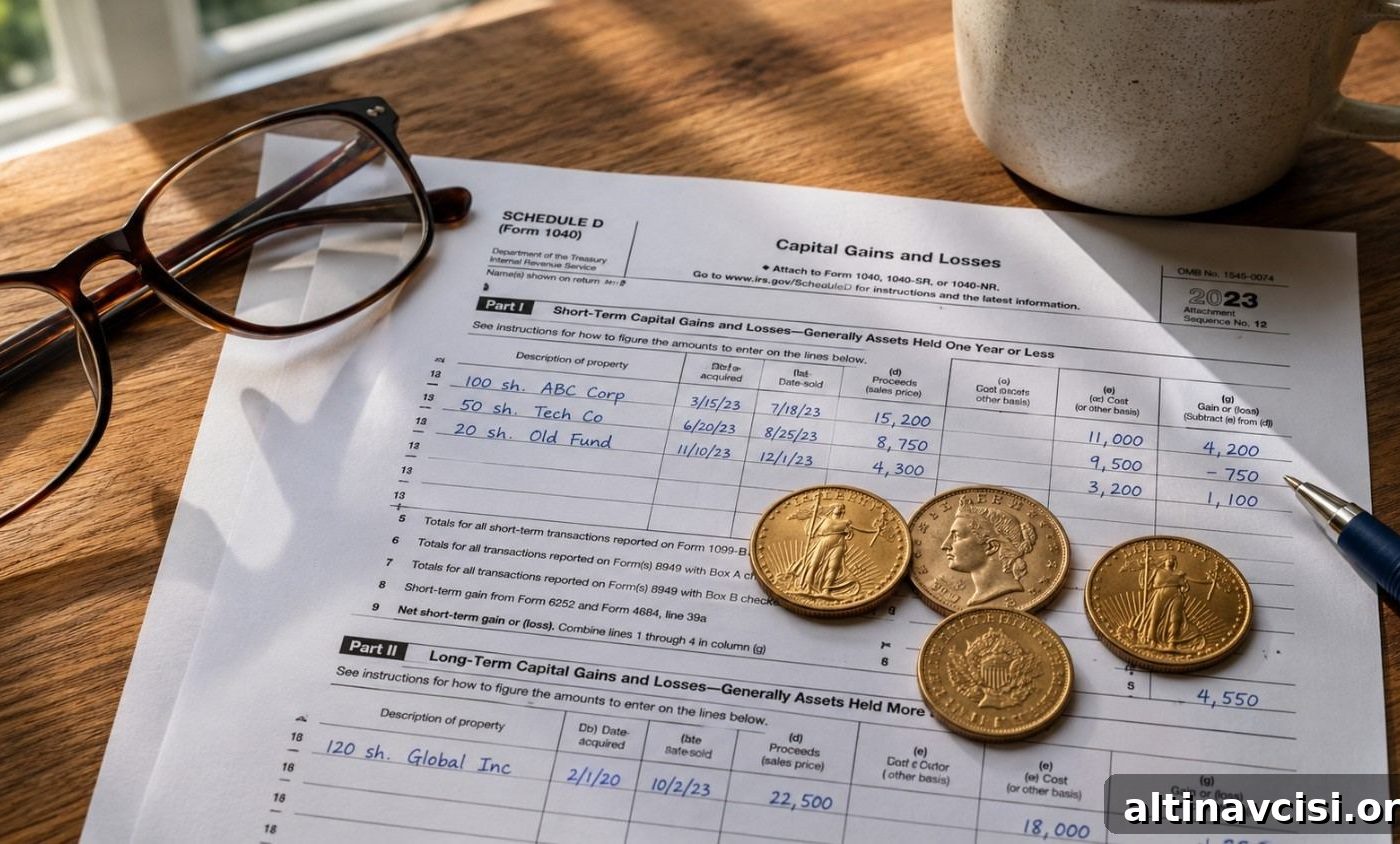
The IRS classifies physical gold and silver as collectibles, which places long-term gains under a maximum federal tax of 28%. While most long-term capital gains on securities fall into the 0%, 15%, or 20% brackets depending on income, the tax code specifically treats collectibles differently. Short-term gains — sales within one year — are taxed as ordinary income regardless of the asset type.
This distinction matters beyond the headline rate. For taxpayers in higher ordinary income brackets, the 28% cap can be better than paying their top marginal rate on an ordinary gain. By contrast, taxpayers in lower brackets may end up paying more on a collectible sale than they would on a stock sale taxed under the standard long-term brackets. Also note that buying physical metal does not create a federal tax event; the taxable event occurs only when you sell and only on any gain realized.
The Knowledge That Changes Everything

Two essential guides — yours free. Learn why gold matters, how fiat currencies lose value, and how to protect wealth with physical metal.
Why does the IRS tax gold differently than stocks?
The collectibles tax treatment dates back to changes in the 1990s. When Congress reduced the standard long-term capital gains rate for many assets, it deliberately kept collectibles in a separate category and left their long-term rate at 28%. Lawmakers viewed collectibles — art, stamps, coins, and similar tangible property — as possessions held partly for enjoyment or speculation rather than productive business investments. That historical distinction now governs how physical precious metals are taxed.
Many owners buy gold as a monetary hedge or store of purchasing power, not as a hobby. Still, the tax code’s language focuses on the asset’s tangible nature rather than its monetary function. As a result, gold sits in a tax category designed for a different set of assets, and that classification remains the key determinant of your after-tax outcome when you sell.
Isn’t the higher rate just the price of financial independence?
Some argue that a higher tax is the cost of owning an asset outside the banking system. That’s an appealing narrative, but the tax code does not base its rate on monetary policy or independence. The same 28% collectible rate applies to items like vintage guitars and rare stamps. The practical takeaway is this: the tax consequence results from statutory classification, not from the purpose you hold the metal for. When comparing returns, run the after-tax numbers rather than assuming parity with stock investments.
Does the 28% rate apply to gold ETFs too?
Yes — for ETFs that are structured as grantor trusts holding physical metal directly. Major funds that operate this way are treated like ownership of the underlying metal for tax purposes; selling shares is treated the same as selling physical bullion. By contrast, ETFs that hold mining stocks or futures contracts are taxed like ordinary securities and generally qualify for the standard long-term capital gains rates.
Always check a fund’s structure in its prospectus: that disclosure determines tax treatment, not the ticker symbol or marketing. Many investors assume ETFs automatically avoid the collectibles rule; in practice, the fund’s legal structure is decisive.
What about gold mining stocks?
Mining companies issue equity, so shares in gold miners are treated as ordinary securities. Long-term gains on mining stocks are taxed under the standard capital gains schedule rather than the collectibles ceiling. For investors who want exposure to gold’s price without the collectibles tax, mining equities and certain ETFs that hold those equities can be a tax-efficient option. That said, mining stocks carry company-specific risks and do not represent direct ownership of physical metal.
How are gold and silver taxed inside an IRA?
Physical bullion is generally disallowed inside IRAs because it’s classified as a collectible. However, the tax code permits certain coins and bullion that meet minimum purity standards to be held in a properly administered self-directed IRA through an approved custodian. When held inside an IRA, distributions are taxed as ordinary income when you withdraw them in retirement; the IRA’s tax rules override the collectibles rate. Using an IRA changes the timing and nature of taxation, but also brings custodial and storage requirements to consider.
What happens to the tax bill if you gift or inherit gold?
Gifting metal during your lifetime generally does not create an immediate tax liability; the recipient inherits your original cost basis and holding period. The annual gift tax exclusion allows a specified amount per recipient each year without using unified credit. Inherited metal typically receives a step-up in basis to fair market value at the decedent’s date of death, meaning heirs often face little or no taxable gain if they sell soon after inheriting. Which path — gifting or bequeathing — is preferable depends on the estate’s circumstances and the recipient’s likely tax bracket.
The after-tax return nobody advertises
Market price headlines show nominal returns, but your realized gain depends on taxes. A large gain taxed at the collectibles rate can materially reduce your net proceeds compared with an equivalent gain taxed under ordinary long-term capital gains rules. That difference is not a flaw in gold as an asset; it is a consequence of how the tax code distinguishes tangible property from securities. For planning purposes, structure matters: holding physical bullion, owning shares of a physically backed ETF, holding mining equities, or using an IRA all lead to different tax outcomes while preserving gold’s role as a monetary hedge.
Stay On Top of Gold & Silver Prices
Get important market alerts sent straight to your inbox.
People also ask
What tax rate do I pay when I sell gold?
If you sell physical gold or silver after holding it for more than one year, the long-term gain is subject to the collectibles tax treatment, with a maximum federal rate of 28%. If you sell within one year, the gain is taxed as ordinary income at your marginal rate.
Is gold taxed the same as stocks?
No. Stocks and bonds benefit from the standard long-term capital gains schedule (0%, 15%, or 20% depending on income). Physical precious metals and many physically backed metal trusts are treated as collectibles and face a distinct long-term maximum rate of 28%.
Do I pay tax when I buy gold, or only when I sell it?
There is generally no federal tax when you buy physical gold or silver; states may charge sales tax. The taxable event occurs when you sell, and tax applies only to the gain — the difference between your sale proceeds and your purchase price.
Are gold ETFs taxed the same as physical gold?
It depends on the ETF’s structure. Grantor-trust ETFs that hold physical metal directly are taxed like physical bullion. ETFs that hold mining equities or futures are taxed like ordinary securities and typically qualify for the standard long-term capital gains rates.
Can I avoid the 28% collectibles tax on gold?
You cannot avoid the collectibles tax for physical metal held in a taxable account if the law applies. Options to change tax exposure include owning mining stocks, using futures-based funds, or holding qualified metal inside a properly structured self-directed IRA; each option has different tax mechanics and investment trade-offs.
How is inherited gold taxed?
Inherited gold typically receives a step-up in basis to the fair market value on the date of death, which often eliminates most prior appreciation for tax purposes. When the heir sells, taxable gain is calculated from that stepped-up basis.
Does gifting gold trigger a tax bill?
Gifting does not trigger immediate income tax for the recipient; they inherit the donor’s cost basis and holding period. Gift tax rules and annual exclusions may apply to the donor’s estate and should be considered in estate planning.
Can I hold physical gold in my IRA without paying the collectibles rate?
Yes, certain coins and bullion that meet IRS purity standards can be held in a self-directed IRA through an approved custodian. In that structure, IRA rules govern taxation (distributions taxed as ordinary income) rather than the collectibles capital gains regime.
Sources
1. IRS — Topic no. 409, Capital Gains and Losses (IRS guidance on capital gains)
2. U.S. tax code references for capital gains and collectibles (relevant sections include provisions that define collectibles and capital gain rates)
3. IRS guidance on gifts and inheritances (rules on basis and gift tax exclusions)
4. Technical IRS guidance addressing taxation of shares in physically backed trusts (historical internal guidance and interpretations)
5. Industry commentary on ETF structures and tax implications (analysis of grantor-trust ETFs versus equity and futures-based funds)
Disclaimer: This article is informational and not financial or tax advice. Consult a qualified tax professional or financial adviser before making investment decisions or tax-related moves.
You may also like:
- Most gold storage isn’t allocated. How to check yours.
- Garner calls a $3,600 floor. Is gold going lower?
- Why is gold so expensive? The five mechanisms behind the price.
- Gold vs. savings account: Which one is actually beating inflation?
- Seigniorage: The hidden tax on every dollar you hold.
- Gold has a 0% risk weight and an 85% funding penalty. Banks are asking why.
- Deutsche Bank found gold’s price floor. It’s not the buyers you think.
Popular Topics
Picked from the archive
-
01
 Topics
Why BRICS Nations Are Stockpiling Gold
-
02
Topics
Gold Prices Fall to Seven-Month Low as Geopolitical Fear Fades
-
03
Topics
CPI-Adjusted Silver vs Spot Price: What the Ratio Reveals
-
04
Topics
Shutdown Nears Deadline as Gold Soars 12% in September
-
05
Topics
Gold Price Up 1.5% as ADP, ISM and Beige Book Weigh on Fed
-
06
Topics
Silver vs Gold 2026-2031: 5-Year Investment Outlook
-
07
Topics
US Jobless Claims Jump to 3-Month High, Point to Labor Softening
-
08
Topics
How Fed Pause and Rising PPI Affect Gold Prices