Secret Beijing Tariff Exemptions Fuel Trade War, Trump Reacts
China Quietly Exempts Some U.S. Goods from High Tariffs amid Ongoing Trade Tensions
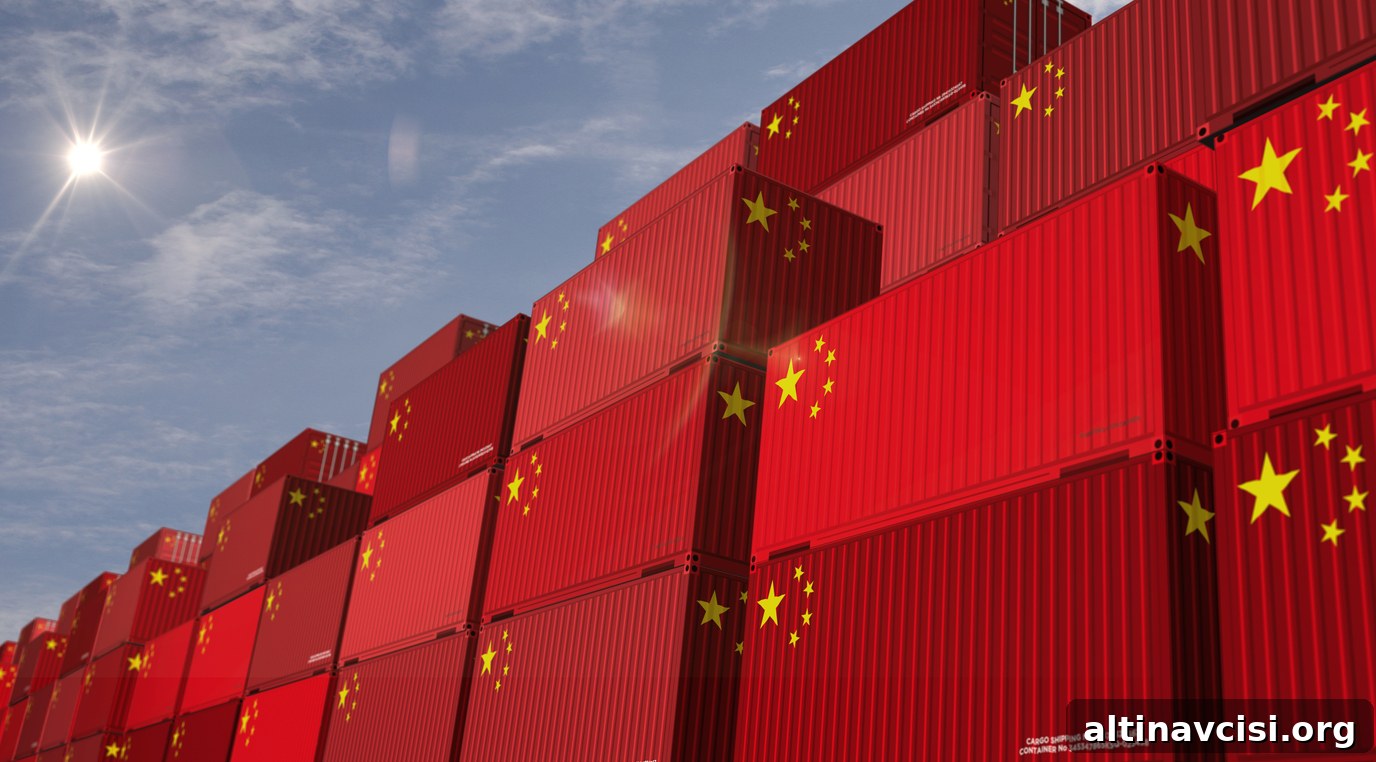
According to multiple reports, China has quietly granted exemptions for certain U.S. products from its steep 125% tariffs, a move aimed at easing trade frictions without making a formal public concession. These selective exemptions are being communicated confidentially to affected companies rather than announced broadly, suggesting a cautious, behind-the-scenes approach to managing bilateral trade tensions.
Targeted Relief for Pharmaceuticals and Technology Suppliers
Sources indicate that firms in the pharmaceutical and technology sectors are among those being privately notified about these exemptions. Examples cited in reporting include U.S. ethane used in chemical production and semiconductor components. By shielding specific supplies from the punitive duties, Chinese authorities appear to be addressing acute industrial needs that could otherwise disrupt domestic manufacturing or healthcare supply chains.
U.S. Administration’s Public Rhetoric and Private Flexibility
In the public arena, President Trump has defended the imposition of high tariffs — including a reportedly high 145% rate on some Chinese imports — arguing that China will absorb the added costs rather than passing them on to American consumers. Yet, in parallel with this firm public posture, the administration is reportedly exploring more gradual adjustments to tariff policy and is weighing the prospect of reviving trade talks. This dual track of strong rhetoric combined with private negotiation and limited concessions is characteristic of complex trade disputes where signaling and leverage both play roles.
Economic Impact: Shipments, Supply Chains, and Jobs
Analysts say the tariffs have had immediate and measurable effects on cross-border trade. Cargo shipments have fallen sharply — reported at about a 60% decline — and industry observers warn that persistent high tariffs could deepen supply shortages and threaten jobs in sectors that rely on imported inputs. Companies that depend on global supply chains, from electronics manufacturers to pharmaceutical producers, face higher input costs and logistical challenges that can translate into reduced output or layoffs if unresolved.
Automotive Relief and Industry Response
In a related development, the President has signed an order providing targeted tariff relief for automakers and parts suppliers after industry groups warned that existing trade measures were already squeezing sales and driving up prices. This step reflects the administration’s willingness to carve out exceptions for sectors judged to be particularly vulnerable or strategically important, reinforcing the pattern of selective, tactical relief amid broader protectionist policies.
What This Means Going Forward
The combination of private exemptions, public toughness, and targeted relief measures suggests a complex, evolving approach to U.S.-China trade policy. For businesses, the opaque nature of exemptions creates uncertainty: while some suppliers may see immediate cost relief, others could remain exposed to high duties. For policymakers and markets, these developments underscore the balancing act between applying pressure through tariffs and avoiding unintended harm to domestic industries and consumers.
Observers note that the quiet exemption process could be a precursor to broader negotiations or a mechanism to prevent acute disruptions while talks continue. However, as long as tariff levels and enforcement remain unpredictable, companies that import or export between the U.S. and China will likely need to maintain contingency plans, monitor policy shifts closely, and communicate with trade advisors to manage the shifting landscape.
Popular Topics
Picked from the archive
-
01
 Topics
Reuters Poll: Gold Set to Extend Rally Through 2026
-
02
Topics
Gold’s 30% Post-Election Rally Consolidates as ETF Flows Slow
-
03
Topics
Kevin O’Leary Rejects Wall Street’s 2025 Recession Forecast
-
04
Topics
Zambia Readies Local Content Rules as Copper Output Surges 30%
-
05
Topics
Goldman Analyst: China’s Pre-Holiday Selloff Sends Gold Tumbling
-
06
Topics
Asian Gold Prices Split: India Discounts, China Premiums
-
07
Topics
India Proposes Targeted Zero-Tariff Offer to Speed US Trade Deal
-
08
Topics
China Opens New Hong Kong Gold Vault to Boost Trading