Precious Metals Investing: How It Works and Why It Matters
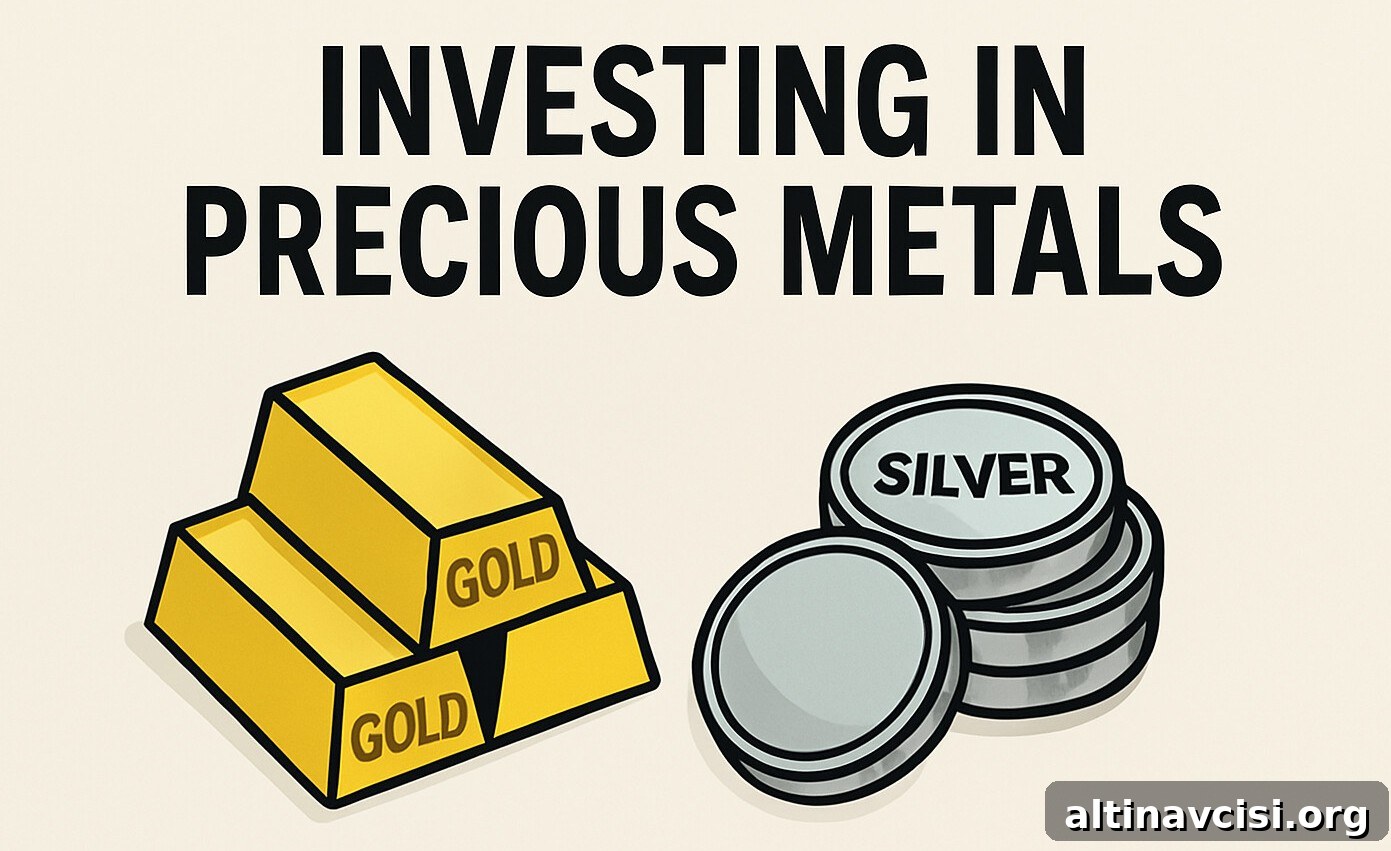
In an age of market swings and currency uncertainty, precious metals remain one of the most durable investment approaches. This article explains how gold, silver, platinum and palladium work as investments, and why they may deserve a place in a diversified portfolio.
For thousands of years gold and silver have been used to store value. Today, with inflationary concerns and intermittent market turbulence, many investors are revisiting precious metals as a way to preserve purchasing power and reduce overall portfolio risk. Whether you are saving for retirement or seeking stability during economic cycles, understanding how precious metals behave will help you make more informed choices.
Why Invest in Precious Metals?
Quick Facts:
- Gold has historically outpaced inflation over long periods, adding real value to many portfolios.
- Industrial demand for silver, particularly from renewable energy technologies, is an important driver of future consumption.
- Central banks have been active buyers of gold in recent years, supporting long-term demand.
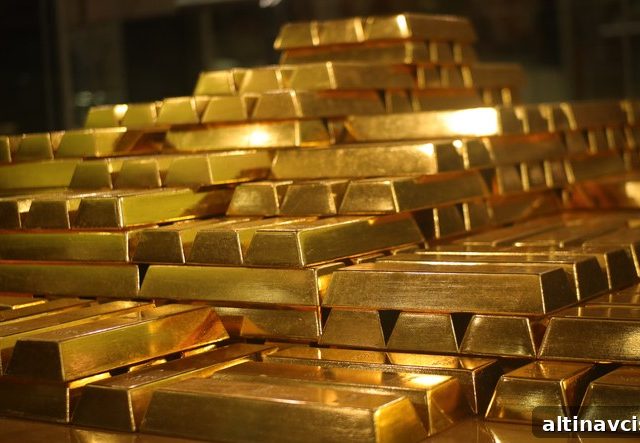
Investing in precious metals goes beyond collecting coins. It means holding tangible assets whose value does not depend on a single company or government balance sheet. When you own physical gold or silver you hold items that are globally recognized, easy to store and liquid in most markets. Key investor benefits include:
- Real, tangible assets you can hold and, if desired, take into custody yourself.
- Universal value that is recognized across countries and cultures.
- Protection against currency depreciation and certain systemic financial risks.
The Core Benefits of Investing in Gold and Silver
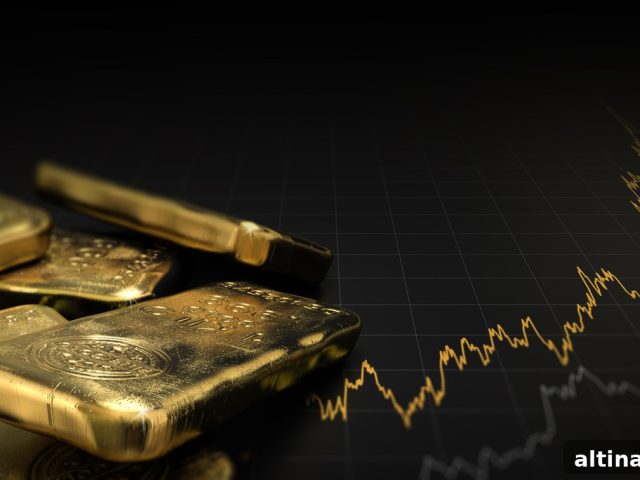
- Inflation hedge: Over long stretches, precious metals can preserve purchasing power better than cash. Historically, gold has tended to gain when fiat currencies weaken, and many investors use it as a hedge against prolonged inflationary trends.
- Portfolio diversification: Gold and silver often behave differently from stocks and bonds. During periods when equities correct sharply, precious metals have at times provided negative correlation or less volatility, helping to smooth overall returns.
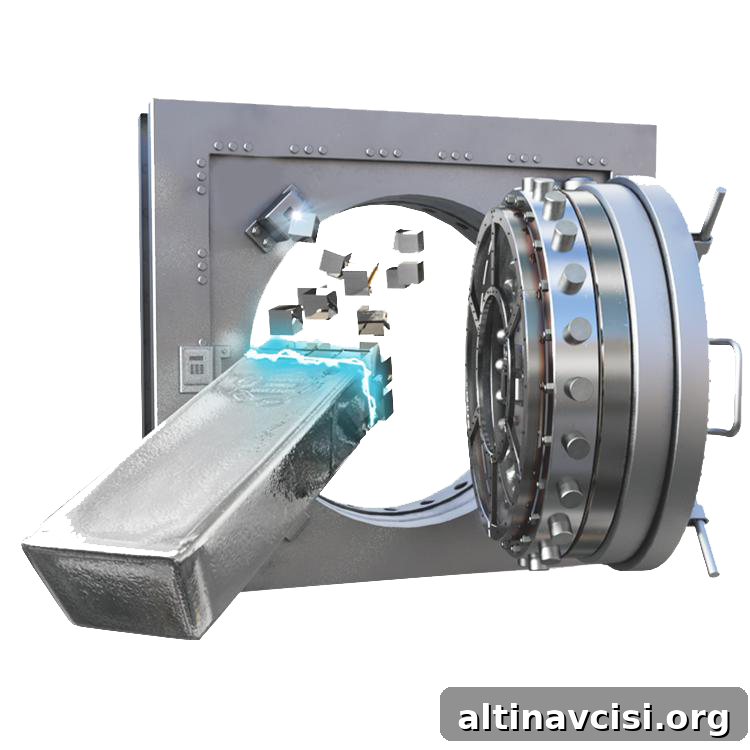
- Physical crisis insurance: Unlike purely digital assets, physical bullion cannot be erased by a cyberattack or corporate collapse. Physical metals provide a form of insurance against extreme market events.
- No counterparty risk: Physical coins and bars do not rely on a counterparty to honor a contract; their intrinsic metal content carries value on its own.
Wait — Free Guide Available
Access a concise, practical guide to get started with precious metals investing.
Request the guide from a reputable source.
Understanding Each Metal’s Investment Profile
Gold: The Foundation
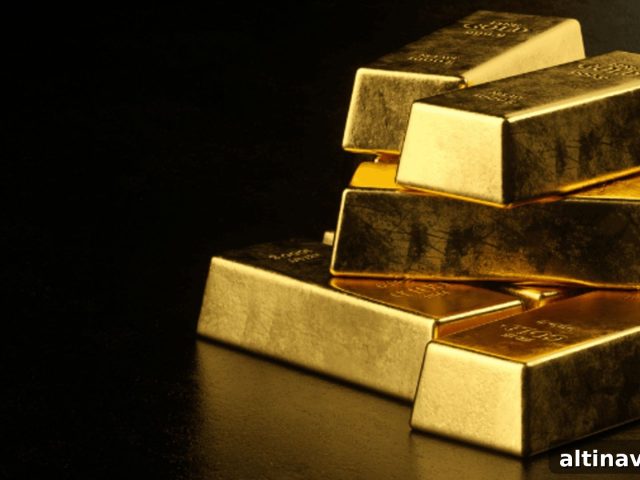
Gold is the most recognized precious metal for investors. It offers high liquidity, global acceptance and a long history as a store of value. Gold demand is supported by central bank reserves, jewelry and investor demand, which together help maintain its role as a core portfolio holding for wealth preservation.
Silver: Industrial Use Meets Investment Demand
Silver plays a dual role as both an industrial metal and a monetary asset. Its industrial uses—especially in electronics and renewable energy technologies—add structural demand that can support price appreciation. Silver tends to be more volatile than gold, which can mean higher potential returns but also greater short-term swings.
Invest Now
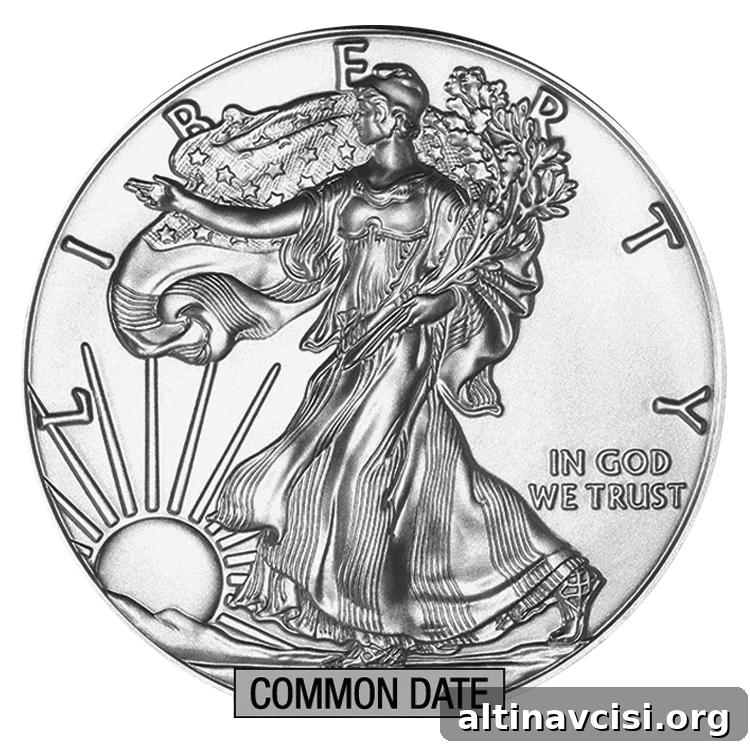
Invest Now
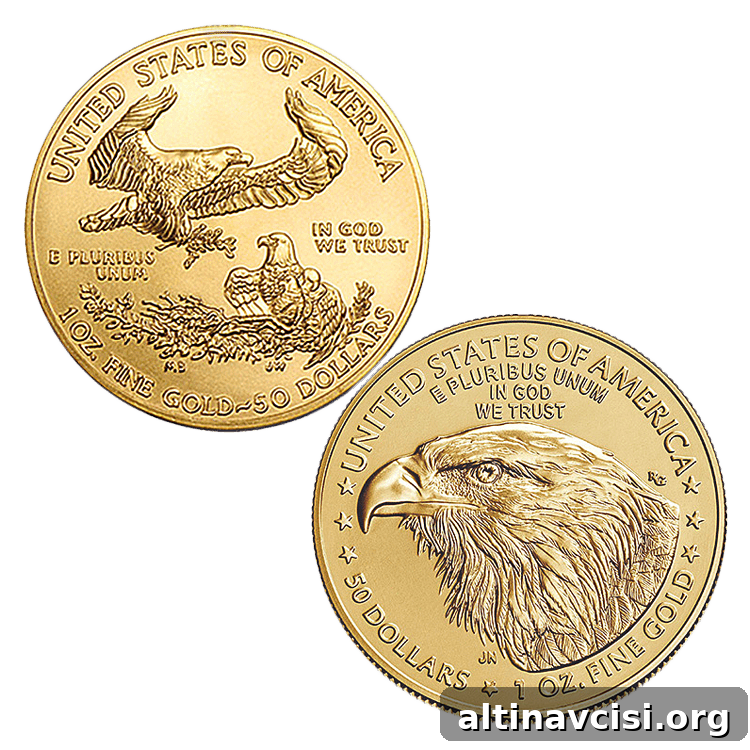
Invest Now
Platinum and Palladium
Platinum and palladium are used heavily in certain industrial applications, most notably in automotive catalytic converters. They can serve as strategic investments, but their prices are more closely tied to specific industrial demand cycles. The shift toward electric vehicles and changing emissions standards will influence their markets in different ways.
Getting Started with Your Precious Metals Journey
If you decide precious metals should be part of your plan, follow a clear, practical approach to get started.
Step 1: Define your allocation
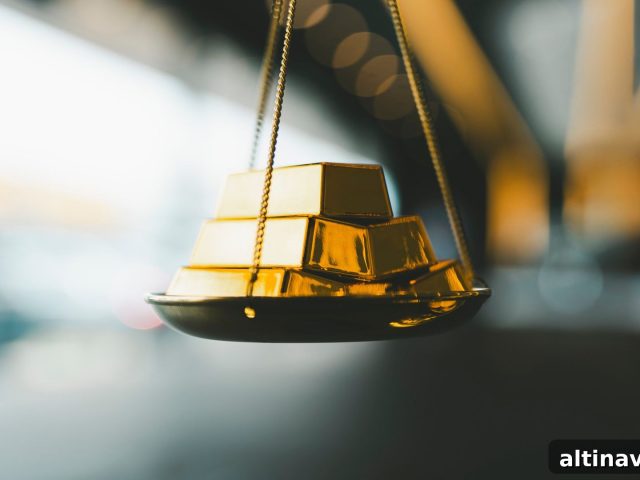
Many advisors suggest allocating a modest portion of a diversified portfolio to precious metals—commonly between 5% and 10%. Conservative investors may start at the lower end, while those expecting higher economic uncertainty sometimes increase exposure. Choose an allocation that matches your goals and risk tolerance.
Step 2: Choose how you will invest
- Physical ownership: Coins and bars you store personally or through secure custody services.
- Exchange-traded funds (ETFs): Paper exposure that tracks metal prices without direct storage.
- Mining stocks: Equity exposure to companies that produce metals, which introduces operational and equity-market risks.
Step 3: Start small and scale
Begin with a small purchase to learn the market and dealer processes. Regular purchases over time—dollar-cost averaging—can reduce timing risk and build position steadily.
Step 4: Work with reputable dealers
Choose dealers who provide transparent pricing, documented provenance, secure shipping and clear buyback policies. Proper paperwork and secure custody are essential when holding physical metals.
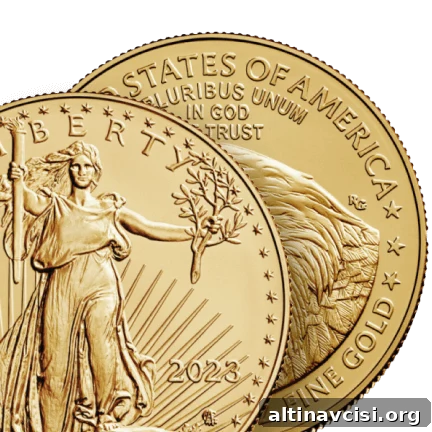
Investing in Physical Metals Made Accessible
There are established services that let you buy, store and take delivery of physical metals with flexible custody options—allowing you to control how you hold your assets.
Open an Account
Begin with clear objectives, a realistic allocation and a plan for storage or custody. Use small, recurring purchases to build exposure over time and periodically review how metals fit within your broader financial plan.
Conclusion: Making Precious Metals Work for You
Precious metals are straightforward: tangible assets with a long record of being accepted across cultures. They are not a get-rich-quick scheme, but they have preserved wealth through difficult economic episodes. Their enduring utility—combined with modern industrial demand for metals like silver, platinum and palladium—means they can still play a meaningful role in a diversified portfolio.
Ready to explore precious metals? Consider starting with education and small, deliberate purchases. Seek transparent pricing and proven custody solutions, and align any purchase with your overall financial strategy and risk tolerance.
Get Gold & Silver Insights
Subscribe for expert analysis, market updates and timely insights to help you make informed decisions about precious metals.
Disclaimer: This article is for informational purposes only and is not investment advice. Precious metals can be volatile and past performance is not a guarantee of future results. Conduct your own research or consult a qualified advisor before making investment decisions.
Popular Topics
Picked from the archive
-
01
 Topics
Gold Eyes Largest Weekly Gain in a Month Amid US Fiscal Fears
-
02
Topics
Central Banks Keep Buying Gold Despite Price Drop
-
03
Topics
Goldman Sachs Sees Gold Rally Reaching $4,500 on Tail Risk
-
04
Topics
US and China Reach Framework Agreement on Trade in London Talks
-
05
Topics
Trump’s Fed Attacks Raise European Alarm Over $245B US Gold
-
06
Topics
U.S. Service Sector Shrinks Amid Trade War Uncertainty
-
07
Topics
Kevin O’Leary Rejects Wall Street’s 2025 Recession Forecast
-
08
Topics
Citi Warns Gold Could Drop 20% by 2026