Key Takeaways
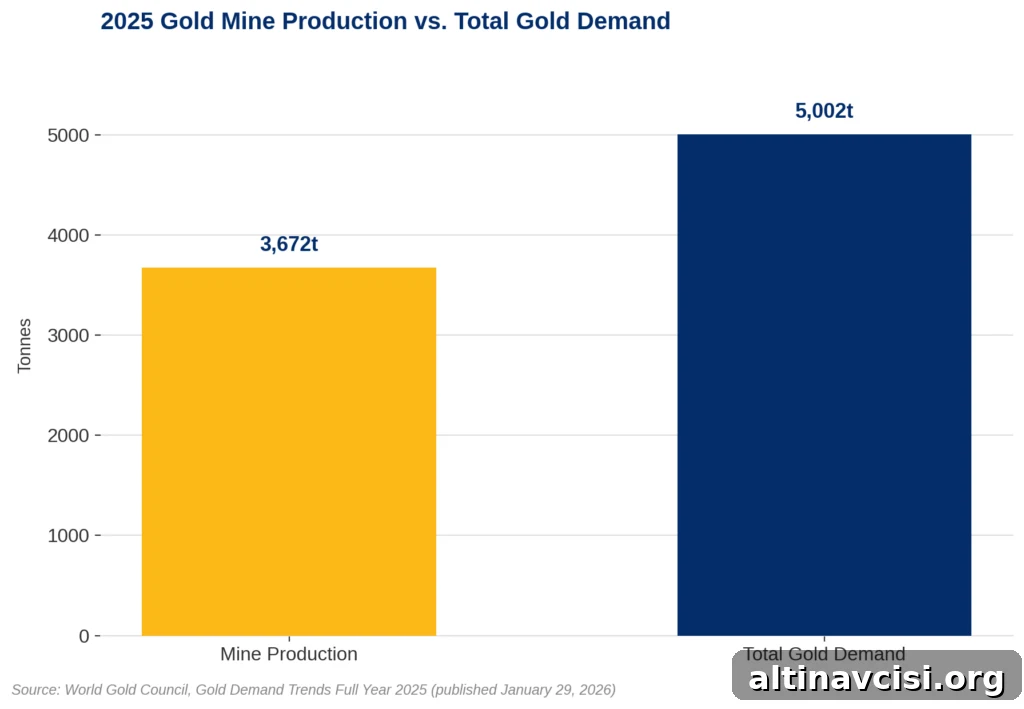
- Global gold demand exceeded 5,000 tonnes in 2025 for the first time, while total supply reached 5,002 tonnes. Mine production supplied just 3,672 tonnes [World Gold Council].
- Mine production has grown at under 1% annually on average for a decade. The gold price rose sharply in 2025, but miners cannot quickly increase output to match fast-moving demand [World Gold Council].
- The industry confirmed no genuinely new major gold discovery in 2023–2024, the first back-to-back blank stretch on record [S&P Global]. Major producers’ reserves have been affected by divestments as well as depletion [Newmont].
- The average all-in sustaining cost rose to $1,605 per ounce in 2025, up about 9% year over year. A new discovery today typically takes roughly 16 years to reach production [World Gold Council / S&P Global].
- Recycled gold and above-ground stocks currently bridge most of the shortfall between mine output and market demand. That dynamic underpins the structural case for holding physical metal rather than purely paper claims.
Peak gold describes a point when global mine production stops expanding in line with demand. The annual quantity of metal extracted can no longer keep pace with purchases by investors, central banks, jewelers, and industrial users. For anyone holding or considering gold or silver, this matters: a market that relies heavily on recycled coins and jewelry behaves differently from one with a rapidly expandable mine supply.
In 2025 total demand exceeded 5,000 tonnes for the first time, yet mine production grew only marginally to a record 3,672 tonnes. That gap has increasingly been filled by recycled gold and above-ground stock. Average annual growth in mine output has been below 1% for a decade, even as production costs climbed and the price of gold surged.
Why Is Gold Demand Outpacing Mine Supply Right Now?
Strong investment demand and central-bank purchases drove total demand in 2025. ETFs, bars and coins, and sustained central-bank buying together pushed demand sharply higher. Mine production, however, changed very little. The mismatch between quickly rising demand and an essentially plateaued mine supply is the core of the peak gold thesis: when demand surges by hundreds of tonnes in one year while mine output can only tick up by single-digit tonnes, the market must draw on existing metal or allow price to adjust.
What Does “Peak Gold” Actually Mean?
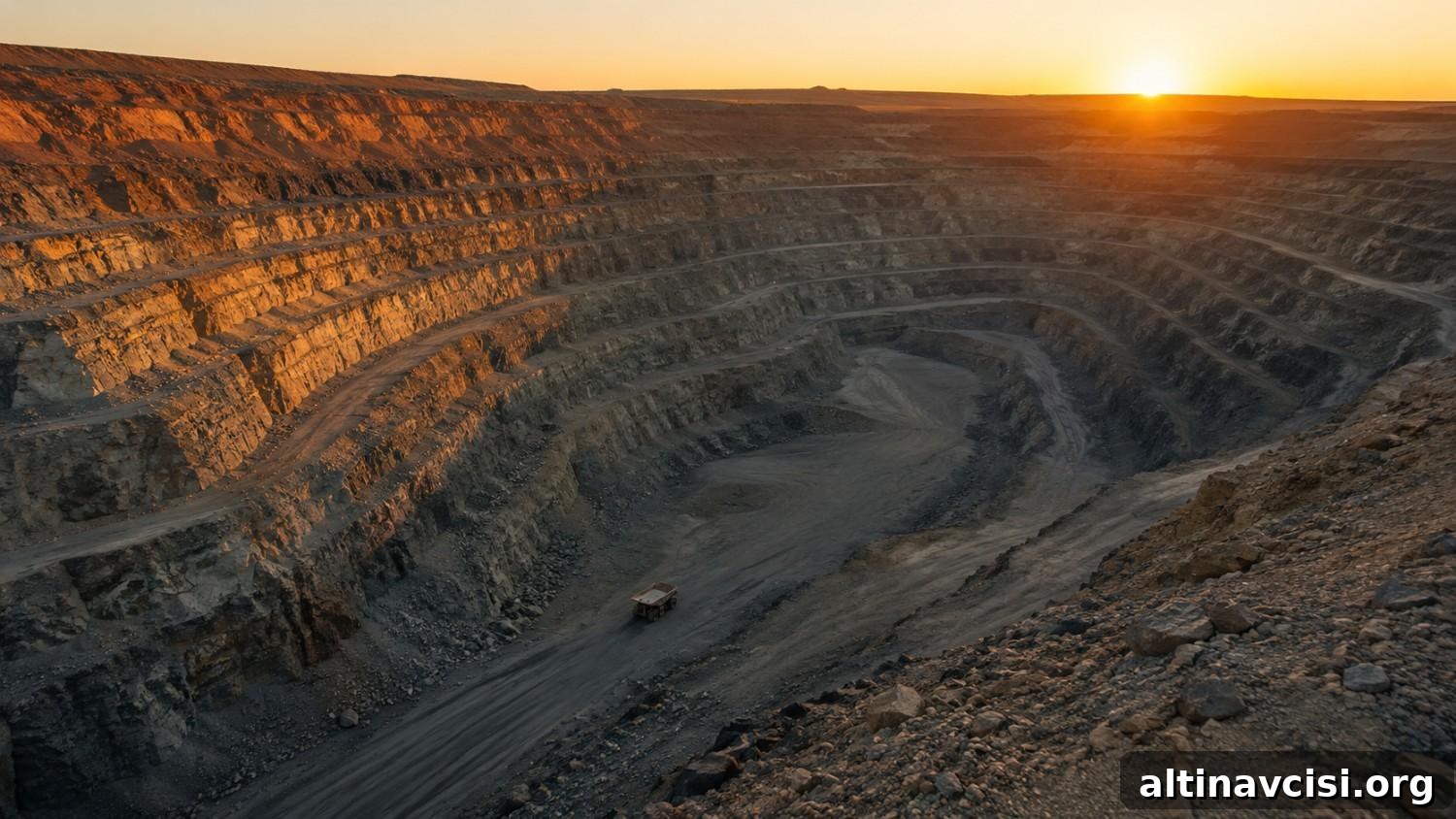
Peak gold does not mean the planet has run out of gold. It means the mining sector cannot expand annual production rapidly anymore. In many commodity markets, a large price increase attracts new supply quickly. Gold is different: ore grades have fallen over time, so miners must move and process much more rock to recover each ounce. Lower grades and tougher geology raise costs and slow production growth regardless of how high the price goes.
Why Haven’t Miners Found More Gold?
Major new discoveries have been scarce. Industry databases show a drought in large deposits in recent years, and exploration dollars have shifted away from risky grassroots programs toward lower-risk expansion of known deposits. That strategy produces safer near-term returns but does little to expand total reserves. Exploration budgets that favor proven targets over the high-risk search for new deposits help explain why discoveries have lagged.
The Newmont Case Study
Newmont’s reported reserves illustrate the trend. Reported mineral reserves fell from one period to the next partly because the company divested several mines. Mining depleted a significant amount, and exploration converted only a small fraction of what was mined back into reserves. Some reserve increases reflected the higher gold price making known resources economical, not new discovered ounces. In short, replacing mined ounces through exploration has been slow.
How Long Does It Take to Bring a New Gold Mine Into Production?
A typical timeline from discovery to first production runs roughly 15–18 years once permitting, feasibility studies, financing, and construction are included. That means discoveries made today will not materially ease supply constraints for more than a decade. Because of that lag, many producers choose to acquire other companies’ reserves rather than wait for new finds to be developed.
What Happens to Gold Supply If Grades and Discoveries Keep Falling?
Known identified reserves amount to several decades of production at current rates, but conversion from resource to reserve depends on capital, permitting, and technology. Higher prices can convert more rock into economically viable reserves, and new technology can unlock deposits, but both require time and investment. Meanwhile, industry-wide costs have risen: all-in sustaining costs climbed meaningfully, reflecting lower grades, higher capital spending, and elevated royalties tied to higher prices. Price incentives alone do not instantly create ounces.
The Part of This Story Most Coverage Skips
Much coverage treats supply and demand as separate narratives. In reality, 2025 showed supply hardly budging while investment demand surged. When demand can double or rise dramatically in a short period while mine output barely grows, price becomes the primary mechanism to restore balance. In 2025 roughly 27% of supply came from recycled gold — coins, jewelry, and bars moving back into market channels — and recycling responses were muted even as prices climbed, indicating many owners prefer to hold rather than sell.
What Peak Gold Means for Gold and Silver Investors
In normal commodity cycles, higher prices trigger more production. For gold, geological constraints mean supply responds slowly. That changes the risk profile of different ways to own the metal. Physical bars and allocated storage represent specific ounces you can hold, while futures, unallocated accounts, and some ETFs are claims on pooled metal. When the physical market is tight and owners are reluctant to sell, claims on pooled metal can feel more fragile. Understanding the distinction between physical ownership and paper claims becomes important for risk management.
The Knowledge That Changes Everything

Two essential guides — free. Learn why gold matters and why fiat currencies face long-term pressure.
Stay On Top of Gold & Silver Prices
Get important market alerts sent to your inbox.
People Also Ask
What is peak gold?
Peak gold is when annual mine production plateaus and can no longer expand to match rising demand. It reflects a limit on how fast the industry can increase output, driven by falling ore grades and a slowdown in major discoveries, rather than a literal exhaustion of the metal.
Is gold actually running out?
No. Identified reserves and above-ground stocks still represent a very large quantity of gold. The constraint is the pace at which new supply can be economically extracted and brought to market, which has slowed due to geological and logistical factors.
How is peak gold different from peak oil?
Both refer to production plateaus, but gold responds far more slowly to price signals. Oil projects can sometimes be accelerated within months; new gold mines typically take more than a decade from discovery to production. That slower response makes gold supply less elastic to price moves.
Why don’t higher gold prices lead to more mine supply?
Higher prices improve project economics, but they do not change geology. Lower ore grades mean more rock must be processed for the same ounce, raising costs. Higher prices can also increase royalties and capital expenditures, so rising prices do not instantly produce more physical supply.
What fills the gap between gold demand and mine supply?
The gap is filled mainly by recycled gold and above-ground stock changing hands. In periods of tight mine supply and strong demand, recycled metal becomes the marginal source of supply. When holders choose to retain their gold, the marginal supply tightens further.
Does peak gold mean I should buy physical gold instead of paper gold?
That depends on your objectives and risk tolerance. Physical metal offers direct ownership of specific ounces, while paper instruments are claims on pooled metal. In a constrained physical market the difference can matter, so consider liquidity, storage, and counterparty risk when choosing how to allocate.
Will gold mine production ever grow again?
Production may grow over the long term if exploration and investment yield new discoveries and existing resources are converted to reserves, but this is a slow process. Even with higher budgets for exploration, a typical timeline means meaningful new supply from today’s discoveries would not appear for many years.
SOURCES
World Gold Council — Gold demand and supply data; S&P Global Market Intelligence — discovery and exploration trends; Newmont Corporation — reserve reporting; USGS and industry research on ore grades and reserves; market price sources for gold and silver.
Disclaimer: This article is for informational purposes only and does not constitute financial or investment advice. Always consult a qualified financial adviser before making investment decisions.
You May Also Like:
- How Is Gold Taxed When You Sell It? The 28% Collectibles Rule Explained
- Most Gold Storage Isn’t Allocated. How to Check Yours.
- Garner Calls a $3,600 Floor. Is Gold Going Lower?
- Why Is Gold So Expensive? The 5 Mechanisms Behind the Price
- Gold vs. Savings Account: Which One Is Actually Beating Inflation Right Now?
- Seigniorage: The Hidden Tax on Every Dollar You Hold
- Gold Has a 0% Risk Weight and an 85% Funding Penalty. Banks Are Finally Asking Why.