Israel-Iran Strikes Trigger Market Turmoil as Oil Tops $73
U.S. Treasury Yields Edge Higher as Israel-Iran Tensions Lift Oil and Inflation Concerns
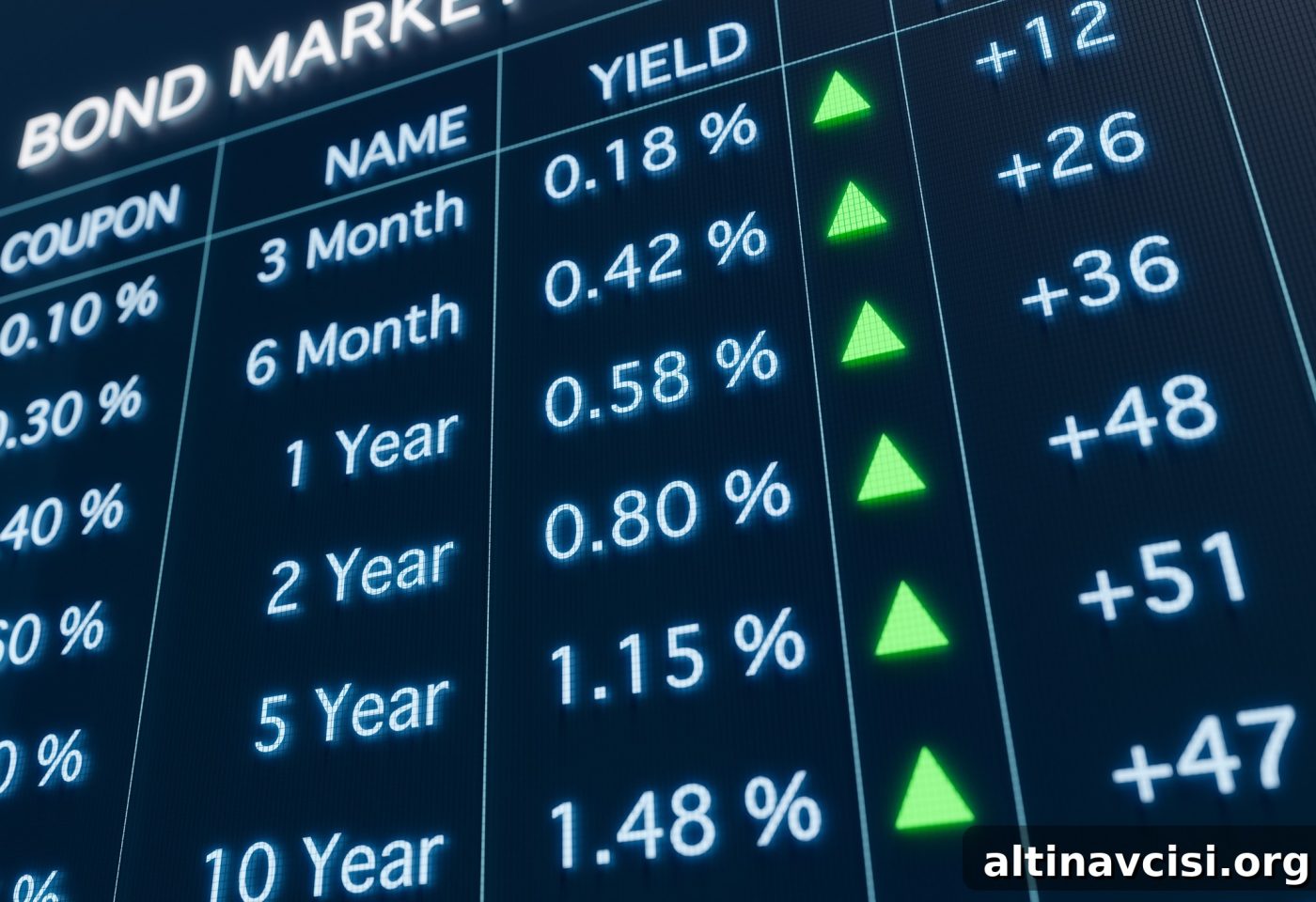
U.S. Treasury yields rose modestly on Monday as financial markets reacted to heightened tensions between Israel and Iran. The yield on the benchmark 10-year Treasury climbed to 4.43%, while the 2-year Treasury yield reached 3.969%. These moves reflected a mix of geopolitical risk, changes in investor risk appetite, and renewed focus on inflation ahead of this week’s Federal Reserve meeting.
Geopolitical Developments and Market Reaction
Markets were responding to reports of strikes and confrontations between Israel and Iranian targets, alongside an attack on Iran’s South Pars gas field. Such developments tend to influence global energy markets and risk sentiment, prompting investors to reassess holdings across asset classes. In this case, the immediate market reaction included a rise in oil prices and a slight uptick in Treasury yields.
Oil Prices and Inflation Outlook
Benchmark West Texas Intermediate (WTI) crude rose about 0.7% to $73.50 per barrel following the reports, as concerns about potential supply disruptions or escalation in the region prompted buying in the energy complex. Higher oil prices are a direct input to consumer energy costs and can feed into broader inflation measures, which in turn affects expectations for monetary policy.
With oil on the rise, investors have become more attentive to inflation dynamics. Even a modest increase in energy prices can influence headline inflation readings and expectations, especially when the market is already closely watching central bank communications. That added inflation sensitivity helped drive the modest movement in Treasury yields.
What Treasury Yields Signify
Treasury yields move for several reasons, including changing expectations for inflation, shifts in economic growth forecasts, and alterations in demand for safe-haven assets. The 10-year yield often reflects longer-term growth and inflation expectations, while the 2-year yield is more sensitive to near-term interest rate expectations and Federal Reserve policy. The recent rise in both maturities suggests an adjustment in market pricing that accounts for both higher near-term uncertainty and increased inflation risk from energy price pressures.
Fed Meeting Focus
Investors are also preparing for the Federal Reserve meeting this week, where the central bank’s policy stance and any forward guidance will be examined closely. Current market expectations are that the Fed will leave interest rates unchanged at this meeting. Nevertheless, comments from Fed officials and the accompanying policy statement will be scrutinized for clues about the timing and direction of future policy moves, particularly if inflation signals strengthen.
Implications for Investors
In the short term, geopolitical developments can lead to increased volatility across fixed income, equities, and commodities. For bond investors, a small rise in yields translates into price adjustments that can affect total returns, particularly for portfolios concentrated in intermediate and long-duration securities. For equity investors, higher oil prices and greater uncertainty can influence sector performance, benefiting energy-related stocks while weighing on sectors sensitive to higher input prices.
Longer-term implications depend on how sustained any rise in oil prices is and whether those pressures materially change inflation expectations. If energy-driven inflation proves transitory, central banks may maintain their current stance. If higher energy costs persist and broaden into wage and core inflation measures, policy makers could face increased pressure to respond, which would in turn influence yields and broader market conditions.
Bottom Line
The modest increase in U.S. Treasury yields on Monday came amid growing geopolitical tensions between Israel and Iran and a concurrent rise in oil prices. These developments have revived short-term inflation concerns just as markets await the Federal Reserve’s upcoming policy meeting. Investors will likely remain attentive to both geopolitical headlines and Fed communications as they reassess risk, inflation expectations, and positioning across financial markets.
Popular Topics
Picked from the archive
-
01
 Topics
Gold Price Tops $3,350 on Tariff Fears, Ukraine Tensions
-
02
Topics
Gold Gains as Dollar Slips Despite US China Tariff Truce
-
03
Topics
Kevin O’Leary Rejects Wall Street’s 2025 Recession Forecast
-
04
Topics
Dollar Surges After Strong Jobs Report, Fed Rate Cut Delayed
-
05
Topics
Analysts Still Bullish on Gold After Recent Pullback
-
06
Topics
Treasury Yields Slip Ahead of U.S.-China Summit in London
-
07
Topics
Gold Rises as Investors Await Inflation Data and Trade Talks
-
08
Topics
Why HSBC Says Market Bears Are Wrong About Stocks