Key Takeaways
- Central banks are accelerating a long-term move from overseas custody at the New York Federal Reserve and the Bank of England to domestic vault storage, driven by a structural reassessment of sovereign custody risk rather than short-term price speculation.
- The 2022 freeze of roughly $300 billion in Russian reserves crystallised the political risk of holding assets in foreign custody: that lesson is being priced by reserve managers worldwide.
- Large-scale recent moves include France transferring 129 tonnes from New York to Paris between July 2025 and January 2026 and India repatriating more than 168 tonnes in FY26, driving a substantial decline in overseas holdings for some nations.
For most of the 20th century, the obvious choice for central banks with significant gold reserves was to store the bulk of those reserves in New York or London. Those cities offered deep trading infrastructure, reliable custody, and strong connectivity to global markets. The Federal Reserve Bank of New York and the Bank of England effectively became the world’s principal gold vaults.
That long-standing arrangement is now being quietly but decisively rethought.
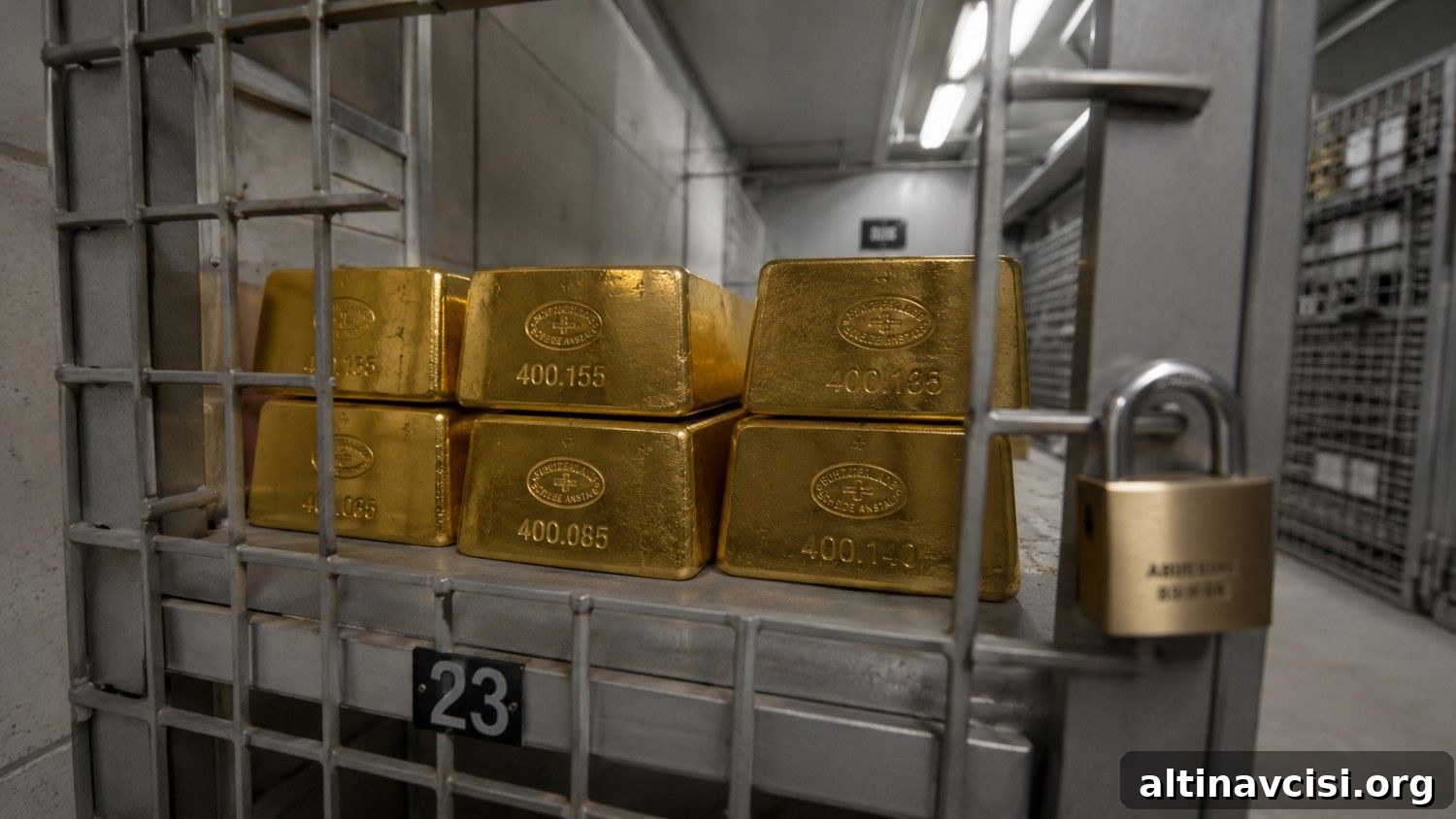
Central banks from France and India to Serbia are relocating physical gold from traditional overseas hubs into domestic vaults. This shift is deliberate, data-driven, and accelerating. The core rationale is simple: gold physically stored in a domestic vault is not subject to being frozen by foreign executive orders. The February 2022 freeze of Russian assets demonstrated that political interventions can render foreign-held reserves inaccessible, prompting a global reassessment of custody risk.
The mechanism behind this trend is the same reason gold has long been valued as a monetary asset: it provides a non-sovereign store of wealth that can reduce counterparty and jurisdictional exposure. That logic matters for anyone holding physical metal, not just central banks.
What Is Central Bank Gold Repatriation?
Gold repatriation occurs when a government or central bank moves its gold reserves from foreign custody back to domestic storage. For decades after World War II, two locations — the New York Fed and the Bank of England — held a disproportionate share of global sovereign gold. They were selected for practical reasons: high security standards, established audit procedures, and proximity to the global trading infrastructure.
Storing reserves overseas was once standard operating procedure. Repatriation reverses that logic by prioritising sovereign control over custodial convenience. Increasingly, reserve managers are deciding that the trade-off is justified: a domestically stored asset offers stronger protection against foreign political actions.
The Knowledge That Changes Everything

Two essential guides — free. Learn why gold matters and why fiat currencies face recurring instability.
Why Are Central Banks Bringing Gold Home Now?
What Changed After Russia’s Reserves Were Frozen in 2022?
The immediate catalyst for the recent wave of repatriation was the February 2022 freeze of Russian sovereign assets after the invasion of Ukraine. That action highlighted how foreign custody can leave reserves vulnerable during geopolitical crises. The frozen holdings consisted mostly of dollar- and euro-denominated instruments; gold held inside Russia was unaffected. The clear lesson for reserve managers was that physical gold stored domestically cannot be frozen by foreign executive decisions.
Central banks worldwide internalised this lesson quickly. The 2022 sanctions showed that assets held in foreign custody carry political risk that had not been fully priced by markets or rating agencies. That risk is now being accounted for incrementally as reserves are repatriated.
Is This a Geopolitical Reaction or a Deeper Structural Shift?
While geopolitical tensions are a major driver, the change is more structural. Repatriation reduces counterparty and jurisdictional risk while preserving liquidity, thanks to improvements in European and domestic bullion infrastructure. Central banks are not merely moving existing metal; many are increasing purchases and opting to store a larger share domestically as they expand reserves. Surveys and recent purchase data show a clear, multi-year trajectory toward domestic storage and greater diversification of vault locations.
Which Countries Are Repatriating Gold in 2025 and 2026?
How Did France Move 129 Tonnes Without Crossing the Atlantic?
France’s operation between July 2025 and January 2026 is a key example. The Banque de France removed 129 tonnes from the New York Fed without physically shipping bars across the ocean: it sold older-format gold in New York and repurchased modern London Good Delivery bars in Paris. The result was a full domestic consolidation of reserves and a significant accounting gain recorded during the process.
Why Is India Repatriating So Much Gold So Quickly?
India’s repatriation has been among the largest and most deliberate. The Reserve Bank of India cut overseas holdings sharply between 2023 and 2026, returning large quantities previously held at the Bank of England and other foreign custodians. Motivations include reducing custody fees, cutting jurisdictional risk, and increasing the central bank’s ability to support domestic gold market liquidity for investment products like ETFs.
What Other Nations Are Part of This Trend?
Emerging markets led the recent wave: Poland, Turkey, Nigeria, and Serbia have repatriated substantial gold holdings. Early movers such as Germany, the Netherlands, and Austria set operational precedents. Germany still stores a considerable portion of its reserves abroad, and public debate there reflects growing political appetite for repatriation even where operational trust in foreign custody remains.
What Does the 2026 World Gold Council Survey Tell Us?
The World Gold Council’s 2026 central bank survey recorded record participation and highlighted continuing diversification of storage locations. While the Bank of England remains a leading overseas vault, domestic storage uptake rose meaningfully year-on-year. The survey found growing willingness among central banks to treat gold as an active strategic allocation amid geopolitical uncertainty, with most respondents expecting reserve increases in the coming year.
How Does Central Bank Gold Repatriation Affect Gold Prices?
Does Repatriation Drive Gold Prices Higher?
Repatriation itself is a relocation, not a source of new demand. However, it is often paired with sustained purchases by central banks that increase total institutional demand. Central bank buying has been elevated in recent years, absorbing a significant portion of annual mine supply and becoming a structural tailwind for prices. Major banks and private institutions have revised price forecasts upward in response to rising official-sector demand and diversification away from dollar assets.
What Does This Mean for Individual Gold Investors?
Is the Logic the Same for Individuals?
Yes. The same principle applies whether you hold ten ounces or ten thousand: owning a claim on gold stored in a foreign, unallocated pool is not identical to owning allocated, physical metal registered in your name. Central banks are emphasising quality of custody as much as quantity. For private investors, that means seeking allocated, segregated storage with clear title to specific bars and considering jurisdictional diversification to reduce political risk.
Why Allocated Storage Matters
Allocated storage identifies specific bars by serial number and registers them to the owner, so the custodian holds the metal as bailee, not owner. Unallocated storage records an accounting claim against a pooled holding; the custodian owns the physical bars. In stressed political or legal circumstances, allocated holdings offer far stronger protection. This custody distinction is the same structural change central banks are implementing as they repatriate.
Stay On Top of Gold & Silver Prices
Get important market alerts sent straight to your inbox.
People Also Ask
How Much Gold Does the New York Fed Hold?
The Federal Reserve Bank of New York stores thousands of tonnes of foreign-owned gold in its Manhattan vault. As holdings have been repatriated over decades, the total has declined from historic peaks, but the New York vault still houses a significant portion of sovereign metal on behalf of foreign central banks.
Has Gold Repatriation Happened Before?
Yes. Repatriation has been ongoing for decades: since the early 1970s central banks have moved thousands of tonnes back to domestic vaults. What differs now is the scale, pace, and explicit political rationale driving recent programmes.
Why Not Keep Gold in Switzerland?
Switzerland has been a traditional neutral custodian, but no jurisdiction is entirely immune to global political pressure. Recent enforcement cooperation during sanctions has shown that political risk exists even in longstanding neutral centres. The operational success of repatriation programmes in several European countries demonstrated that domestic storage can be achieved without compromising security or liquidity.
Will Repatriation Make Gold More Expensive to Buy?
Repatriation itself redistributes existing stock; it does not directly change mine supply. However, repatriation often coincides with elevated central bank purchases, and sustained official-sector demand represents a structural upward pressure on prices over time.
The Sovereignty Principle
Central banks are not moving gold because they foresee imminent financial collapse. They are moving it because they value the quality of ownership. A legal, allocated claim to specific bars in a jurisdiction chosen by the holder is fundamentally different from a ledger entry representing pooled exposure. The 2022 events made that legal and geopolitical distinction unmistakable.
Where You Need To Take Away From It All
Large institutional balance sheets reacted to the 2022 lessons by realigning custody practices. Individual savers who reach the same conclusion can apply the same principle: hold physical gold in allocated, segregated vault storage under a jurisdiction you trust to avoid counterparty freeze or dilution. That approach preserves gold’s core monetary utility: a non-sovereign store of value outside the formal monetary printing process.
SOURCES
Selected summaries drawn from industry research and public central bank disclosures, including surveys and market analysis by recognised organisations, financial press coverage of repatriation operations, and central bank statements on storage and custody strategy.
Disclaimer: This article is for informational purposes only and does not constitute financial or investment advice. Consult a qualified financial adviser before making investment decisions.
You May Also Like:
- How To Perform Silver Technical Analysis (in 5 Steps)
- Who Controls the Gold Market? Meet the Five Banks That Settle Every Ounce
- How the Jobs Report Moves Gold and Silver: The Five-Step Chain Behind Every Move
- What Is Profit Booking in Gold and Silver? The Mechanism Explained
- Gold Technical Analysis: A Complete Investor’s Guide
- The Anatomy of a Premium: Why Gold and Silver Never Trade at Spot
- Peak Gold: Why Can’t Gold Mine Supply Keep Up With Demand?