Gold Slides as Oil Rally Boosts Fed Rate Hike Odds
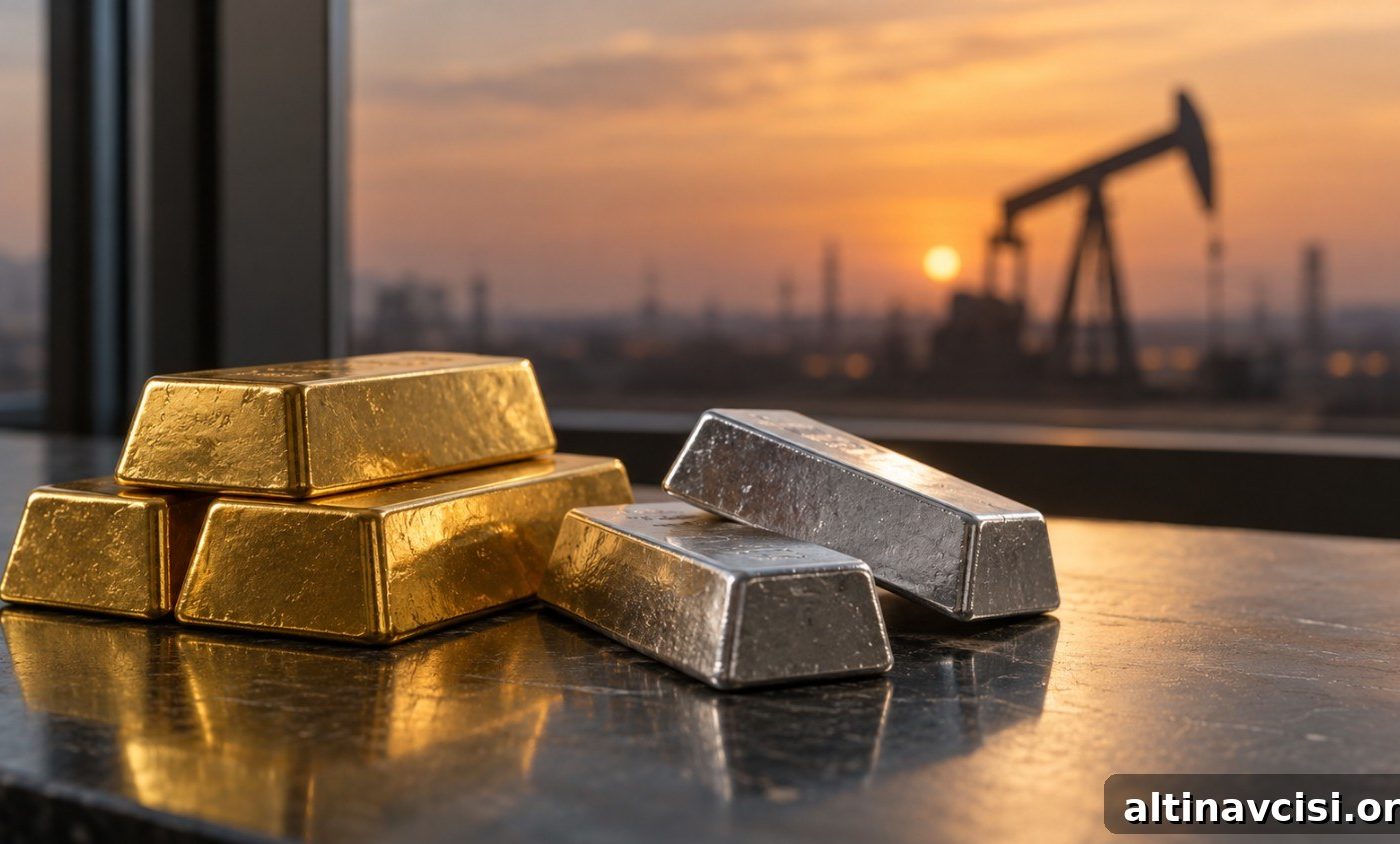
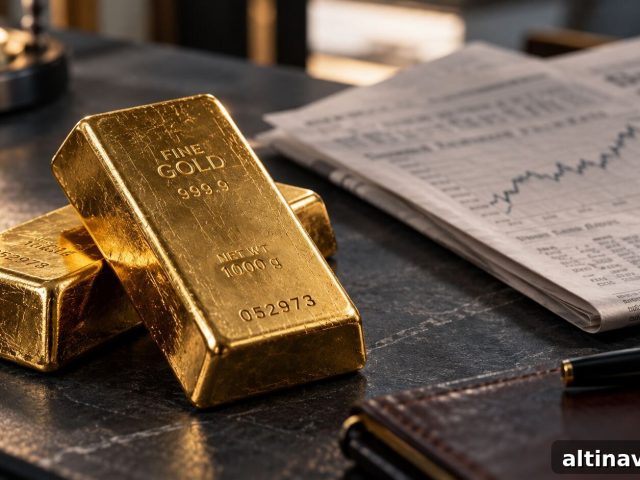
Gold slipped to $4,059.78 per ounce this morning, down nearly 2% from the opening price. Silver fell more sharply, dropping almost 5% to $55.11. There was no new Federal Reserve announcement—the Fed is in its quiet period ahead of the October 27–28 meeting—so the move was driven by another market: oil. Tracing that chain of influence helps a long-term precious metals owner decide how much today’s price action matters and how much of it is simply short-term noise.
Why Did Gold Fall Below $4,100 Today?
Oil prices have stayed elevated this week amid renewed concerns about supply disruptions linked to developments in the Gulf region. Higher crude prices feed into inflation expectations. When inflation expectations rise, so do the odds that the Fed will keep interest rates higher for longer or even raise them further. Because gold is a non‑yielding asset, higher rates increase the opportunity cost of holding it, and that pressure can prompt selling.
Put simply: an oil-driven rise in inflation expectations feeds higher rate expectations, and higher expected rates tend to push down gold and silver prices in the short term. This is a rates story with a geopolitical trigger today; it does not alter the debt, currency, or central‑bank buying dynamics that have supported metals over the longer term.
Market tools that track Fed expectations currently point to a modest probability of an October rate hike and much higher odds for December. Meanwhile, the climb in oil so far this year has already shifted how much oil one ounce of gold can buy; today’s price action extends that trend rather than reversing it.
The Edge Every Investor Needs
Smarter precious metals investing starts here. The Nuggets newsletter shares market insights, Fed updates, global themes, and concise educational content to help you make better long‑term decisions.
Why Is Silver Falling Faster Than Gold?
The gold‑to‑silver ratio rose from about 71 yesterday to roughly 74 today, meaning it now requires nearly 74 ounces of silver to buy one ounce of gold. Silver typically exhibits larger percentage swings than gold in both directions. There are two main reasons for that behavior:
- Market size and liquidity: Silver’s market is smaller and less liquid, so the same flows produce larger price moves.
- Industrial demand sensitivity: A substantial portion of silver demand comes from industry and manufacturing. Industrial buyers react to growth concerns sooner than investors who buy precious metals for portfolio diversification or inflation hedging.
When a rate‑sensitive selloff occurs, silver usually suffers the larger percentage decline. That pattern reflects market structure and demand composition rather than a breakdown in silver’s role within a diversified portfolio.
What Changes at Next Week’s Fed Meeting?
A single Fed meeting can influence short‑term price moves by confirming or adjusting market bets on future rate moves, but it cannot reverse long‑term structural trends. The upcoming October meeting may either validate this week’s shift in rate expectations or temper it, and metals markets will likely react. However, broader forces that drive demand for physical gold and silver—persistent fiscal deficits, currency debasement concerns, and central‑bank accumulation—are long‑running and not undone by a single statement or rate decision.
What Should a Long-Term Owner Take From This?
If you hold precious metals as a multi‑year position, today’s drop is largely short‑term noise. The causal chain is straightforward: oil prices rose, which lifted inflation concerns, which increased rate‑hike odds, which pushed down non‑yielding assets. None of those steps change the core reasons people allocate to physical metals: protection against currency erosion, diversification from financial counterparty risk, and long‑term store‑of‑value considerations.
A practical approach for long‑term owners is to confirm that your original investment thesis remains intact. If it does, avoid reacting to intraday or single‑week volatility. That same advice applied the last time a surprise data print moved both metals: don’t chase the dip and don’t panic sell a long‑term holding based on one market event. Reduce screen time until major policy decisions or meaningful macro data arrive; short‑term price swings are often driven by transient triggers, while structural drivers change slowly.
SOURCES
1. TradingKey — Gold Falls Below $4,100, Risks Dropping to $4,000 as High Oil Prices Reinforce Expectations of High Fed Rates (Oct 22, 2026).
2. Anadolu Agency — Gold Falls Below $4,100 Per Ounce Amid Rising Oil Prices (Oct 22, 2026).
3. The Nation — Gold Falls Below $4,100, Silver Drops 3.6% as Higher Oil Prices Fuel Inflation Concerns (Oct 22, 2026).
4. Invezz — Gold Price Cracks $4,100 as a 90% December Fed Hike Bet Puts $4,000 in Danger (Oct 22, 2026).
5. Federal Reserve Bank of St. Louis (FRED) — 10‑Year Treasury Constant Maturity Rate (DGS10) (Oct 20, 2026).
6. Federal Reserve Bank of St. Louis (FRED) — 10‑Year Treasury Inflation‑Indexed Security, Real Yield (DFII10) (Oct 20, 2026).
Disclaimer: This article is for informational purposes only and does not constitute investment advice. Past performance is not indicative of future results. Always consult a qualified financial advisor before making investment decisions.
You May Also Like:
- Gold Priced in Oil: 38 Barrels an Ounce vs. 67 a Year Ago
- Social Security’s 3.6% Raise Arrives Late by Design
- How Gold’s Correction Impacted Portfolios
- Central Bank Gold Buying: Why 39 Tonnes Matters
- Investors Turn to Treasuries as AI Stocks Slide
- London Gold Vault Holdings Rose 3.78% in Q3. What Changed?
- Gold Rebounds Above $4,130: What Changed for Owners?
- How 3.7% Inflation Impacts Wealth Preservation
- Gold and Silver Dip on a Hot CPI Report
- Currency Swing Erases Gold’s Brief Dip
Popular Topics
Picked from the archive
-
01
 Topics
Gold Surges Past $4,130: What It Means for Investors
-
02
Topics
Why Gold Rallyed Despite Lower Jobless Claims: 4 Key Signals
-
03
Topics
U.S. Sanctions Target Iran’s Gold Sector, Prices Slide
-
04
Topics
Fed Printed 7 Trillion: Why Money Velocity Is Rising
-
05
Topics
Gold Market Split: Short-Term Sellers vs Long-Term Buyers
-
06
Topics
Gold Drops 19%: $3.8B Investor Bet Says It Won’t Matter
-
07
Topics
300 Billion Lesson: What Frozen Reserves Revealed About Gold
-
08
Topics
Which Gold Coins and Bars Are IRA Eligible