
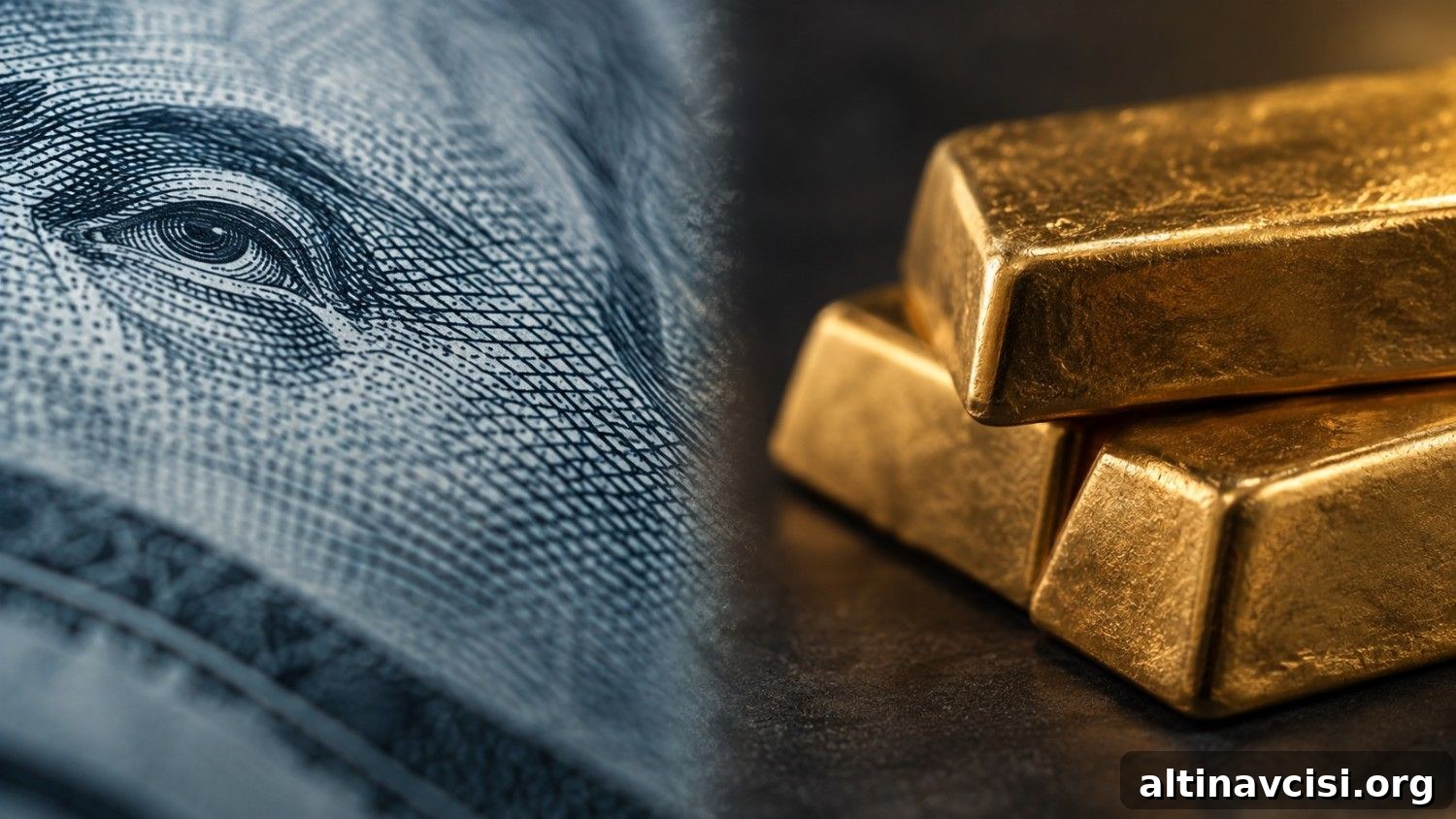
Gold traded near $4,283 an ounce on Wednesday, September 23, 2026, slipping about 1.7% on the day. Silver fell more sharply, down roughly 3.6% to about $64.64. Despite those moves, there has been no clear decline in demand data this month. The US Dollar Index sits just under 101, its strongest level since July 30, and the Federal Reserve continues to signal the possibility of additional rate hikes. Both factors raise the opportunity cost of holding non-yielding metals. Still, investor interest remains, creating a tension between what determines today’s price and what drives long-term ownership. Right now, those two forces point in different directions.
What Is Actually Pushing Gold and Silver Lower Today?
A firmer US dollar is the primary driver. The Dollar Index is trading just under 101, its highest level since late July, after beginning September near 99. Because bullion is priced in dollars, a stronger currency raises the effective price for buyers using other currencies and reduces demand at the margin. That dynamic often pushes precious metals lower when the dollar strengthens.
Silver absorbed the bigger hit this session, dropping about 3.6% versus gold’s 1.7% decline. That ratio reflects silver’s dual role: it is both an industrial metal and a monetary asset. When macroeconomic sentiment shifts—especially around the dollar or interest rates—silver tends to react more sharply, widening the gold-to-silver ratio. On this day the ratio moved higher, illustrating silver’s greater sensitivity to the macro backdrop.
The Edge Every Investor Needs
Smarter precious metals investing starts here. The Nuggets Newsletter brings essential market insights, central bank updates, global trends, educational videos, and timely analysis.
Why Is the Federal Reserve Still Signaling More Rate Hikes?
Policymakers believe inflation is not yet fully under control. On September 16, 2026, the Federal Open Market Committee raised its target rate range by 25 basis points to 3.75%–4.00%, the first rate hike since July 2023. More important than the hike itself were the updated projections released with it: the majority of voting participants indicated they expect at least one additional increase this year. Several Fed officials have since reiterated support for further tightening, or at least left the option open. Because gold does not yield interest, higher expected risk-free rates make holding bullion relatively more expensive compared with yield-bearing assets.
Is the Inflation Shock Behind Those Hikes Already Fading?
There are signs that the energy-driven portion of inflation is retreating. West Texas Intermediate crude oil settled at $90.52 on Tuesday, September 22, 2026, down from $105.83 a week earlier—a roughly 14.5% drop across several straight lower closes. Several developments helped push oil lower: Saudi Arabia began restarting a major pipeline, diplomatic talks at the United Nations General Assembly reduced regional tensions, and Iranian officials signaled a potential reopening of the Strait of Hormuz under certain conditions. Because energy costs were a significant factor in this year’s inflation rise, easing oil prices reduce immediate pressure on headline inflation and weaken the case for aggressive additional tightening.
Why Are Investors Buying Gold ETFs While Real Yields Hit 20-Year Highs?
The recent rise in long-term real yields might be interpreted by many investors as a signal of fiscal stress rather than a straightforward opportunity to earn higher returns. The 10-year real yield reached levels around 2.68% in mid-September 2026, while nominal 10-year yields printed roughly 5.0% on some trading days. Traditional theory argues that rising real rates increase the opportunity cost of holding gold and should weigh on prices. Yet in practice, gold-backed exchange-traded fund holdings climbed to multi-month highs and global holdings rose to record levels in August, driven by significant inflows. That pattern shows investor demand for gold can increase even as yields rise, suggesting demand drivers such as portfolio diversification, fiscal concerns, and safe-haven flows can offset pure opportunity-cost effects.
What Could Move the Dollar Before This Week Ends?
Two events could move the currency and, in turn, precious metals: US flash PMI readings and a high-level diplomatic meeting. Flash PMI surveys for September are due midweek and track business activity in manufacturing and services. Strong PMI prints would support another Fed hike and lift the dollar; weak prints would have the opposite effect. The meeting between President Donald Trump and President Xi Jinping also follows, and traders often reduce exposure ahead of major geopolitical or diplomatic events. Ahead of both data points, market participants have kept positions relatively light, which helps explain why gold has drifted rather than sparked large bargain-hunting flows. For investors, the near-term price risks for bullion are concentrated in currency and rates markets rather than in changes to physical supply or fundamental demand.
Stay On Top of Gold & Silver Prices
Get important market alerts sent straight to your inbox.
SOURCES
1. Federal Reserve — FOMC Statement, September 16, 2026
2. Federal Reserve — Summary of Economic Projections, September 16, 2026
3. FRED, Federal Reserve Bank of St. Louis — 10-Year Treasury Inflation-Indexed Security Yield
4. FRED, Federal Reserve Bank of St. Louis — 10-Year Treasury Constant Maturity Rate
5. Saxo Bank — Analysis of gold and real yields, September 2026
6. World Gold Council — Global gold-backed ETF holdings and flows
7. S&P Global — Flash US Composite PMI release calendar
8. FXStreet — Coverage of dollar and gold moves, September 2026
9. FXStreet — Commentary on PMI data and market reaction
Disclaimer: This article is for informational purposes only and does not constitute investment advice. Past performance is not indicative of future results. Always consult a qualified financial advisor before making investment decisions.
You May Also Like:
- Xi Lands in Washington. Gold and Silver Both Retreat, and Silver Falls Harder.
- UBS Holds Its Silver Target. The Market Already Got There First.
- China Imported 1,000+ Tonnes of Gold in Eight Months. Its Central Bank Bought Only 80.
- Fed Officials Turn Hawkish. Gold’s Iran-Diplomacy Bounce Can’t Hold.
- Bernstein Just Cut Its Gold Forecast — By Breaking Gold’s Oldest Rule to Defend It.
- The Fed Just Hiked. Wall Street Keeps Getting More Bullish on Gold Anyway.
- Gold Dips, Silver Holds as Iran Diplomacy Hopes Sink Oil Before a Bigger Week.
- Silver Round-Tripped a 6.8% Shock in Nine Days. Real Yields Did It, Not Inflation.